The Story
Why it exists.
The beginning
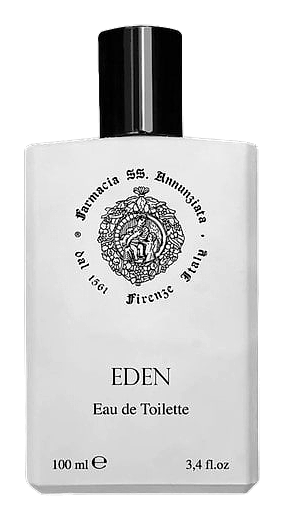
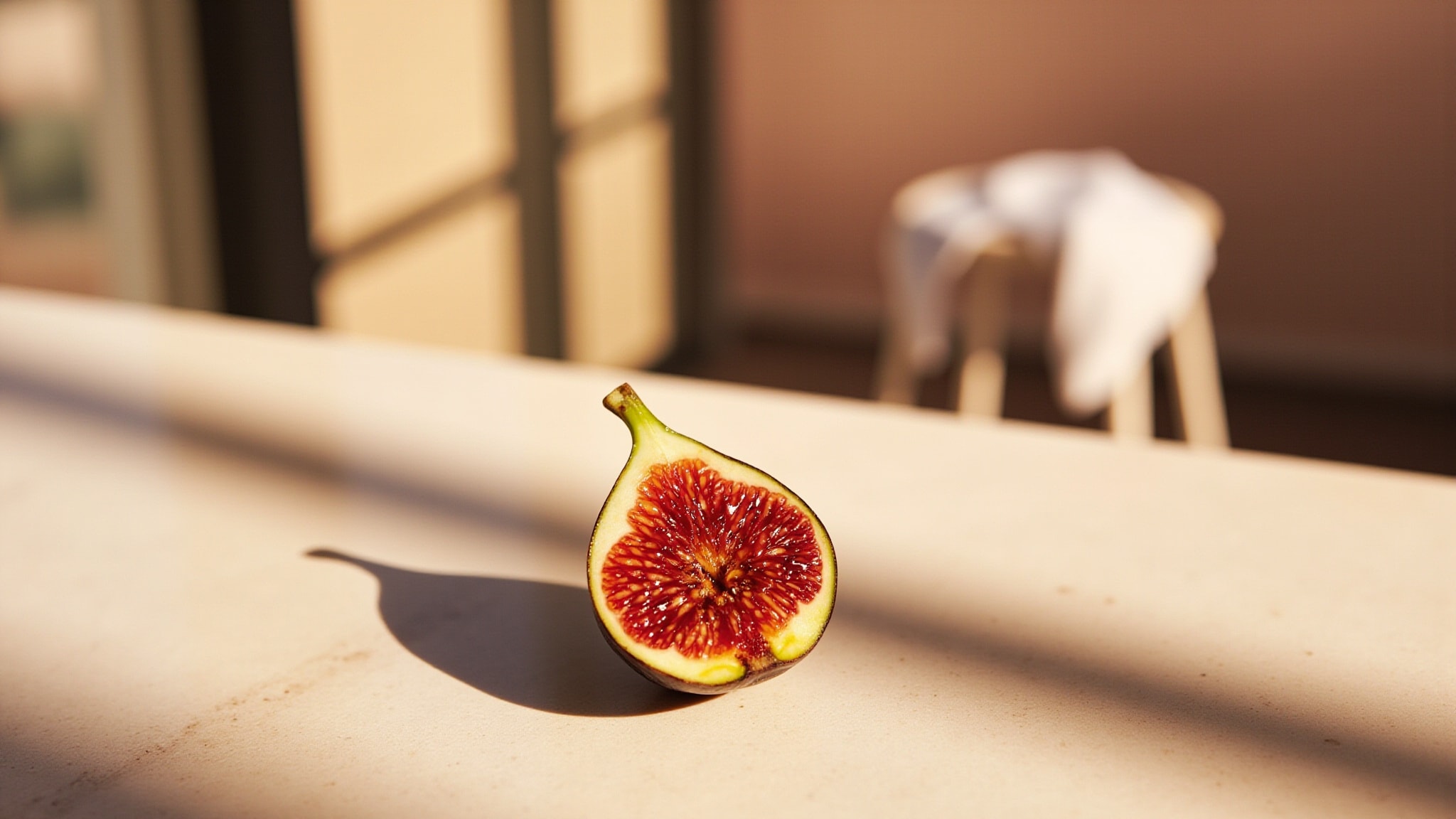
Eden arrived in 2017 as Farmacia SS. Annunziata explored the fig tree in full. The house has worked with botanicals since 1561. The fig tree offered something unexpected: not the fruit, not the leaf, but the whole organism. Its wood, its sap, its green presence. Grapefruit, pink pepper, and artemisia were added to balance the composition, bringing tartness and spice alongside the herbal qualities that give the fragrance its particular character. What emerges is something that feels both familiar and quietly surprising, the fig holding its own against the citrus and green notes rather than being overwhelmed by them.
Eden doesn't feel structured in the traditional way. There is no sharp contrast between top and bottom. Instead, fig arrives mid-sequence alongside magnolia and jasmine, threading through the floral heart and arriving at the base still intact. The composition moves without the usual boundaries, each phase connected to the one before it rather than replaced by what comes after.
The evolution
The opening announces grapefruit with real clarity: tart, bright, immediate. Pink pepper arrives alongside it, adding a faint prickle that gives the citrus a subtle spice. Artemisia contributes an herbal green note that grounds the whole opening in something slightly bitter, slightly medicinal. The combination is sharp and direct, immediately engaging. Then the florals take over. Magnolia blooms first, creamy and full, followed by jasmine's honeyed depth. The fig doesn't announce itself loudly, it slides in quietly, bringing a quality that softens the florals without sweetening them. By the end, the drydown is where Eden becomes something personal. Fig tree, musk, and cashmeran blend into the warmth of skin itself.
Cultural impact
Eden occupies an interesting position in the niche fragrance landscape, a 2017 release that presents fig in a continuous thread through the entire composition rather than appearing in one dramatic burst. The fragrance offers coherence: a composition where nothing jars, nothing overstays, and the fig note serves as connective tissue rather than a centerpiece. The result is a scent that doesn't feel structured in the traditional way, with no sharp contrast between top and bottom, each phase connected to the one before it rather than replaced by what comes after.