The Story
Why it exists.
The beginning
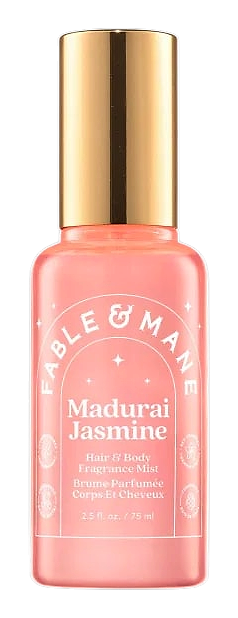
Fable & Mane named their 2026 release after a place. The scent comes from the source: the thick, almost honeyed jasmine sambac, threaded with red champaca. The brand built the composition around these two florals rather than using them as decoration, with the supporting woods and amber tuned to feel less like a perfume and more like warmth. The two flowers carry weight on their own, so the structure underneath matters: how the sandalwood cushions the white floral lift, how the amberwood keeps the sweetness from tipping cloying, how the cedarwood adds a dry spine that holds the whole thing upright. The orange oil in the top doesn't shout, it just brightens the entry enough to keep the jasmine from feeling suffocating.
What's interesting is the pairing. Jasmine sambac and red champaca are both dense, full-bodied florals with serious throw, the kind of ingredients that can easily take over if nothing pushes back. Putting them in the top and heart alongside a comparatively dry base of cedarwood, sandalwood, and amberwood keeps the volume in check. The tonka and vanilla add sweetness, but they sit low, buried under the wood rather than floating on top. The result reads more like a warm floral skin scent than a traditional soliflore, which feels deliberate.
The evolution
The first spray is bright and almost edible, orange oil lifting the jasmine sambac into something that smells layered and complex. The orange eventually recedes and the real weight arrives: jasmine sambac opening up, with red champaca adding a fuller, rounder presence beside it. Tuberose edges in shortly after, holding the heart together and giving the composition a creamy density that carries through the middle hours. The florals soften as the base takes over, cedarwood first, then sandalwood and amberwood building a warm wood tone underneath, with tonka and vanilla threading sweetness through the wood without making it syrupy. On skin the drydown sits close, lasting well into the evening before fading to a soft sandalwood-musk trace that lingers on fabric. The transition from floral to wood is gradual, and the fragrance never loses its warmth even as the louder notes step back.
Cultural impact
Jasmine has long been woven into daily life across India, appearing in garlands, hair adornments, religious offerings, and household fragrance traditions. The flower carries a significance that goes beyond scent, marking celebrations, ceremonies, and everyday acts of welcoming. Red champaca, also called champa, holds a similarly deep place in Indian culture, valued for its rich, complex fragrance and its use in temple offerings and traditional adornment.