The Story
Why it exists.
The beginning
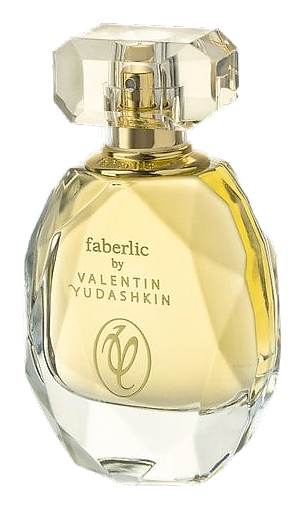
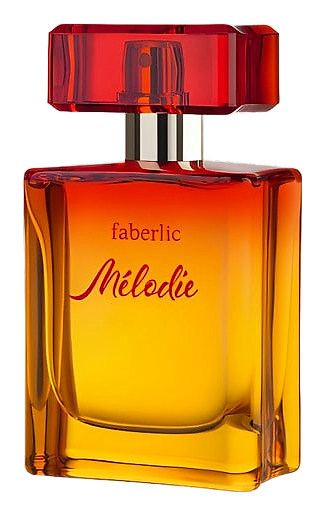
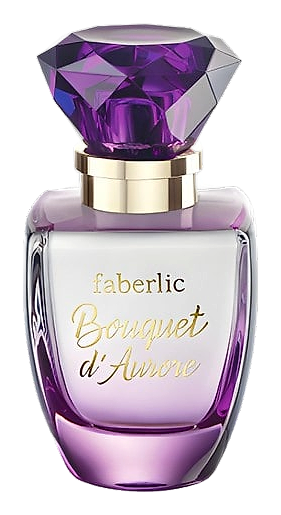
Bouquet d'Aurore arrived in 2017 from perfumer Thomas Fontaine, who named it for the bouquet of dawn itself, that brief, luminous window when light first touches a garden. The concept was simple: translate the freshness of a garden at first light into something wearable. Not a literal interpretation. Something with feeling. Fontaine worked with a fruit-floral structure, letting blackcurrant anchor the opening before stepping back to let jasmine and magnolia take over. The result is a fragrance that begins bright and resolves warm, morning becoming midday in scent form.
What makes this composition interesting is the marigold, present in the heart alongside jasmine and magnolia, adding a wilder, slightly herbaceous edge to what could otherwise read as a straightforward floral. Marigold isn't common in mainstream fruity-florals. It brings a bitter-green quality that cuts through the sweetness, giving the heart an unexpected complexity. Combined with blackcurrant's tartness in the top, the fragrance avoids the rounded, indistinct sweetness that often defines the category. It's fruity. It's floral. But something in the structure keeps it from disappearing into background noise.
The evolution
The opening hits immediately with blackcurrant, tart, almost sharp, nothing tentative about it. Grapefruit and lemon follow within seconds, lifting the sweetness before it can settle. For the first fifteen minutes, the composition reads as pure citrus-fruit: bright, awake, a little too energetic. Then the hand-off happens. Jasmine emerges slowly, joined by magnolia and marigold, which tempers the sweetness with a green, slightly wild edge. This is the heart, the longest phase, lasting several hours on skin. The floral layer doesn't shout but it holds the composition together, refusing to disappear. As the hours pass, the base takes over: ambergris adds a quiet animal warmth, cedar grounds everything with dry wood, and musk keeps it close to the skin. The drydown isn't dramatic, it simply settles, becoming intimate rather than loud. Moderate sillage means it's a fragrance you'll notice more than the room will. On fabric, it fades slower. Occasionally, a trace of musk and cedar survives until the next morning.
Cultural impact
Bouquet d'Aurore arrived in 2017 during a period of significant growth in the Russian fragrance market, when domestic brands were actively positioning themselves against international luxury houses. Faberlic, primarily known for direct sales, used this scent to signal broader ambitions in the beauty sector. The floral-fruity genre was already well-established globally by 2017, but Bouquet d'Aurore represented a specific Russian take on accessible Western-style luxury. The use of marigold as a heart note was somewhat unconventional for the category, reflecting a willingness to experiment within commercial constraints.