The Story
Why it exists.
The beginning
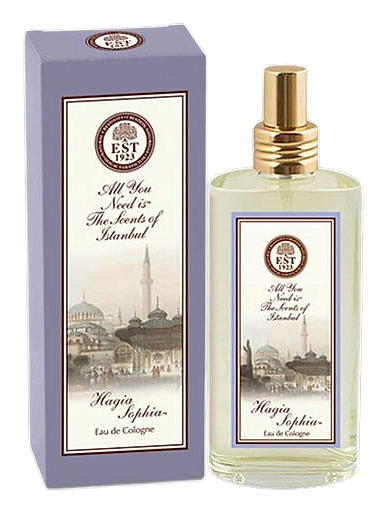
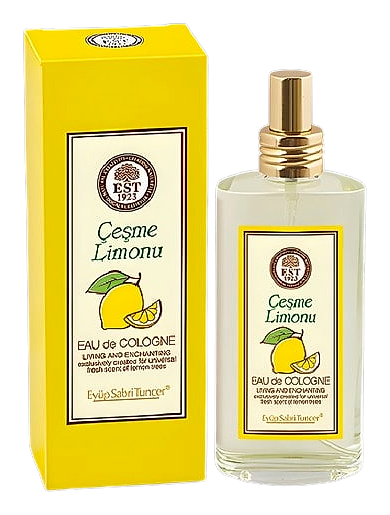
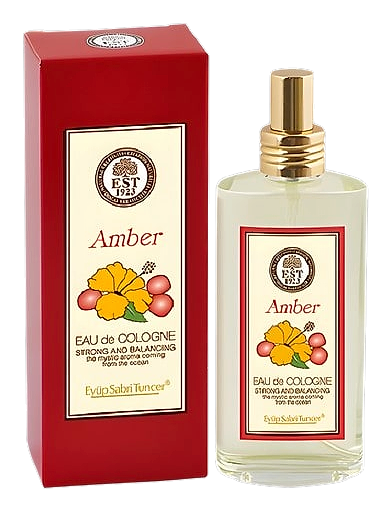
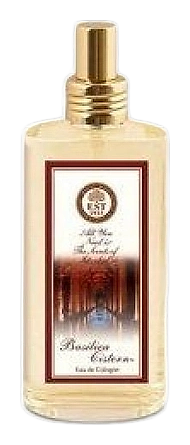
Eyüp Sabri Tuncer, established in 1923, has long served as a bridge between Turkey's aromatic heritage and contemporary fragrance design. The brand draws from Istanbul's olfactory landscape, translating the city's markets, gardens, and monuments into wearable form. Basilica Cistern continues this tradition, capturing the essence of one of Constantinople's most haunting engineering feats, the vast underground reservoir that kept the Byzantine city alive. The perfumer's task was to translate cool stone and still water into scent, and the result leans toward the cool, powdery stillness of a shaded subterranean space.
The note selection reflects a philosophy of restraint. Iris, with its powdery, orris-like character, carries an inherent sense of history and refinement. Lily of the valley adds innocence and freshness, a counterbalance to the heavier stone-inspired heart. Jasmine bridges the gap between these cool opening notes and the warm, creamy drydown, ensuring the fragrance never loses coherence. Sandalwood and vanilla ground the experience, while white musk provides longevity without loudness. This is a composition built for those who appreciate subtlety over sillage, and structure over spectacle.
The evolution
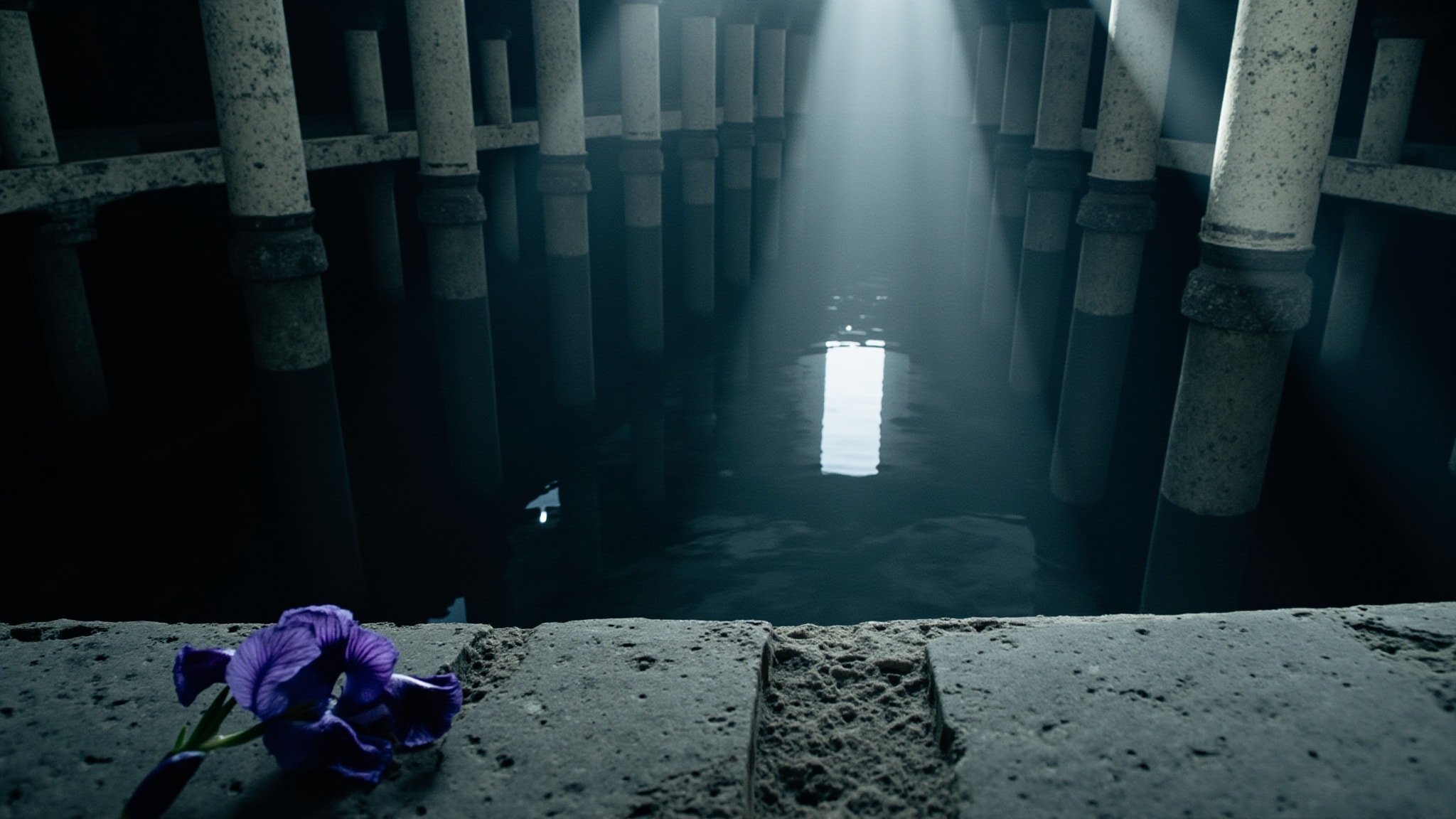
Wearing Basilica Cistern unfolds like descending a stone stairway into cool air. The iris and lily of the valley open the passage, bright yet hushed, as if light is filtering through shafts above. The jasmine heart arrives gradually, warming the air like torchlight in a vaulted chamber. Spicy notes flicker at the edges, a subtle presence that keeps the floral from feeling too delicate. By the time sandalwood and vanilla anchor the experience, the wearer has traveled fully into the cistern's depths, surrounded by a stillness that is both ancient and profoundly calm.
Cultural impact
The fragrance is part of the brand’s Istanbul landmark series, often mentioned alongside Hagia Sophia as a scent that captures architectural nostalgia. Wearers appreciate its ability to evoke quiet, reflective moments in historic spaces, making it a subtle favorite for cultural outings and museum visits.