The Story
Why it exists.
The beginning
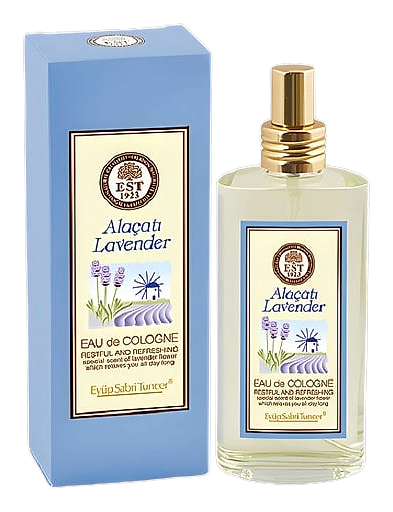
Alaçatı Lavender takes its name from Alaçatı, the town that gave this fragrance its sense of place. Eyüp Sabri Tuncer bottled that specific geography rather than lavender as a broad category. The Turkish house translates a note usually associated with Provence into something distinctly its own, leaning into an aromatic, almost herbal character rather than the cleaner, more cosmetic interpretation found elsewhere. There's a roughness here that comes from the way the lavender reads on skin: herbaceous, slightly camphoraceous, with the dry warmth that suggests rocky soil and relentless sun. The opening hits with brightness, almost a green shimmer, before settling into something quieter and more resinous.
What makes this composition distinctive is the layering. Lavender appears twice, bookending the structure. It's the opening statement and the heart's anchor, giving the fragrance a lavender-on-lavender architecture that reads more soliflore than the note list suggests. The heart pulls in mint, rosemary, thyme, and vermouth, a quartet that pushes the lavender toward an aperitif character, dry and botanical rather than sweet. Then the base grounds it with patchouli, amber, tonka, and musk, pulling the herbal sharpness down into something warmer and more skin-like. The result is lavender that goes from Mediterranean garden to evening exhale without ever crossing into the soapy or synthetic territory.
The evolution
The opening is unmistakable lavender, bright and herbal with a cool mint edge that arrives almost immediately. Rosemary and thyme push in within the first few minutes, turning the composition greener, more garden-like, with a quality reminiscent of stems crushed between fingers. There's a vermouth-like quality here, a botanical bitterness that keeps the lavender from going soft. Around the 30-minute mark, the herbs start to settle and the lavender softens, losing its sharp camphorous edge and gaining something rounder. The patchouli makes its presence known quietly, not as the dominant force but as a shadow underneath. By hour two, the composition has shifted. The drydown is where this fragrance earns its quiet reputation. Tonka and amber create a warmth that wasn't there at the start, and the musk pulls everything close to skin. What lingers past the four-hour mark is a soft, almost creamy lavender with a woody-amber base, intimate rather than projecting. On a sweater the next morning, it's there. Faint, warm, the ghost of a garden.
Cultural impact
This sits in an interesting space as a Turkish house's take on a note often associated with European perfumery. It reads as an honest interpretation that pulls away from the usual French lavender template, offering something drier and more herbal by comparison. The fragrance has a quality that feels rooted in place rather than trend, and it tends to attract wearers who want a cleaner, more aromatic version of lavender without the heavier structures often attached to the note.