The Story
Why it exists.
The beginning
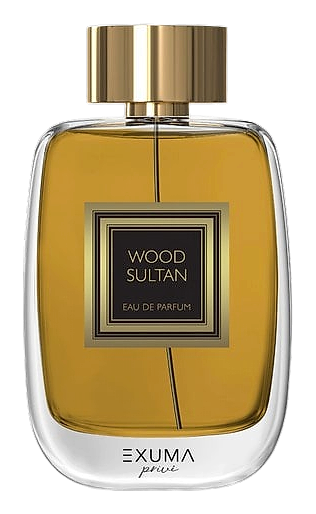
The name says it plainly. Sultan, a ruler of things that endure. Jordi Fernández built Wood Sultan in 2019 around that idea: woods that announce, woods that settle, woods that stay. The saffron cuts through like light through a window. Cedar opens sharp, then the heart delivers warmth and complexity through patchouli and sandalwood. There's a crispness to the opening that feels almost unexpected, the kind that makes you lean in closer. The cedar brings a dry, almost pencil-shaving quality that softens as the patchouli's earthy depth unfolds. Sandalwood rounds everything out with its creamy, slightly sweet woodiness, creating layers that reveal themselves slowly rather than all at once.
The interesting move here is the architecture. Wood Sultan gives cedar and saffron first, a bright, almost sharp opening that creates breathing room before the depth arrives. Then patchouli's earth meets sandalwood's cream, and the oud appears as a shadow underneath, not a statement. By the time amber and musk arrive, the fragrance has already earned its warmth. The transition between notes feels deliberate, each layer building on the last without rushing toward any single element.
The evolution
It opens sharp. Cedar and saffron arrive together, the wood cool, the spice bright as a struck match. This phase holds steady while the heart takes over: patchouli's earth and sandalwood's cream settling in, the oud beginning to show underneath. The drydown brings amber, musk, and agarwood fused into something warm and powdery at once. The projection shifts from moderate to intimate as the scent evolves, but it clings to the skin with persistence. On fabric, it remains detectable long after the initial application. On skin, the woody accord maps its territory throughout the wear, the amber and musk lending their warmth as the hours pass. Come morning, a ghost of it may remain, mostly musk, mostly warmth.
Cultural impact
In the landscape of independent oriental fragrances, Wood Sultan takes a distinctive approach. Where some houses use oud as a primary statement, this one treats it as a supporting element that adds depth rather than dominating the composition. The saffron keeps things bright, warm without the expected heaviness that often accompanies oriental structures. It invites experimentation, offering a complex scent profile that rewards attention and exploration rather than presenting itself all at once.