The Story
Why it exists.
The beginning
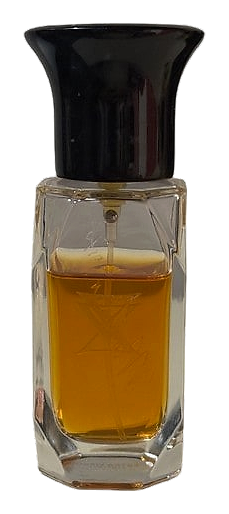
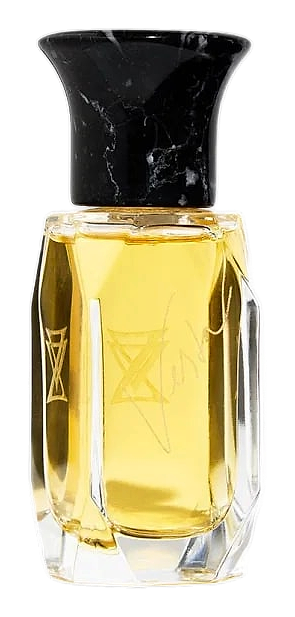
Ambrosiae comes from Extra Virgo's Les Fleurs du Mal collection, five compositions built around flowers that refuse to behave. The collection's founding idea: honey and the flowers it ruins. Not a romantic image. A transgressive one. Honey isn't gentle in nature. It's the product of something that died for it, transformed into sweetness by bodies that didn't intend to be sweet. Michele Marin built Ambrosiae around this contradiction. The honeyed rose heart sits at the center, but the framing comes first, propolis, beeswax, green frankincense. These are the materials that say: this isn't a love letter. This is the thing underneath the love letter.
Rose absolute in perfumery usually arrives soft, grateful, dewy. Here it arrives different. One reviewer describes it as almost metallic, oxidized, leaning toward geranium, sharpened by saffron's medicinal intensity rather than rounded by it. That's not a flaw in the composition. That's the point. The propolis absolute brings an almost antiseptic edge to the honey, the beeswax holds everything in a waxy, sticky warmth that refuses to fully dissolve. Incense weaves through as a ghost, present but not announcing itself. The spices shift the composition from floral into something more confrontational. This is a rose that has seen things. Chinese oud and civet sit quietly at first, then dominate the drydown.
The evolution
The opening announces itself with Omani green frankincense, citrussy, eucalyptus-like, a sharp freshness that cuts before it warms. Saffron joins almost immediately, bringing that metallic-spice tension. The frankincense freshness holds for the first thirty minutes, then slowly recedes as the honey and rose move into foreground. The heart is where this lives. Rose absolute and honey arrive together, but they don't harmonize. The rose leans sharp and slightly oxidized; the honey brings sweetness that can't hide what's underneath. Propolis absolute gives it an almost medicinal darkness, beeswax keeps it grounded in warmth. Spices pulse through, not a uniform warmth but an uneven one, shifting as the composition develops. Then the civet makes itself known. The drydown isn't gentle about this. Chinese oud rises to meet it, barn-like and present. Sandalwood grounds the animalic without softening it, providing a creamy counterpoint that makes the whole thing feel less raw and more inevitable.
Cultural impact
Ambrosiae enters the ultra-niche landscape in 2025 as part of Extra Virgo's Les Fleurs du Mal collection, a body of work that takes flowers and their destruction as its subject. The animalic oriental floral category has long had space for confrontational compositions, but the Italian execution, propolis and beeswax as structural materials alongside traditional heart notes, gives this one a specific character. The 2025 launch places it among recent entries in the ultra-niche category, where collectors have shown increasing appetite for compositions that don't negotiate with comfort.