The Story
Why it exists.
The beginning
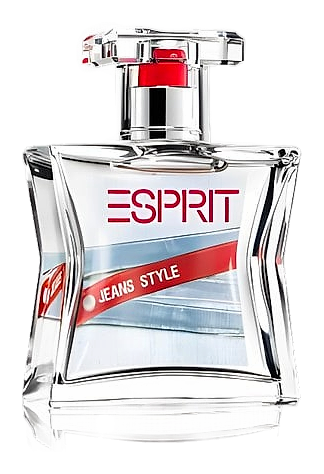
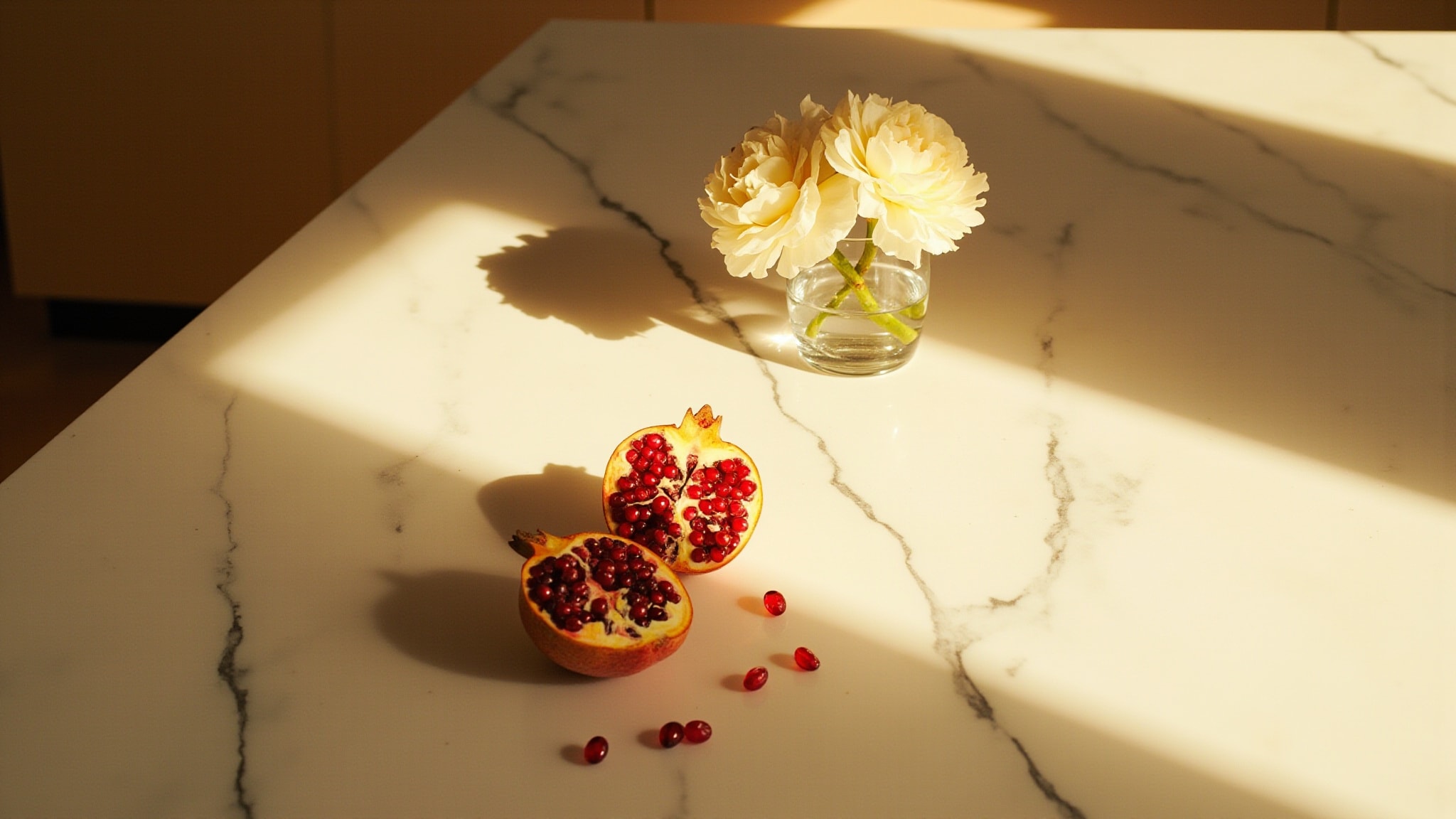
Esprit named this one after an idea, not an ingredient. The denim silhouette, born in the sixties, perfected over decades, became shorthand for a certain kind of freedom. Effortless. Unpretentious. The fragrance captures that same energy: bright opening notes of pomegranate and cranberry that hit like sunlight on bare arms, then soften into a floral heart that doesn't demand attention. It was built for the woman who doesn't need a fragrance to announce her. She just needs one that fits.
What makes Jeans Style Woman interesting is its restraint. The fruity opening, cranberry and pomegranate, could easily tip into candy. But there's an orchid note threading through that keeps things grounded, almost green. The heart of tiare and white violet is powdery in the best way, like the inside of a drawer with pressed flowers. And the base? Vanilla and patchouli done clean. Not skanky, not heavy. Just warm. It's a composition that knows exactly what it wants to be and refuses to apologize for it.
The evolution
First hour: Pomegranate and cranberry arrive together, tart, juicy, almost sparkling. The cranberry adds a slight edge, a tannic quality that keeps it from being sweet. Cranberry doesn't show up often in perfumery; here it does the work of a top note that actually announces itself. By hour two, the florals take over. Tiare and white violet blend into something powdery and soft, with peony adding body. This is the fragrance's gentlest phase, no sharpness, no projection, just proximity. The drydown is where the musk and vanilla live. Four to six hours in, you're leaving a trace of something warm and close. Patchouli keeps it grounded. Vanilla keeps it soft. This is skin-scent territory, the kind of fragrance that someone standing very close will notice, and that's exactly the point.
Cultural impact
Jeans Style Woman arrived in 2011 during a period when accessible luxury was reshaping the fragrance market. Esprit, a brand rooted in casual Californian style since 1976, used this fragrance to translate its denim-inspired identity into scent form. The early 2010s saw a proliferation of fruity-floral fragrances targeting younger demographics at approachable price points. This fragrance fit squarely in that movement, offering mainstream consumers an alternative to high-end niche scents without sacrificing complexity. The pomegranate and cranberry notes reflected a broader trend toward antioxidant-inspired beauty marketing, where food-derived ingredients became selling points.