






The Heritage
The Story of Esprit
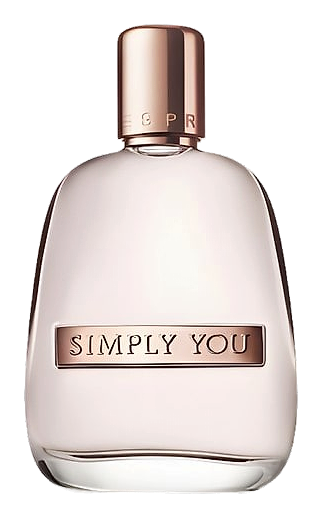
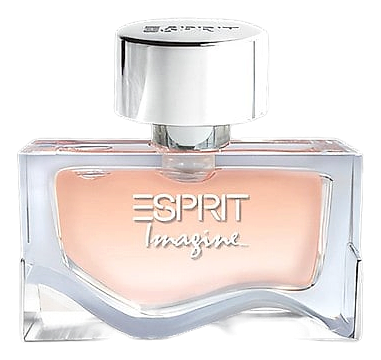
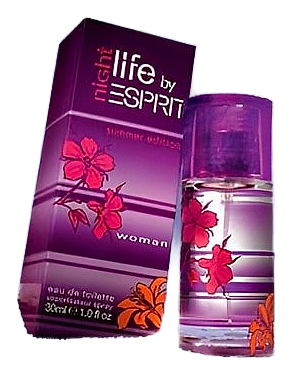
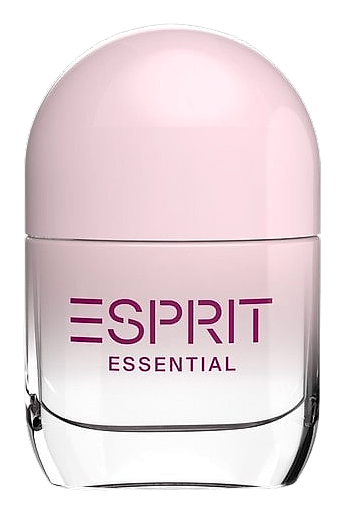
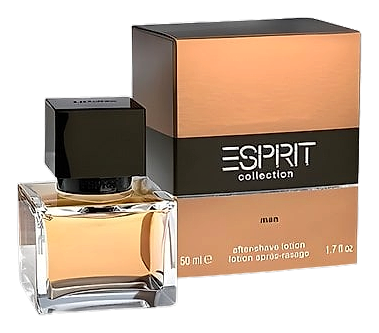
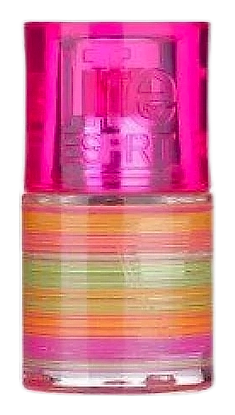
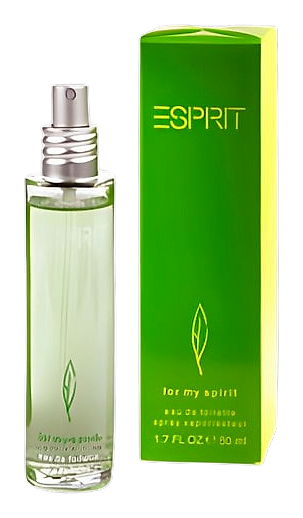
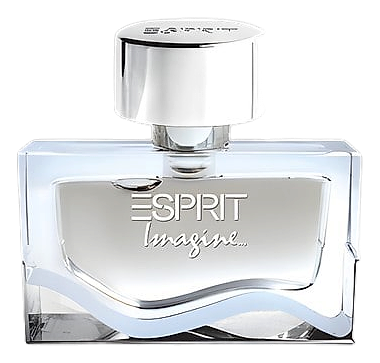
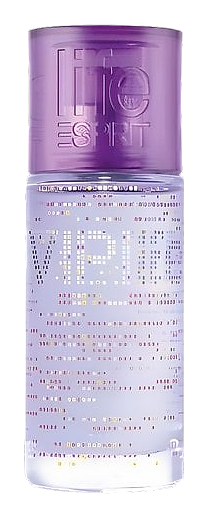
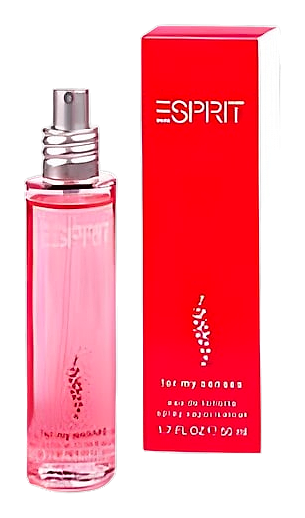
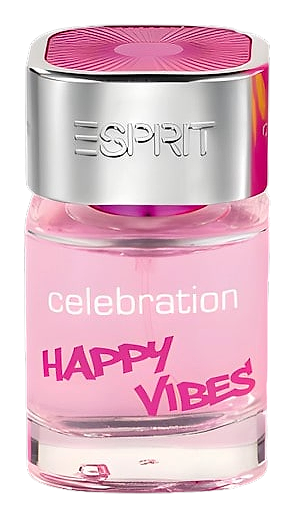
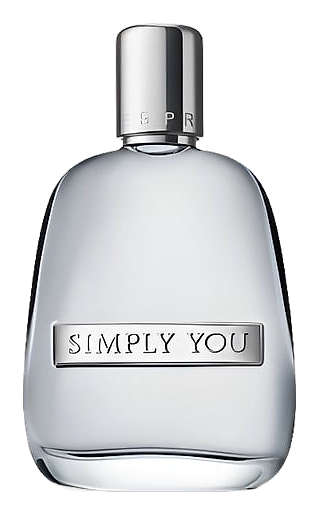
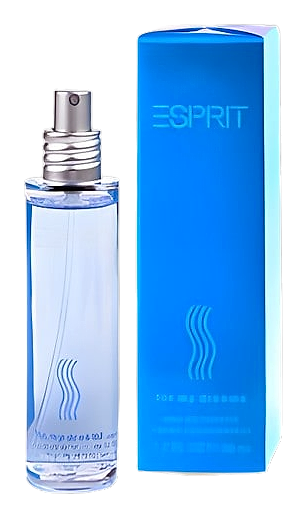
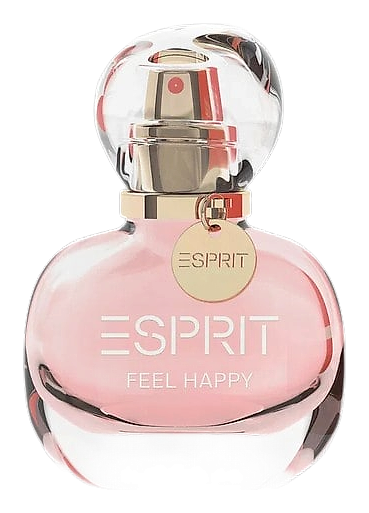
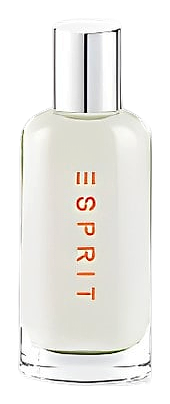
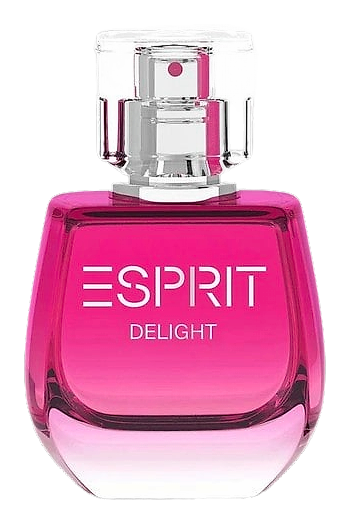
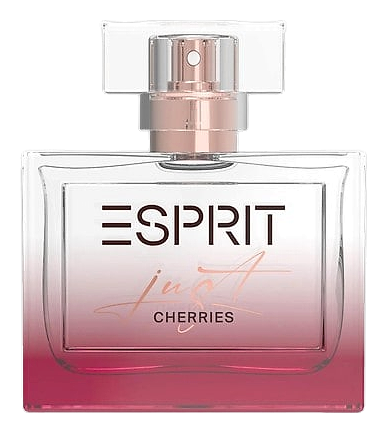
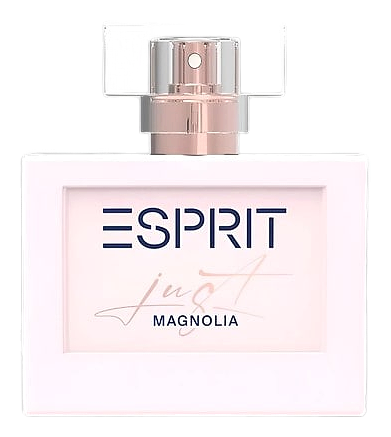
Esprit translates its global lifestyle brand into a line of contemporary fragrances that debuted in the early 2000s. The collection includes Esprit for My Spirit (2001), Esprit for My Delight (2003), Night Life Summer Edition (2007) and Your Life by Esprit Man (2013). Each scent pairs bright, approachable notes with the brand’s casual‑yet‑confident aesthetic, offering a scented extension of Esprit’s clothing philosophy.
Heritage
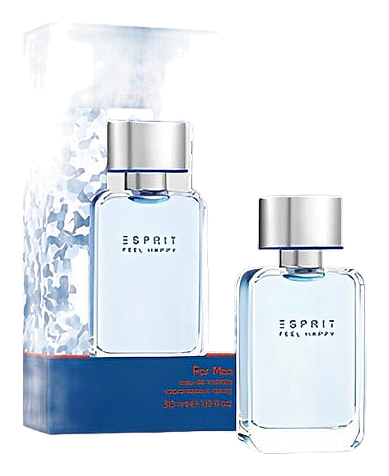
Susie and Doug Tompkins founded Esprit in San Francisco in 1968. The couple built a retail network that emphasized relaxed, colorful apparel and quickly expanded to Europe and Asia during the 1970s. By the late 1990s the company sought to extend its lifestyle platform into fragrance, a move documented in trade publications that note the first perfume launch in 2001. Esprit for My Spirit arrived that year, followed by Esprit for My Delight in 2003. The brand continued to release gender‑specific and unisex scents, such as Night Life Summer Edition (2007) and Feel Happy for Men (2014). Throughout the 2000s Esprit leveraged its global distribution channels to place fragrances in department stores across more than fifty markets. The fragrance line remained aligned with the parent company’s emphasis on youthful optimism and environmental awareness, values that the Tompkins family championed through early sustainability initiatives in the apparel division. In 2013 the brand introduced Your Life by Esprit Man, a scent that blended woody and aromatic accords, marking the most recent major addition to the portfolio. The fragrance arm has persisted despite shifts in the fashion market, reflecting Esprit’s broader strategy of diversifying its product ecosystem while maintaining a consistent brand voice.
Craftsmanship
Esprit works with established fragrance houses to formulate its scents, a practice confirmed by industry listings that name collaborators such as Givaudan and International Flavors & Fragrances. The development process begins with a brief that outlines the desired mood, target audience and key olfactory families. Perfumers then draft accords using a blend of natural extracts and synthetically derived aroma chemicals, ensuring consistency across large production runs. Esprit sources natural ingredients from certified farms in France, Italy and Madagascar, prioritizing suppliers that meet Fair Trade standards where possible. Quality control occurs at multiple stages: raw material testing, batch stability checks and final perfume verification in accredited laboratories. The brand packages each fragrance in recyclable glass bottles that feature the iconic Esprit logo in a clean, sans‑serif typeface. Production facilities adhere to ISO 9001 standards, and the company conducts periodic audits to verify compliance with environmental regulations. This systematic approach allows Esprit to maintain a uniform scent profile across markets while keeping costs accessible for a broad consumer base.
Design Language
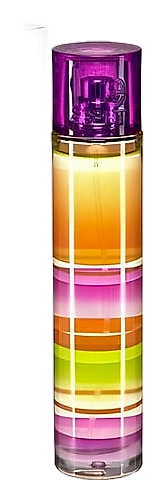
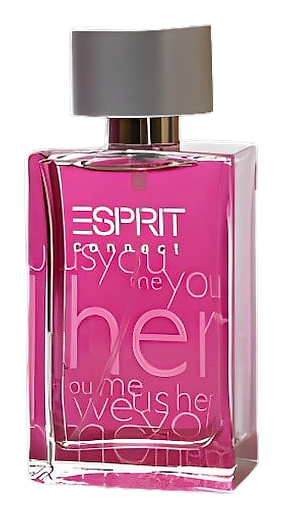
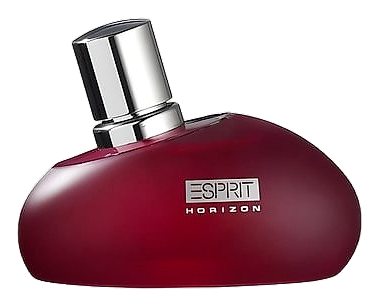
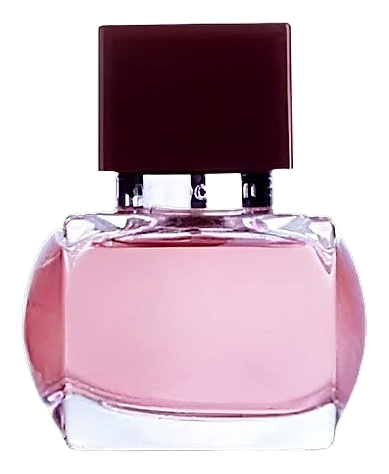
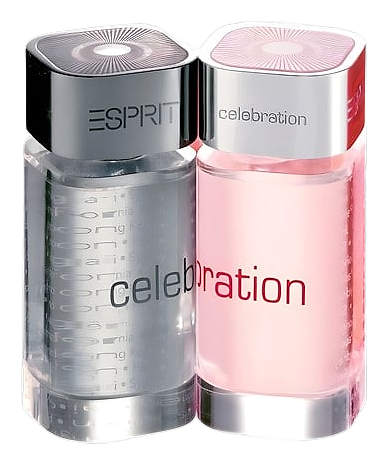
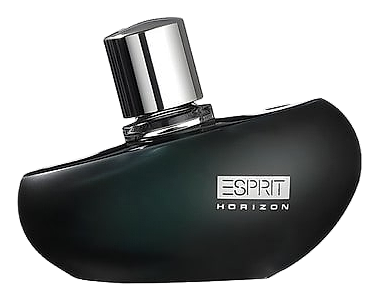
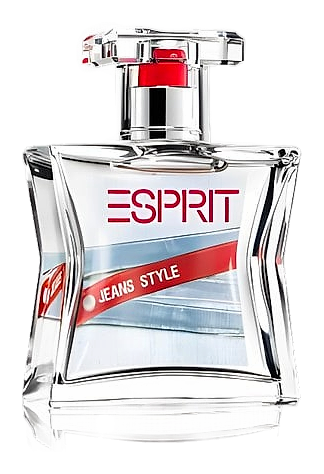
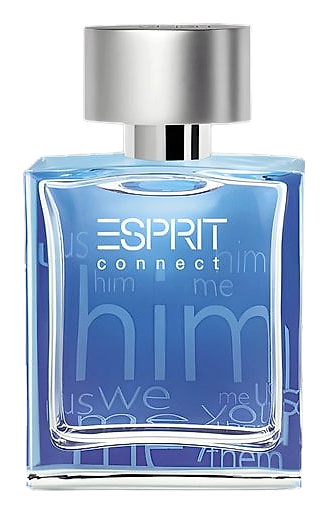
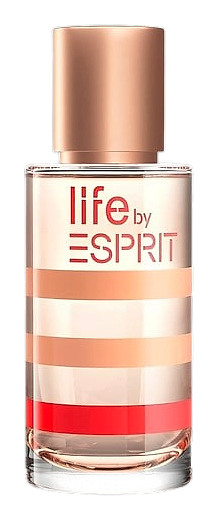
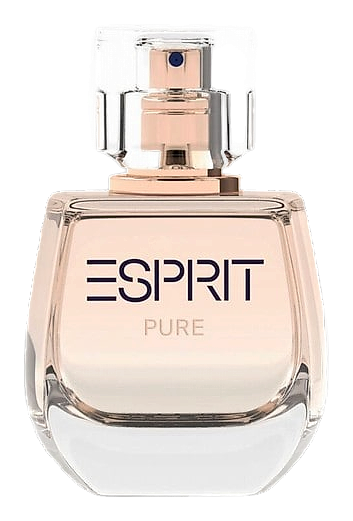
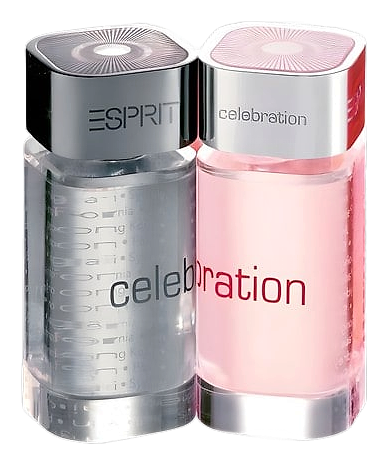
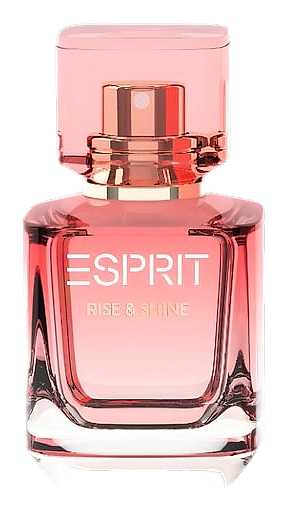
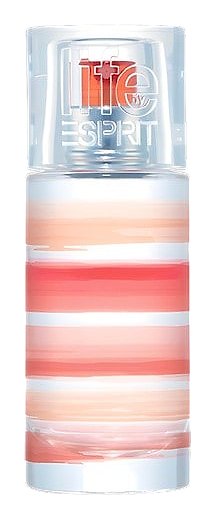
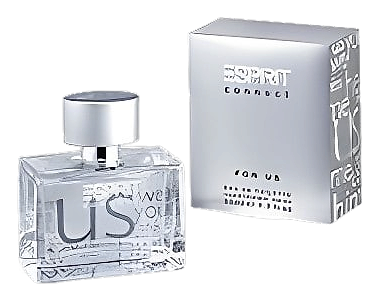
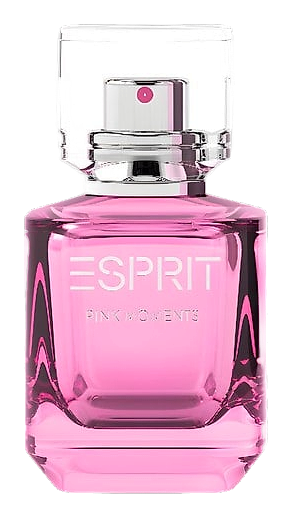
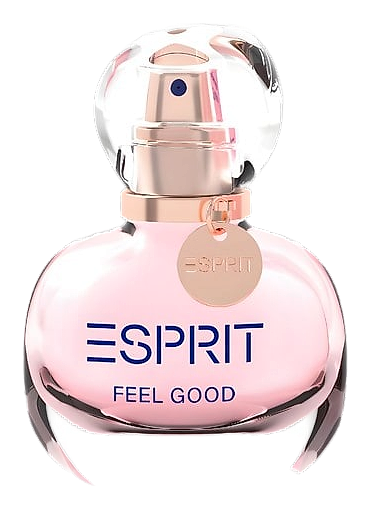
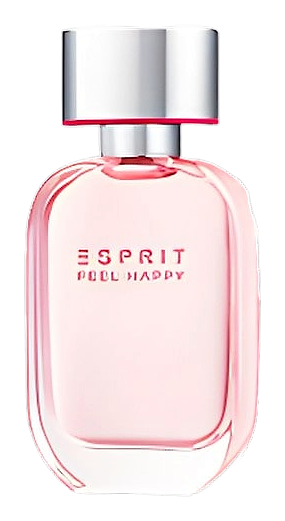
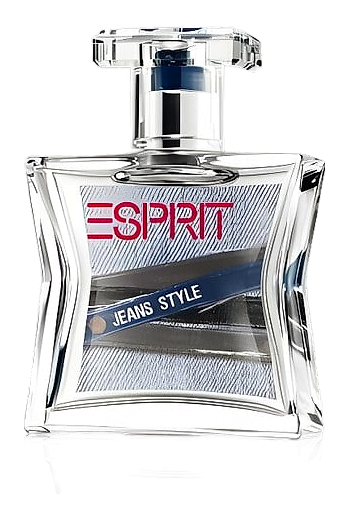
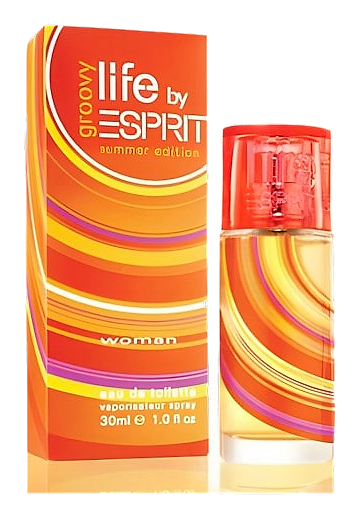
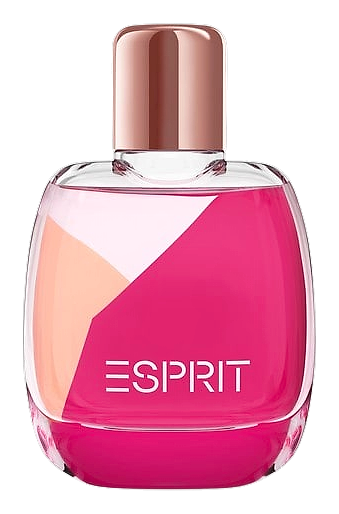
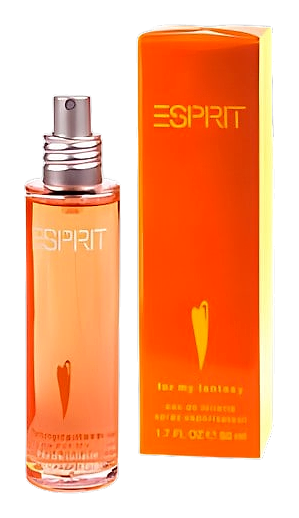
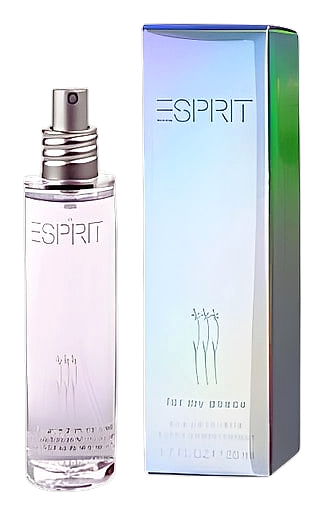
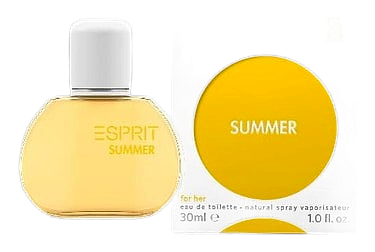
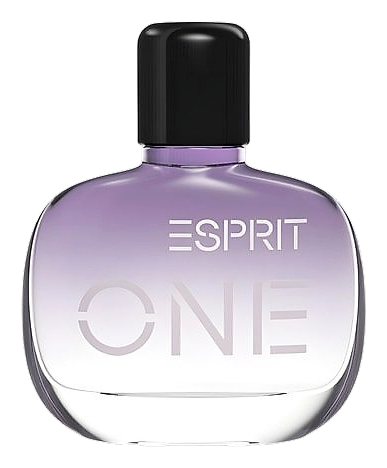
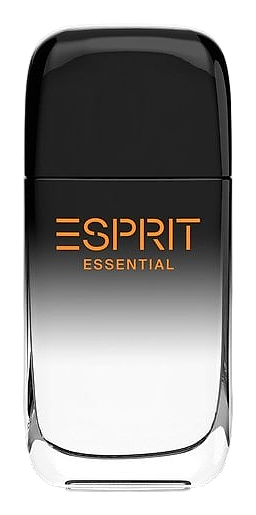
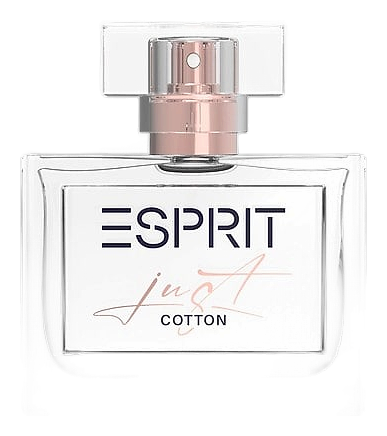
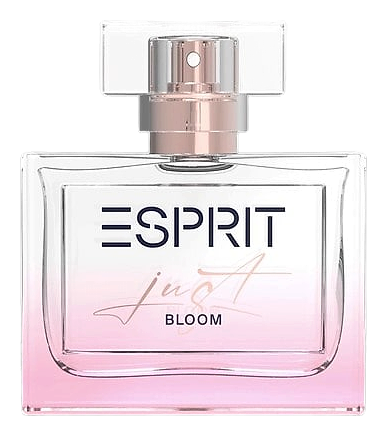
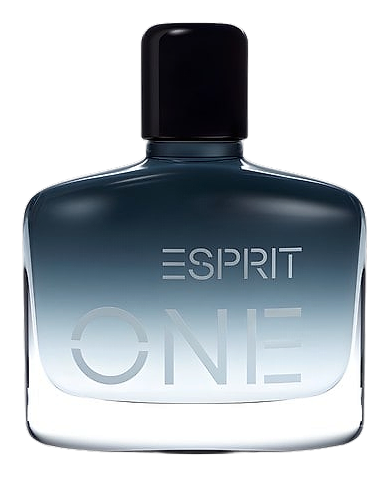
Esprit’s visual language carries the same bright, uncluttered feel as its apparel. Bottle designs favor clear glass with minimal ornamentation, allowing the perfume’s colour to become the focal point. Labels display the Esprit wordmark in a simple, lowercase font, often accompanied by a single colour accent that reflects the scent’s character – for example, a soft teal for Esprit for My Spirit or a warm amber for Feel Happy for Men. Advertising campaigns use natural light, outdoor settings and candid models, reinforcing the brand’s relaxed, inclusive vibe. In‑store displays echo the brand’s retail architecture, featuring open shelving and pastel backdrops that echo the clothing line’s signature palette. The overall aesthetic communicates approachability and a sense of everyday luxury without relying on overtly lavish imagery.
Philosophy
Esprit treats scent as a personal signature rather than a fleeting trend. The brand encourages wearers to choose a fragrance that matches their daily mood, echoing the company’s original mantra of self‑expression through clothing. Creative briefs for each perfume stress clarity, approachability and a hint of optimism. Sustainability informs ingredient selection; the company prefers responsibly harvested botanicals when they are available. Esprit also values transparency, providing consumers with note breakdowns on its website and in retail displays. The fragrance line aims to complement the brand’s casual style, offering scents that transition from office to weekend without demanding a dramatic shift in persona. By framing fragrance as an extension of everyday life, Esprit positions scent as a subtle layer of identity rather than a statement piece.

Key Milestones
1968
Susie and Doug Tompkins launch Esprit as a clothing brand in San Francisco.
1970
Esprit expands internationally, opening stores in Europe and Asia.
2001
Esprit releases its first fragrance, Esprit for My Spirit.
2003
Esprit for My Delight debuts, adding a floral‑citrus option for women.
2007
Night Life Summer Edition launches for both men and women, targeting seasonal wearers.
2013
Your Life by Esprit Man arrives, featuring woody and aromatic notes.
At a Glance
Brand profile snapshot
Origin
United States
Founded
1968
Heritage
58
Years active
Collection
1
Fragrances released
Avg Rating
3.3
Community sentiment
Release Rhythm


