
The Story
Why it exists.
The beginning
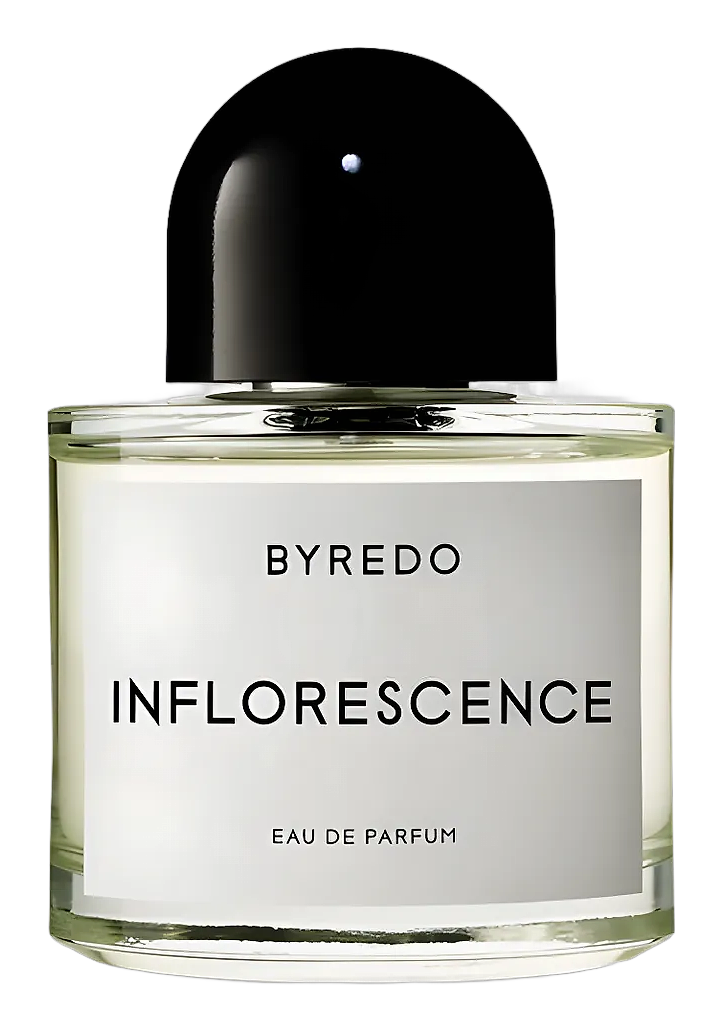
Pierre Negrin conceived this fragrance like a tower of glass, every element visible from the start, nothing buried beneath. His goal was a lily of the valley that refused to go flat, to fade into soap, to become background noise. Instead of layering the signature bloom under other florals, he built around it with materials that share its transparency: citrus and orange blossom water at the opening, soft musk and sandalwood at the close. The result is a lily that floats, unencumbered, in all its white-petal purity.
What makes this composition distinctive is the refusal to complicate. Lily of the valley has a tendency toward either aggressive green sharpness or powdery, soapy abstraction in many fragrances. Here, the ylang-ylang and amaryllis soften without sweetening, while ambrette adds a skin-like clarity that makes the whole thing feel worn rather than sprayed. The bergamot and rosewood at the opening aren't decoration, they're structural, keeping the fragrance airy for the first hour before the warm base takes over. It's lily of the valley with nowhere to hide and no reason to.
The evolution
The opening lands cool and crystalline, bergamot first, then orange blossom water arriving just behind. No transition. Everything arrives at once, the way light fills a greenhouse at dawn. The rosewood keeps it grounded without adding weight. Within twenty minutes, the lily of the valley surfaces and takes over, dewy, almost wet-stem green, backed by ylang-ylang's tropical cream. The composition doesn't develop so much as settle, like a single stem in a glass of water, all parts visible. By hour two, the drydown arrives: ambrette, sandalwood, a clear musk that reads as skin-warm rather than projected. The lily fades last, lingering quietly on the skin with above-average staying power, intimate, and impossible to mistake.
Cultural impact
Lily of the valley has long been a cornerstone of perfumery, appearing in hundreds of classic formulations and symbolizing spring renewal and purity. The flower's delicate structure makes it notoriously difficult to capture authentically in fragrance, requiring careful blending to preserve its signature green, floral character. Its small, bell-shaped blooms carry a quiet intensity that perfumers find endlessly compelling, a freshness that evokes dewy morning air. The note serves as a bridging element between different fragrance families, its versatility allowing it to shift from crisp and aquatic to richly floral depending on its companions.