The Story
Why it exists.
The beginning
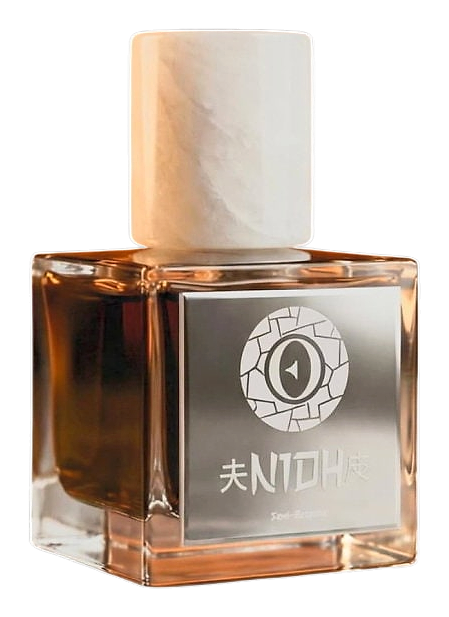
Dokusan sits inside the Nioh collection, a series Ensar Oud shaped around winter in Japan, that season of stillness where incense smoke hangs in temples and breath turns visible in cold air. Released in 2026, this particular entry takes its name from a Zen concept: a private meeting, a one-on-one audience, teacher to student. The composition reflects that intimacy, built for close quarters and honest skin. Ensar Oud builds compositions around materials most perfumers won't touch. Dokusan continues that philosophy, pairing wild Hainanese oud with Tibetan musk and hyraceum in a formulation that values texture over trend. There's nothing decorative about it.
What sets this apart is the hyraceum, a fossilized secretion collected from rock hyrax dens, used in perfumery for centuries but rarely this prominently. Its animalic sweetness grounds the composition in something mammalian, almost bodily. Tibetan musk adds a similar weight, amplifying the feral register while saffron and incense provide the dry, smoky architecture on top. Hainanese oud brings its own character to the blend, and the interplay between sweet-animal and incense-dry creates a conversation most modern compositions avoid.
The evolution
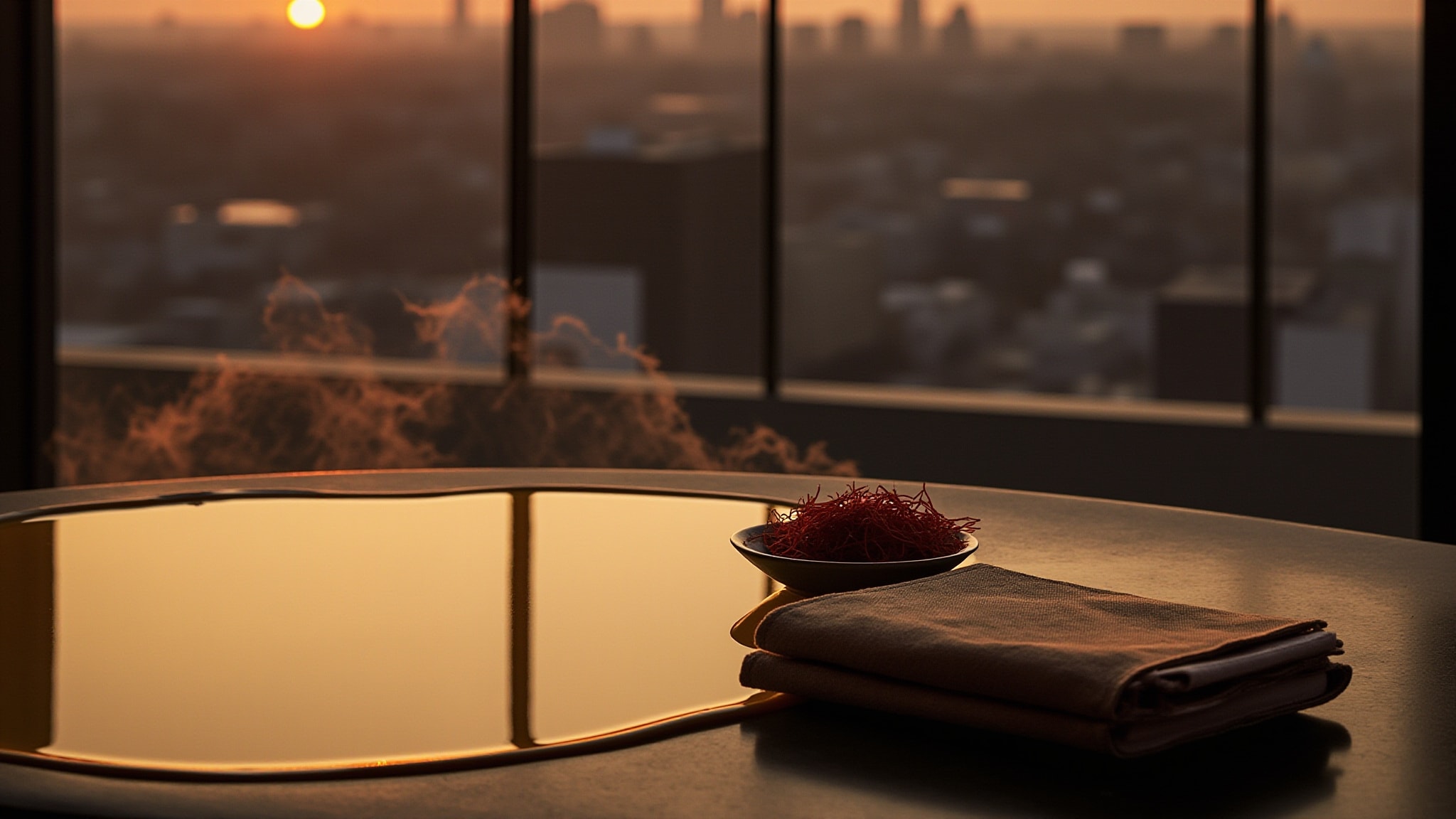
The first 30 minutes feel almost ecclesiastical. Incense and saffron coat the skin like temple smoke, dry and slightly bitter, with a thread of beeswax sweetness threading through. Mandarin orange brightens the edges just enough to keep it from feeling funereal. Then the middle act opens. Hyraceum surfaces like something rising from deep water, sweet, mineral, unmistakably animal. Tibetan musk follows, amplifying the warmth until the composition reads less like perfume and more like proximity to skin. Hainanese oud holds underneath, its barnyard edge softened by vanilla but never fully tamed. The heart phase runs hot for 2-3 hours, dense and intimate, with the animalic accord refusing to recede even as the incense starts to soften around it. Rose enters late, not as a floral note but as a shadow, barely there, lending the drydown a quiet melancholy.
Cultural impact
Dokusan draws on Japanese seasonal aesthetics and the stillness of winter temple architecture, pairing that quiet geometry with animalic and resinous materials more common in Middle Eastern perfumery. The hinoki and incense provide a structural backbone that reads distinctly Japanese, while the hyraceum, Tibetan musk, and saffron bring warmth and density rooted in older traditions. That cross-cultural conversation gives the fragrance a layered identity: incense-dry on top, sweet-animal underneath, with the wood and resin materials tying both registers together.