The Story
Why it exists.
The beginning
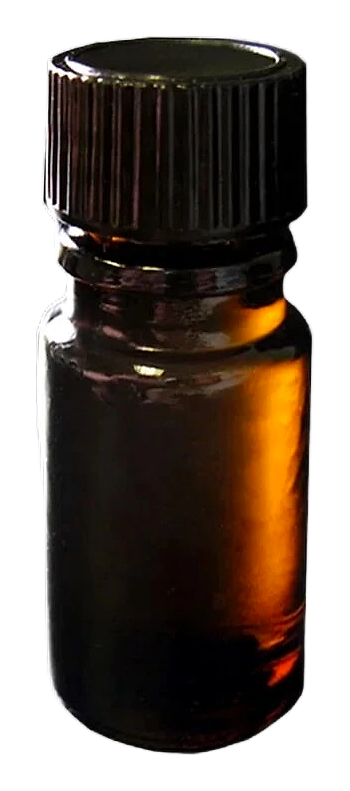
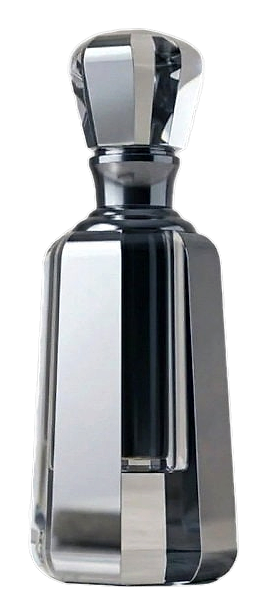
Musk Musa arrived in 2026 from Ensar Oud with a clear point of view: the dry, mineral, animalic territory where musk meets desert air. It is a musk attar, and it treats the category as a destination rather than a stepping stone. Most of the musk fragrances that reach a wider audience have been softened, smoothed, or stripped of the rough edges that give natural musk its depth. Musk Musa does the opposite. It leans into the textures that mainstream perfumery tends to edit out, the dry grain of fur rather than skin, the stony coolness beneath warm hide, the faint medicinal shiver that runs through animalic materials when they're left close to their raw state.
The composition leans on three musk origins, Mongolian, Tibetan, and Tonkin, layered together rather than blended smooth. That stacking matters, because each region produces a musk with its own grain and temperature, and keeping them distinct lets the composition breathe instead of collapsing into a single flat animalic note. Oud enters as backbone rather than headline, and hyraceum does the quiet work underground, adding that truffle-like mineral depth the brand describes as dune-desert tone. Civet is present in trace amounts, less a note than a current running through everything else.
The evolution
The first hour is all texture, not projection. Hyraceum and the three musks settle into something close and mineral, like the smell of warm stone after a long afternoon. Cedar and hinoki cypress hum underneath, adding faint smoke without sweetness. Civet stays barely perceptible, more a tension than a scent. Around the two-hour mark, the orange blossom arrives, but it doesn't announce itself, it softens the edges of the musk without brightening anything, like opening a window in a room that was already warm. From hour three onward, the oud takes over. Not sharp, not barnyard, but a slow, leathery warmth that feels like the scent has been there longer than you have. By hour six, the musk and oud have merged into a single animalic warmth that hovers gently around the wearer, close enough to revisit with each movement but never demanding attention from across the room.
Cultural impact
Musk Musa doesn't pretend to be a crowd-pleaser, and it doesn't try to be. It wears like a translation of dry, arid terrain into scent, evoking hot mineral air, animal warmth, and the kind of dry heat you feel on skin in open desert. It's not a metaphor for luxury. It's closer to a literal evocation of place and atmosphere, one that trades the polished surfaces of mainstream perfumery for something rougher, older, and more textured. For the niche attar community, the fragrance lands in a familiar but carefully staked-out territory.