
The Story
Why it exists.
The beginning
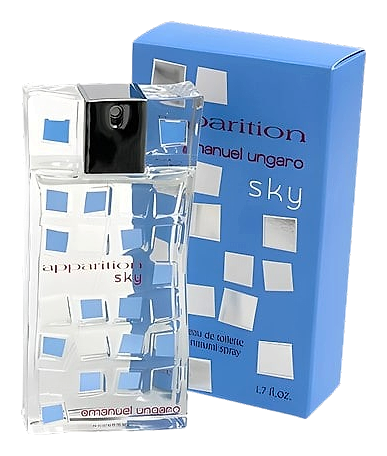
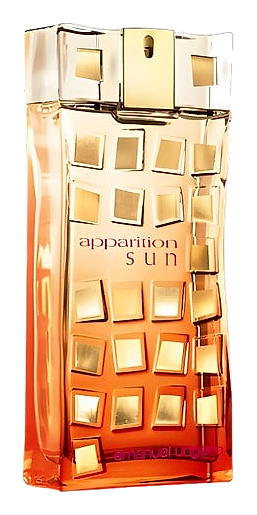
Françoise Caron designed Apparition Sun for Emanuel Ungaro in 2006, part of a house known for color-forward couture drama. Where other Ungaro releases leaned into darkness or opulence, Apparition Sun arrived with a specific mandate: translate the sensation of actual sunlight into something you could wear. The name itself is a paradox, apparitions are ghostly, hard to hold, but this fragrance wanted to be caught. A limited edition from the start, it spoke to the house's willingness to make something ephemeral and call it intentional.
What makes the structure interesting is how little it tries to do. Two top notes. Two heart notes. Two base notes. No fussy transition accords, no layered complexity meant to impress on paper. The grapefruit and raspberry don't compete, they arrive together, then slowly cede ground to freesia and rose. The musk in the base isn't there to project; it's there to make the skin smell warm an hour later, when the florals have thinned and what's left is something quiet and clean. That's the whole composition: a straight line from bright to warm, with nothing wasted.
The evolution
Pink grapefruit hits first, sharp, immediate, the smell of something waking up. The raspberry joins within seconds, softening the citrus into something rounder. This opening lasts maybe twenty minutes before the florals begin their takeover. Freesia arrives cool and slightly green, rose following with a sweetness that never quite becomes powdery. By the second hour, the cedar announces itself, dry, clean, almost soapy in the best way. The musk underneath keeps everything human. By hour four, on skin that runs warm, you've got something close and intimate: the ghost of rose, a whisper of citrus, and cedar that refuses to fully disappear. On fabric, it lasts into the next morning as a faint, pleasant warmth.
Cultural impact
Apparition Sun arrived in 2006 as a limited edition from Emanuel Ungaro, designed by perfumer Françoise Caron. The house tasked Caron with translating the literal sensation of sunlight into fragrance form, and she delivered something unexpectedly spare. Rather than building complexity through dozens of ingredients, Caron stripped the composition down to six notes with the grapefruit and raspberry opening doing the heaviest lifting. This minimalism was unusual for a fashion house fragrance at the time, when competition meant layering accord upon accord. The 2006 launch coincided with a moment in fashion when Ungaro was pushing maximalist aesthetics across ready-to-wear, making Apparition Sun's restraint feel almost rebellious within the brand's own catalog.
The House
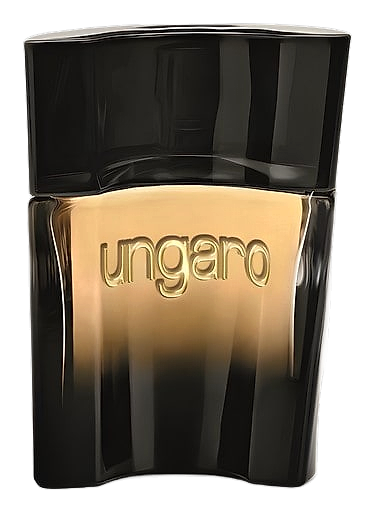
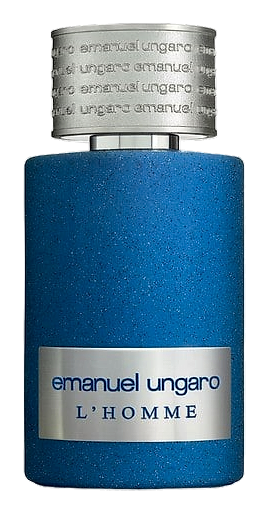
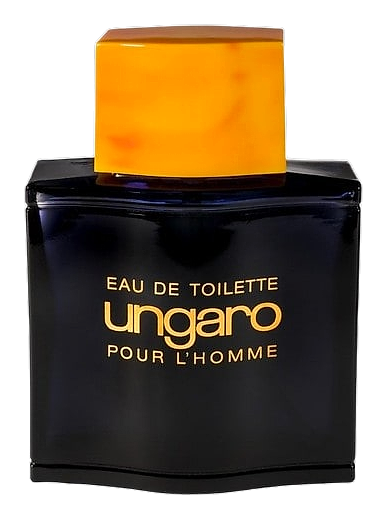
Emanuel UngaroEmanuel Ungaro is a French fashion house that extends its runway sensibility into fragrance. Founded in 1965, the label translates couture silhouettes into scented compositions that balance bold structure with lyrical nuance. The perfume portfolio spans from the 1977 debut Ungaro, a spicy‑aldehydic floral, to contemporary releases such as Yellow Chic (2024) and Heavenly Petals (2025). Each scent carries the house’s signature blend of vibrant color and refined form, inviting wearers to experience a wearable piece of the brand’s artistic legacy.
The Creator
Françoise CaronCaron gravitates toward luminous, translucent fragrances. She works comfortably with crisp citrus, transparent florals, and crisp green or aquatic notes, building structures that feel weightless rather than layered.