
The Story
Why it exists.
The beginning
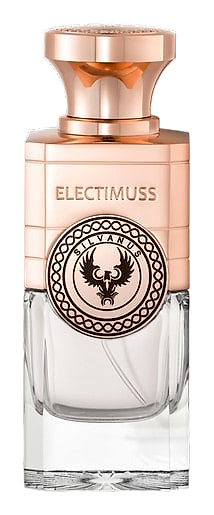
Silvanus takes its name from the Roman god of forests and wilderness, guardian of nature, keeper of boundaries between the wild and the cultivated. The name carries weight: a deity of untamed spaces, translated into something you put on skin. Perfumer Marco Genovese chose to interpret that wildness not through literal forest imagery, pine resin, damp moss, but through the feeling of moving through an ancient wood. Saffron and clove open like light cutting through a canopy: sharp, almost surgical. Then the trees arrive: cedar, sandalwood, palisander rosewood forming a woodland heart that's both structured and alive. The combination of warm spices and cool musky base creates an unusual tension that makes this feel garden-adjacent rather than wilderness-raw.
The combination of warm spices, saffron, clove, with a cool musky base creates an unusual tension that makes this feel garden-adjacent rather than wilderness-raw. The lily of the valley in the heart is the surprise. That watery, almost transparent floral appears in the middle, softening the woods in an unexpected way. It tempers them rather than competing with the woods forming underneath. Ambergris and white musk anchor the base, neither dominant individually, they're the quiet final word, the skin-warmth that lingers after the woods have settled.
The evolution
The opening arrives in layers you can track individually. Saffron arrives first, bright, almost medicinal, the metallic edge of expensive spice. Oud follows immediately, dark and resinous. Clove adds a sharp, almost phenolic kick that prickles the sinuses. For the first thirty minutes, this is assertive. The three top notes haven't yet integrated. It smells expensive but slightly unsettled, like walking into a room where the conversation has just stopped. Then the handoff. Lily of the valley appears in the heart, watery, green, unexpectedly delicate. It doesn't compete with the woods forming underneath. It tempers them. Cedar and sandalwood build slowly over the next several hours, creating a woody heart that's both classic and modern. The drydown belongs to the ambergris and white musk. The ambergris is warm and animalic without being dirty, salt and warmth in equal measure.
Cultural impact
Silvanus occupies an interesting position in the Electimuss lineup. Named for the Roman god of wilderness, it stays firmly in the woody-spicy register the brand favors while nodding to Roman mythology. The name provides an entry point into that mythological world, giving the fragrance a narrative that's easy to carry. For those drawn to Roman mythology, Silvanus offers a way into that thematic space without requiring deep engagement with the house's more elaborate conceptual releases. The forest god naming gives Silvanus a story that resonates with anyone interested in the intersection of classical antiquity and contemporary fragrance.