The Story
Why it exists.
The beginning
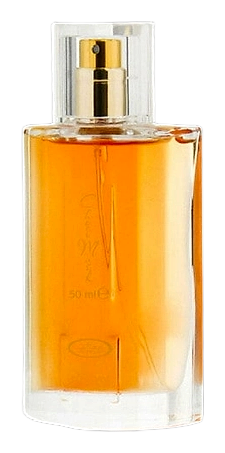
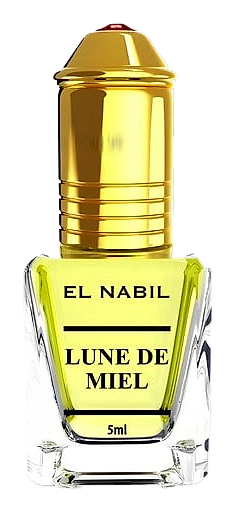
Lune de Miel, French for "moon of honey," launched in 2015 and the name points to something ancient and intimate: honey as a symbol of sweetness, abundance, and ritual. The fragrance takes that symbol and runs it through saffron, rose, and stone fruit, arriving at a scent that feels less like a single ingredient and more like a whole sensory memory. From the first spray, there's a warmth that reads as edible without being sugary, a golden quality that feels pulled from old apothecaries and quiet rituals. The saffron carries a leathery edge, almost mineral, while the rose underneath it is jammy and dense rather than powdery or green. As those top notes settle, the plum and apple reveal themselves with a quiet tartness, a fruit character that has weight and shadow rather than brightness.
What makes this composition worth attention is the way saffron leads with metallic heat before the rose has a chance to bloom. Here, the flower has to push through saffron first, which gives the opening a spiced, almost smoky quality, and that saffron note doesn't politely step aside. It lingers at the edges of the rose, lending the bloom a faintly metallic sheen, the kind of effect you might associate with antique brass or sun-warmed stone. Then the plum-apple heart does something unexpected: fruit in an oriental composition often reads as either syrupy or candied.
The evolution
The first 15 minutes belong to saffron. It's metallic, leathery, almost mineral. Rose threads through it but doesn't take over. By the 30-minute mark, plum and apple arrive together, and the composition shifts from spiced to sweet. The fruit stage is the loudest the fragrance gets, though "loud" here is relative. It stays close to the skin, warm rather than projecting. After 2 hours, the base materials start doing their work. Sandalwood softens everything into a creamy, woody texture. Vanilla adds warmth without adding sugar. Patchouli sits underneath, giving the drydown a faint earthy edge that keeps it from becoming pure dessert. By hour 5 or 6, what's left is a warm, slightly powdery skin scent. Vanilla and sandalwood dominate, with a trace of the rose still detectable. The next morning, on fabric, a faint honeyed warmth persists.
Cultural impact
Lune de Miel sits in a comfortable middle ground: rich enough to feel considered, wearable enough to become a daily companion rather than a special occasion piece. It offers oriental warmth, rose character, and a sweet-spicy balance that holds together across hours of wear without ever feeling heavy or monotonous. The appeal is in its versatility: it works in cooler months when the base notes can really unfold, and it holds up in transitional weather when you want something that carries presence without overwhelming the room.