
The Story
Why it exists.
The beginning
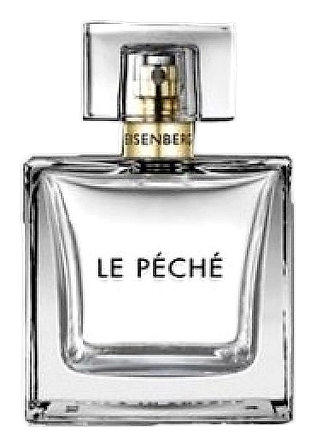
Le Peche arrived in 2010 from Eisenberg's Paris laboratory, conceived as a study in contrasts. The name carries double meaning: a sweet fruit and the French word for sin. Eisenberg's perfumer sought to bottle that duality, pairing the innocence of garden florals with an undercurrent of something darker. The bright, tart opening notes represent the innocent facade, while the amber, jasmine, and vanilla heart hints at hidden warmth and desire.
The pairing of bright florals with warm, resinous notes reflects the brand's philosophy of contrasts. Osmanthus and hibiscus bring innocence and playfulness, while amber and vanilla add depth and sensuality. The woody, earthy drydown grounds the fragrance, preventing it from becoming too sweet or one-dimensional. This structure allows Le Peche to move seamlessly between daytime wear and evening occasions, its character shifting with the wearer's skin chemistry.
The evolution
The opening blends African orange flower's bright, indolic sweetness with osmanthus's honeyed apricot character and hibiscus's tart edge. This creates a luminous, garden-fresh introduction that feels both innocent and inviting. As the heart develops, jasmine's narcotic floralcy merges with amber's resinous warmth and vanilla's creamy sweetness, shifting the fragrance toward sensuality. The drydown anchors the composition with patchouli's earthy depth, vetiver's green-woody tension, sandalwood's creamy warmth, and musk's skin-close intimacy.
Cultural impact
Le Peche quickly earned a reputation as a sensual fragrance of desire, praised for its seamless gender balance. Wearers often cite the hibiscus‑orange blossom spark as a conversation starter, while the patchouli‑musk dry‑down attracts those who favor earthy depth without heaviness. Its paradoxical blend places it alongside modern French unisex classics.