
The Story
Why it exists.
The beginning
The races near Deauville. Christian, aristocrat, gambler, and Fouquet's closest friend, had a gift for knowing which horse would cross first. Fouquet never cared about winning. He cared about the moment: the light on the water, the murmur of the crowd, the elegant wager between men who understood that some things are worth the risk. Le Pari d'Honfleur captures that afternoon. Not the bet itself, but the pleasure of being there.
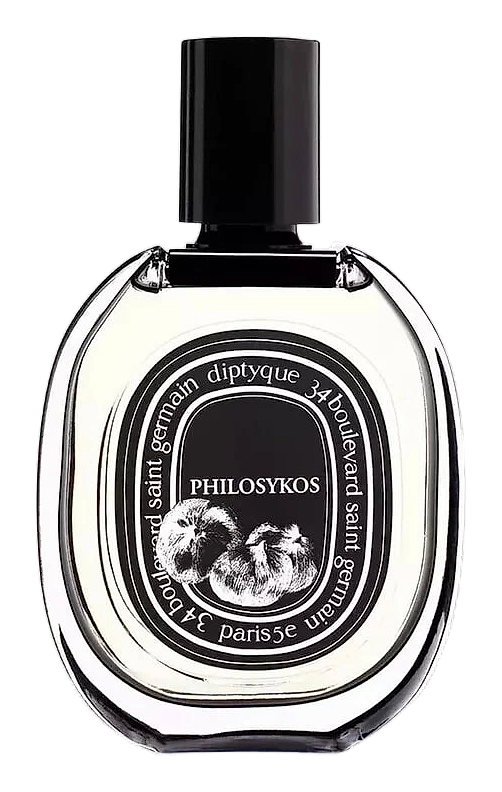
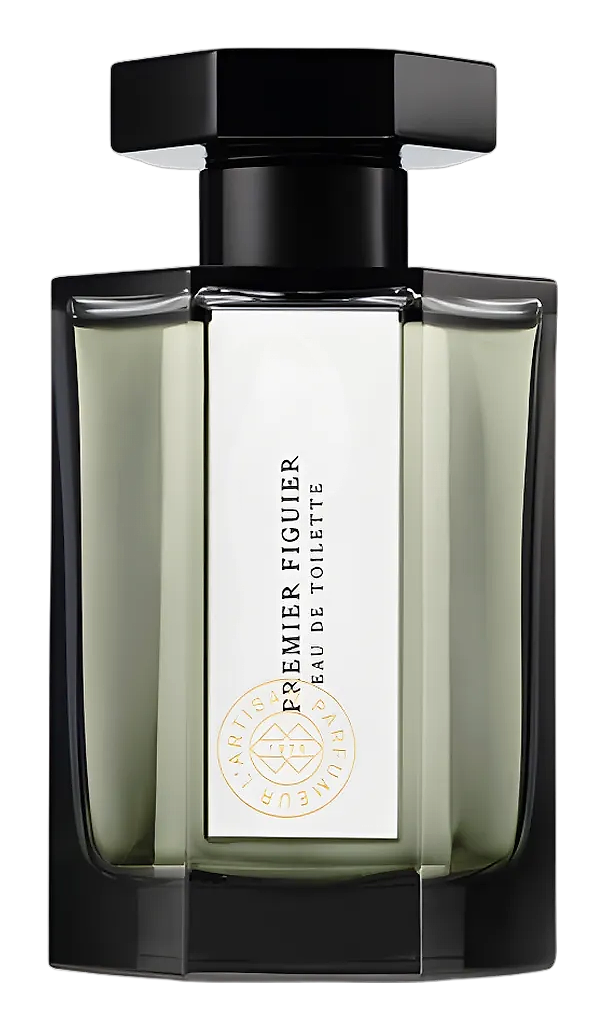
Fig at the top is greenest here, still holding its stem, still carrying the milky sweetness inside its skin. The opening doesn't announce itself. It arrives. Guatemalan cardamom gives the top notes an aromatic lift, something clean and bright that keeps the violet from going powdery and the fig from going sharp. In the heart, coconut comes early. Not the coconut of beach vacations, something quieter, more intimate. It wraps around the Brazilian tonka bean like a textile, making everything that follows feel softer. Papyrus adds a paper-like dryness that keeps the sweetness honest.
The evolution
The drydown arrives quietly. Sandalwood and cedar anchor everything, with sandalwood's creamy warmth meeting cedar's clean dryness. Musk adds something skin-close, intimate, without weight. The final hour smells less like perfume and more like skin. On clothes, the green fig note hangs longest, the top heart of the fragrance, still recognizable four hours in before everything softens. On bare skin, it gets warmer. The musk and sandalwood warm from within, becoming something personal and specific to the wearer. The drydown rewards patience. It rewards proximity.
Cultural impact
The Fouquet Collection honors the story between Albert Fouquet and the friend who taught him that elegance and wagering share something essential, both require knowing when to hold back and when to commit. Le Pari d'Honfleur carries that narrative into the present, translating the pleasure of a perfect afternoon into a fragrance that works quietly and lasts all day. The old-world refinement the house is known for stays intact: classical restraint for those who consider elegance a given, not a question.