The Story
Why it exists.
The beginning
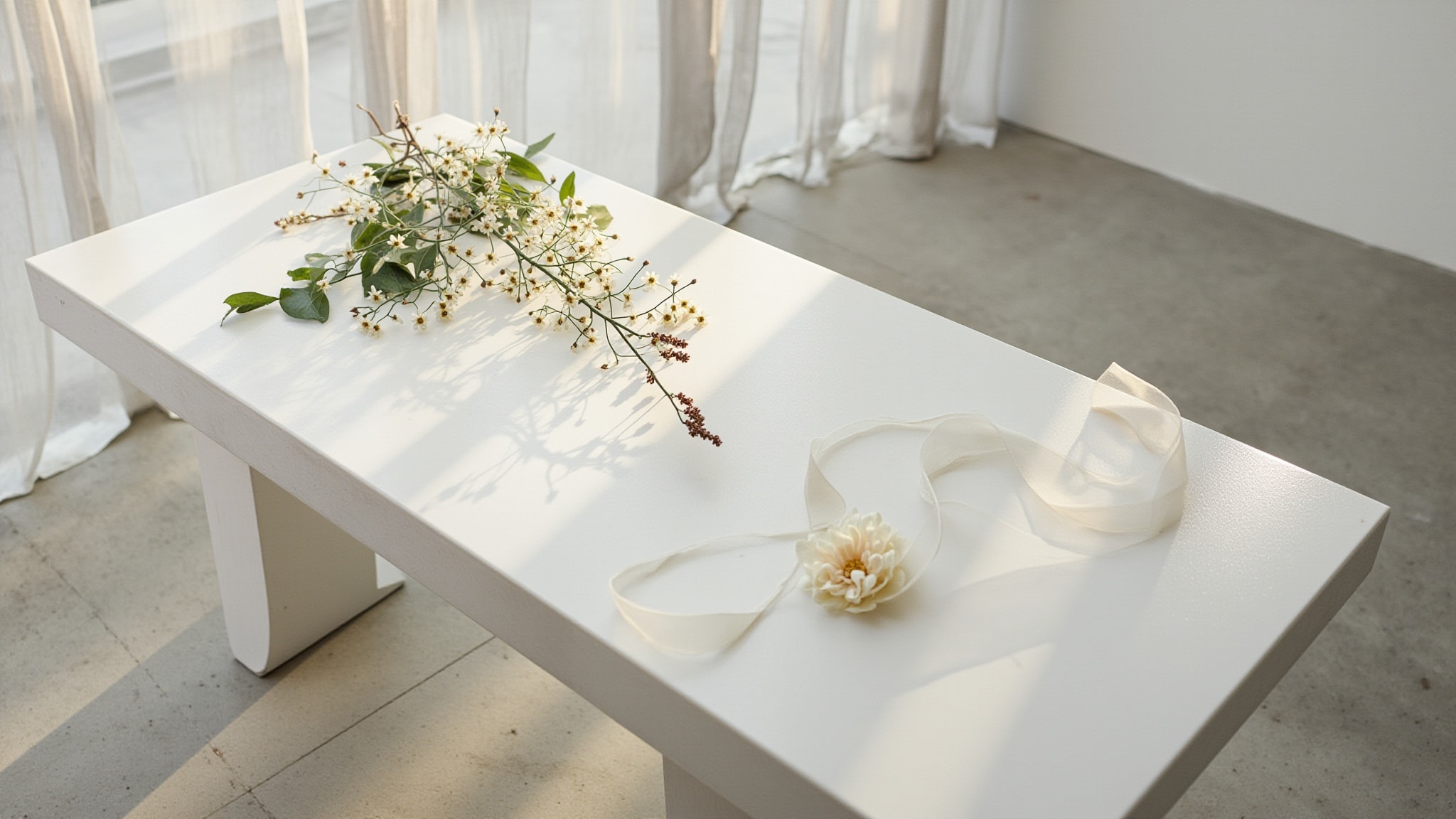
Wedding Bouquet grew from a single flower: stephanotis, the waxy white bloom threaded through bridal bouquets for generations. Perfumer Dawn Spencer Hurwitz built the composition around that star, then layered in its companions. Gardenia for weight, French lily for a cool whisper of green, and a touch of white rosebud for the sweetness that isn't really sweet at all. Bergamot slices the opening. It's a study in restraint, the kind of fragrance that earns its softness instead of being handed it. Every element serves the white-floral thesis. Nothing strays.
Stephanotis is a tricky material. In excess, it turns plastic, vaguely rubbery, the way some jasmine absolutes can read synthetic on skin. Hurwitz balances it with bergamot's citric brightness at the top, a brightness that fades just as the lily-gardenia heart takes hold. The white rose isn't there for romance; it's there for texture, a slightly honeyed warmth that prevents the whole thing from collapsing into cold. Iris and orris root in the base bring a powdery dustiness that reads as expensive without trying. And then the musk. Clean musk, the kind that holds a fragrance to skin rather than announcing it from across a room. This is botanical construction, not commercial shortcut.
The evolution
The first 15 minutes are bright. Bergamot does its citrus-electric thing, and for a moment the fragrance could pass for a clean cologne, something your dad might have kept in a medicine cabinet. Then the lily arrives. Cool. Almost watery, like the smell of a room that was just cleaned and someone left a window open. Gardenia follows within the half-hour, and the composition shifts toward cream. Not buttery cream, but the cool cream of a flower that hasn't been picked yet. The rose stays subtle, a thread rather than a ribbon, lending the heart a slight warmth. The green notes thread quietly underneath, giving the top a faintly vegetal lift before the florals take hold. There's something of a bridal wreath in the overall shape, something a florist would recognize, with lily and gardenia orbiting around a rose that never overplays its hand. By hour three, the base takes over.
Cultural impact
Wedding Bouquet centers on white flowers with a directness that feels almost editorial, as though the perfumer wanted to make the case for these particular blooms on their own terms. The gardenia note carries the composition with conviction, rendered with enough complexity to suggest the perfumer spent real time understanding how the flower actually smells rather than reaching for a shorthand version. The rose runs beneath everything, supportive rather than dominant, and the overall effect is one of careful arrangement rather than abundance.