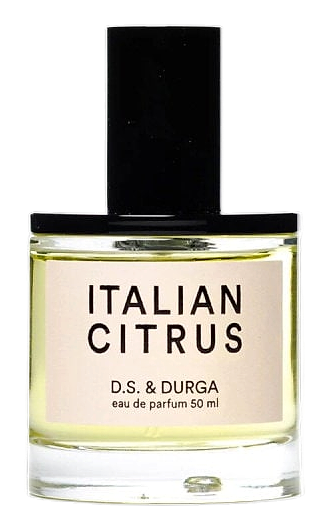

The Story
Why it exists.
The beginning
David Seth Moltz spent years translating feelings into fragrance, specific moments, precise atmospheres. Italian Citrus came from a fixation on what coastal Italy actually smells like, not the tourist version. Chinotto peel, blood orange, and Amalfi lemon aren't beach clichés here. They're the citrus rinds left on a dock after the boats come in, mixed with salt and something resinous underneath. Moltz built the composition around that contrast: the bright tart oils up top, then the frankincense and oakmoss settling below like the smell of old wood and warm stone.
The frankincense appears twice in the pyramid, in the heart and the base. That's not an accident. It means the resinous, slightly meditative quality arrives early and stays. The ambrette seed (from musk mallow, not animal musk) gives the drydown its clean, skin-close quality without any of the animalic weight. Chinotto, the bitter Italian citrus, adds a sharp, almost medicinal tartness that makes the lemon and orange feel less sweet, more alive. Oakmoss brings the earthiness that keeps the whole thing from floating away.
The evolution
The opening hits all four citrus notes at once. Bergamot, Amalfi lemon, red mandarin, Chinotto peel, the tart oils arrive together, not sequentially. It's bracing. Within minutes, the green mandarin and violet leaf soften the edges. The citrus doesn't fade so much as deepen, the way fruit becomes jam rather than disappearing. The frankincense announces itself early, around the 30-minute mark, and then stays. Copaiba balsam and oakmoss come up slowly from below, adding warmth and a faint bitterness that makes the drydown feel less like a beach and more like the stone wall behind it. The ambrette seed musk keeps everything close to the skin. Six to eight hours, moderate sillage, present without announcing itself.
Cultural impact
Italian Citrus became a reference point for anyone who wanted citrus with real depth. It arrived in 2011, before the wave of modern citrus-frankincense compositions, and showed that a cologne could have structure without sacrificing freshness. The moderate sillage made it office-appropriate without being invisible, a balance many wearers still seek.