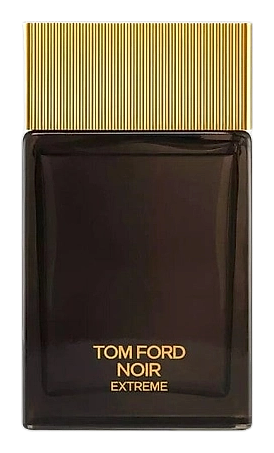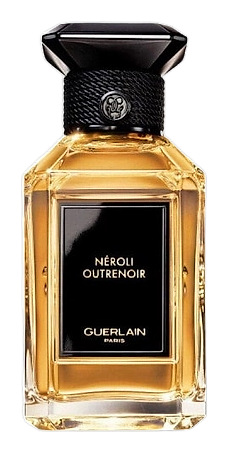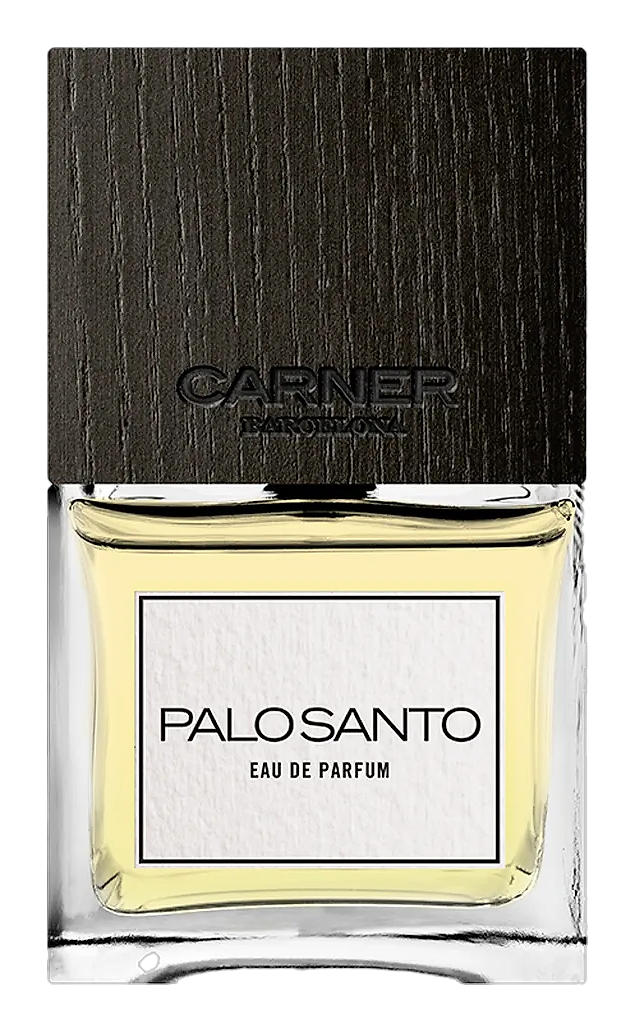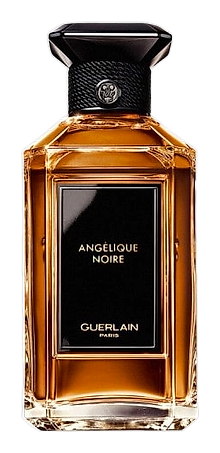
The Story
Why it exists.
The beginning
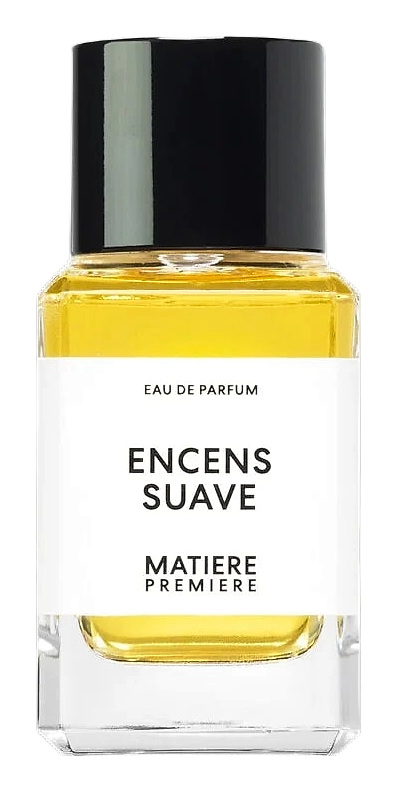
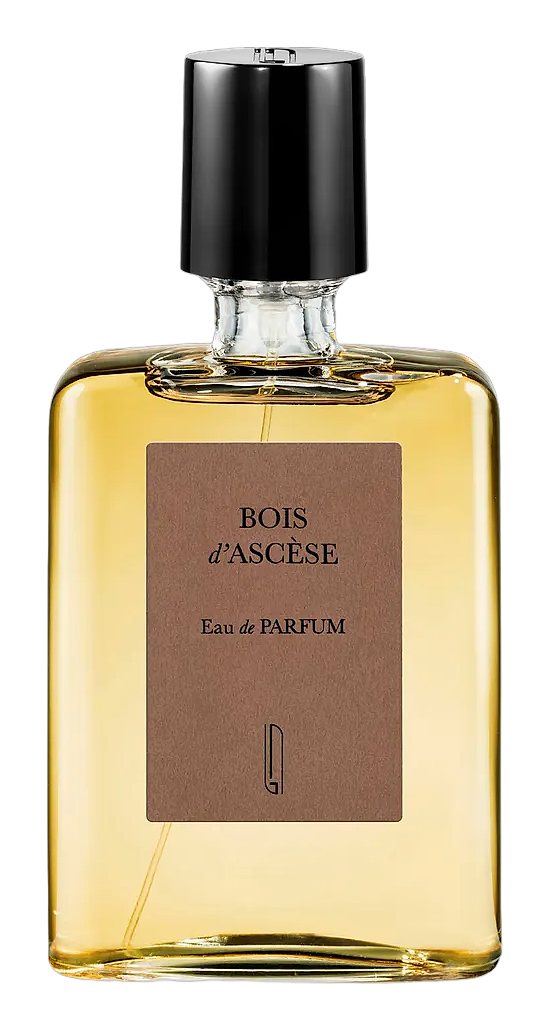
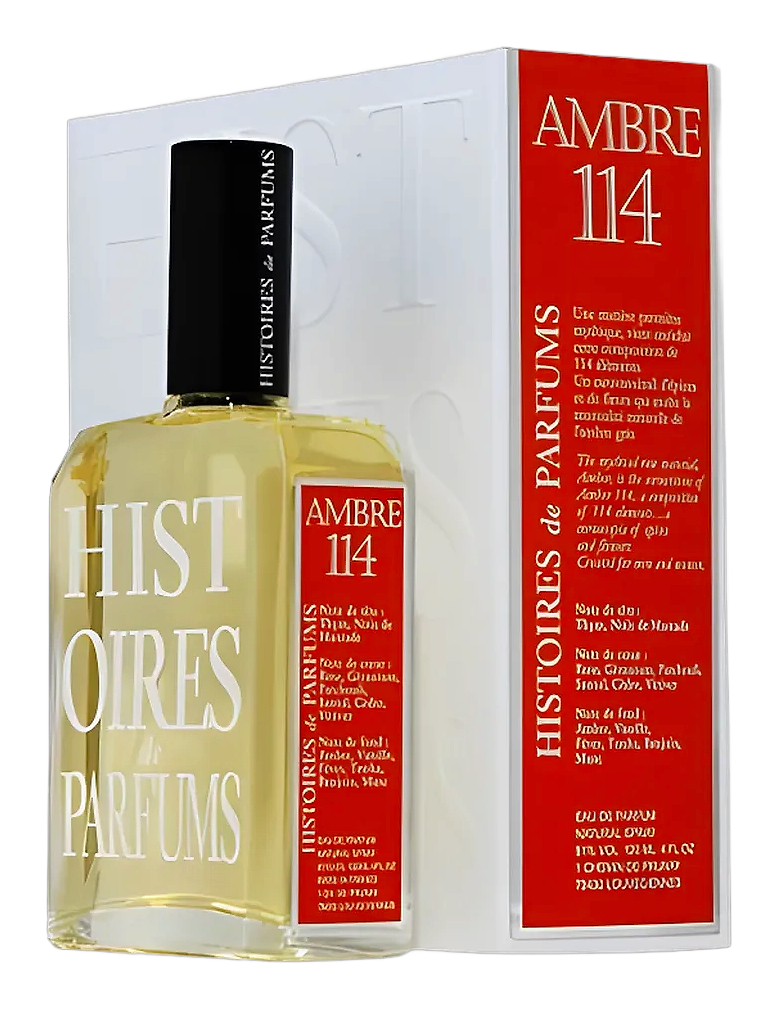
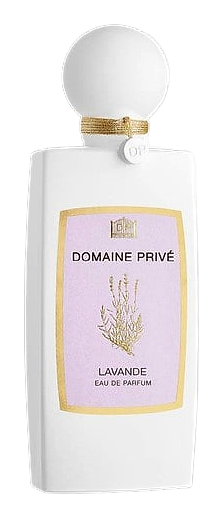
Lavender has a long history in French perfumery, typically relegated to supporting roles, a freshening agent for other compositions. Here, the house went the other direction. Lavender leads. Everything else serves it. Myrrh, with its dark resinous character, provides the counterweight. Cistus adds a faint sticky sweetness that bridges the herbal and the resinous. The result is a lavender that doesn't introduce itself and then disappear, it stays, it deepens, it earns attention on its own terms. That's the intent. Whether it succeeds depends on what you want from the herb.
Lavender's chemistry makes it a study in contradiction. Camphor and linalool coexist in the same plant, cool, almost medicinal clarity alongside sweet-floral warmth. Most fragrances use it for the former and apologize for the latter. Here, licorice amplifies that sweet-aniseed quality, pushing the herb further into territory most lavender waters never visit. Ambroxan adds a warm mineral quality that feels close and skin-like, grounding the composition rather than lifting it into the air. The result isn't a lavender for relaxation. It's a lavender for someone who already knows what they want.
The evolution
The opening hits with a sharp burst of lavender's camphorated edge, clean and immediate, herbal without being green. Myrrh arrives quickly, pushing the brightness toward something darker, almost smoky. The heart phase introduces violet leaf's coolness and white iris's powdery creaminess, but the licorice doesn't let go. It lingers in the middle, playing against the lavender's sweetness in a way that can feel either complementary or confrontational depending on your relationship with anise. The drydown belongs to incense and vetiver, resinous, slightly smoky, with Ambroxan adding a warm mineral salt that clings to fabric and skin for hours after application. The fragrance settles into a quiet, resinous finish that lingers in the background.
Cultural impact
Lavender has perfumed European lives for centuries, and this fragrance draws on that deep tradition. Myrrh brings ancient weight, traded across desert routes for millennia, while cistus connects to the resinous materials that have been used in perfumery across cultures. Together, these notes carry the gravity of history. This fragrance doesn't just smell like lavender, it speaks to the herb's enduring place in the perfumer's palette.