The Story
Why it exists.
The beginning
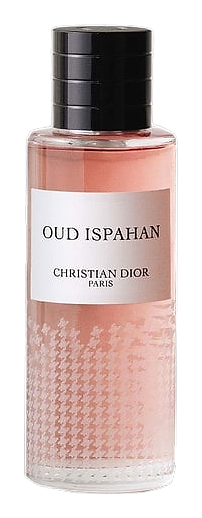
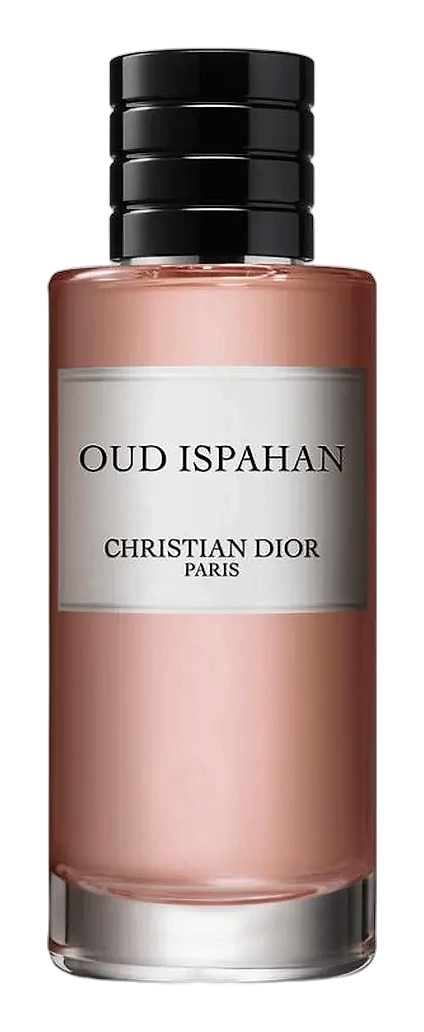
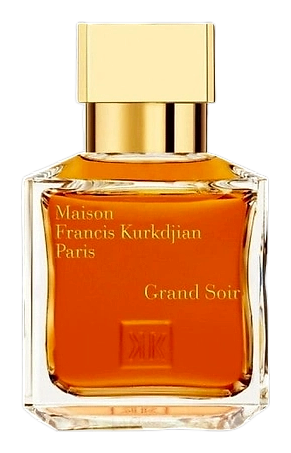
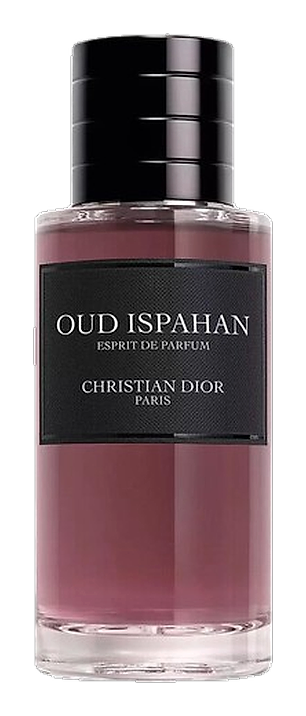
Oud Ispahan Esprit de Parfum isn't a replacement. It's the concentrated form of a House signature, elevated to something that behaves differently on skin. Dior's La Collection Privée Christian Dior houses the house's most rarefied compositions, extractions, absolutes, and now this: an Esprit de Parfum, a concentration that lives above extrait. Francis Kurkdjian created the original, a House signature, and this version carries the same architectural intent. The name refers to Isfahan, the historic Iranian city known for its aromatic heritage. Dior took inspiration from that legacy: a warm spice duo opens the composition, clove for its dry heat, cumin for its animalic depth, before the heart reveals itself as pure, dark Damask rose. The oud underneath is not decorative.
This concentration is the story. An Esprit de Parfum sits above extrait, more presence on skin for longer. What changes isn't just longevity, but how the fragrance moves through its phases: the opening arrives with more immediacy, the heart lasts longer, and the drydown arrives slower but extends further. With Oud Ispahan Esprit de Parfum, the spices, clove and cumin, work in tandem to create an opening that is warm, complex, and slightly unsettling in the best way. Clove adds its dry, slightly bitter warmth with medicinal precision.
The evolution
The first thirty minutes do the most work. Clove hits first, sharp, warm, almost medicinal in the way high-quality spice can be. The cumin follows closely, bringing its animalic depth into the composition. Together they create a warmth that feels almost physical, like heat radiating from skin. The rose doesn't wait long. By the second hour it is dominant, lush, honeyed, unmistakably Damask, and it doesn't share space gracefully. It pushes the spices to the edges while establishing itself as the heart of the composition. The oud underneath is building. Not loud yet, but present, a dark, resinous warmth that starts to anchor the rose as the drydown approaches. By hour four, the spices have receded almost entirely. The oud takes over as the primary material, smoky, deep, almost medicinal in the way real oud behaves on skin.
Cultural impact
Oud has been central to Middle Eastern perfumery for centuries, valued in religious ceremonies, traditional medicine, and personal fragrance across Arabia, Southeast Asia, and the Indian subcontinent. The raw material comes from Aquilaria trees only when infected with a specific mold, a rare occurrence that can take decades to develop, making natural oud one of the most expensive raw materials in perfumery. Dior's incorporation of oud into La Collection Privee marks the house's commitment to luxury fragrance heritage. Oud Ispahan bears the name of a historic Iranian city, a nod to the ingredient's longstanding regional significance.