The Story
Why it exists.
The beginning
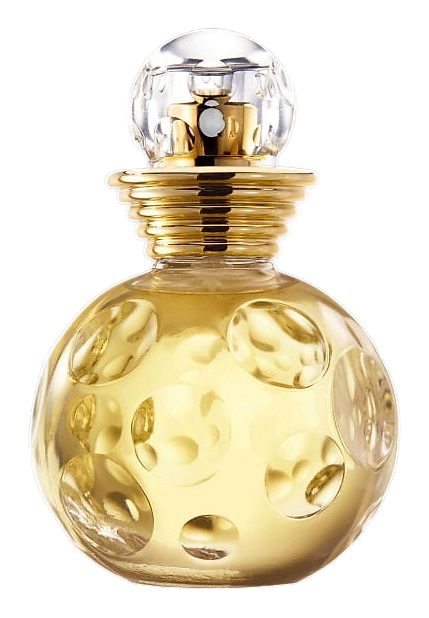
Pierre Bourdon signed Dolce Vita into the world in 1995, and the name did half the work before anyone uncapped the bottle. The title lands somewhere between philosophy and aperitif. Bourdon composed this one around a simple thesis, expressed through juice in a bottle. The official line called it the fragrance of happiness, and the composition bets on it. A fruity-floral heart spiked with cinnamon, dressed in florals that lean into light rather than darkness, all of it resting on sandalwood and vanilla. Not heavy. Not shy. Just the scent of someone who knows what an afternoon is for. The opening carries a brightness that announces itself without shouting.
The interesting move is what Bourdon left out. Dolce Vita is a 1990s fruity floral, and Bourdon pulled toward heliotrope, a powdery, almond-leaning note that does the soft-focus work without the candy coating. Pair it with cinnamon at the heart, and you get warmth that has edges. The peach and apricot pull their weight without tipping the whole thing into dessert. Sandalwood in the base does the heavy lifting that orris or patchouli might do elsewhere, but rounder, creamier. It's a composition that knows what restraint buys you.
The evolution
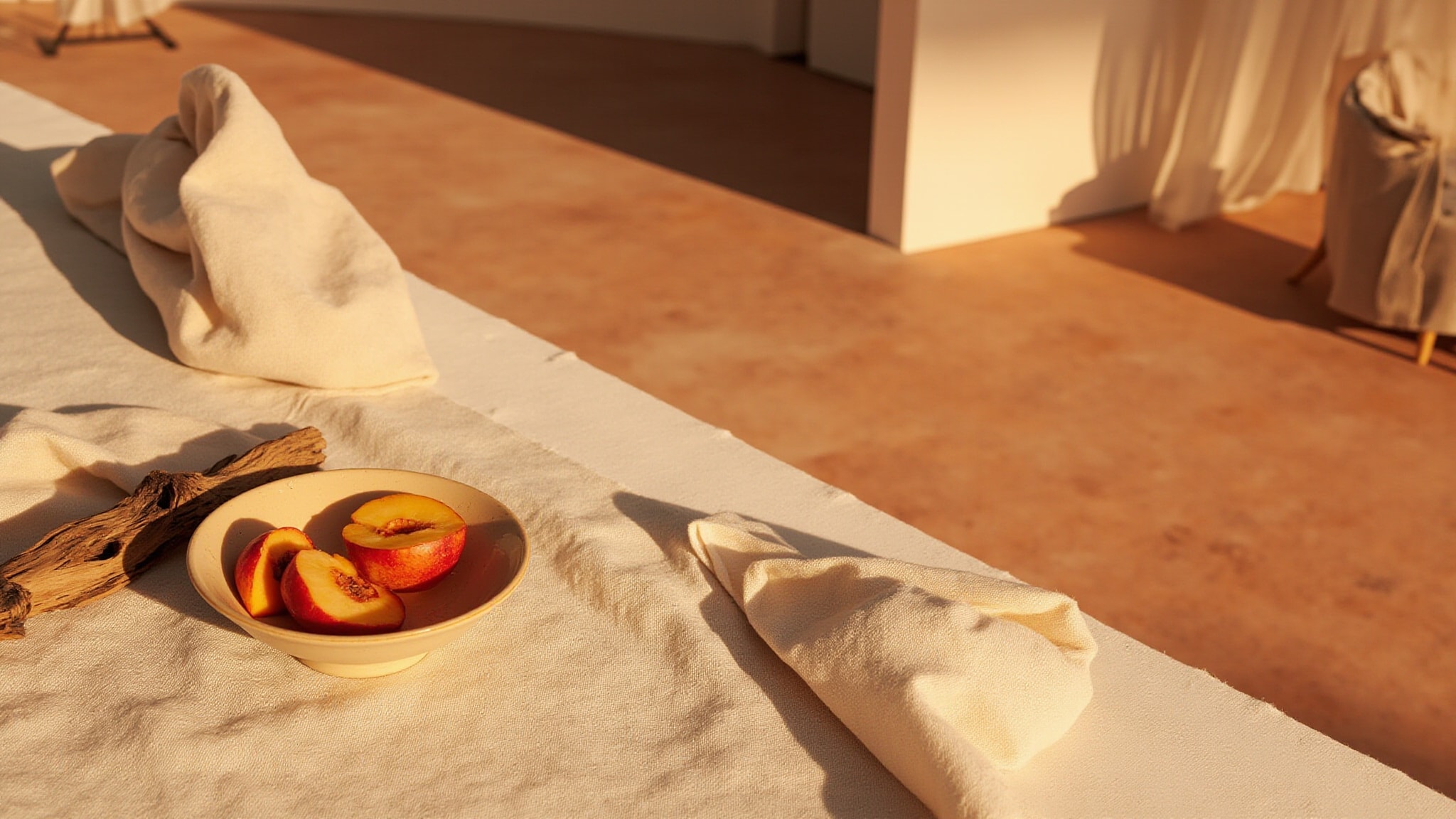
The first thirty minutes belong to magnolia and lily of the valley, which sounds demure until the peach and apricot show up and turn the whole opening into something that smells like biting into warm fruit in sunlight. The florals are there, but they're not leading. They're the tablecloth. Cinnamon arrives quietly through the first hour, more as a warmth at the back of the throat than a spice on the tongue. By the two-hour mark, the fruit has settled and the composition starts to feel like a memory of itself. Sandalwood takes the floor, vanilla rounds the corners, and heliotrope does something subtle and slightly powdery that you'll either love or not notice. The late drydown reads warm, close, and slightly almond-sweet. It doesn't project much once the top notes burn off. It doesn't need to.
Cultural impact
Dolce Vita arrived in 1995 as a fruity-floral with backbone, and it has held a loyal following since. Wearers tend to gravitate toward it as an evening or transitional-weather fragrance, the kind of scent that reads as put-together without trying too hard. It sits comfortably alongside other Dior fragrances from the era, carrying the house's signature warmth while leaning into its own sunlit register. What keeps wearers coming back is the composition's ability to feel both classic and specific to its moment.