The Story
Why it exists.
The beginning
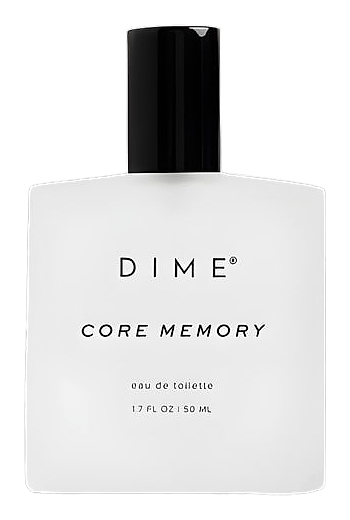
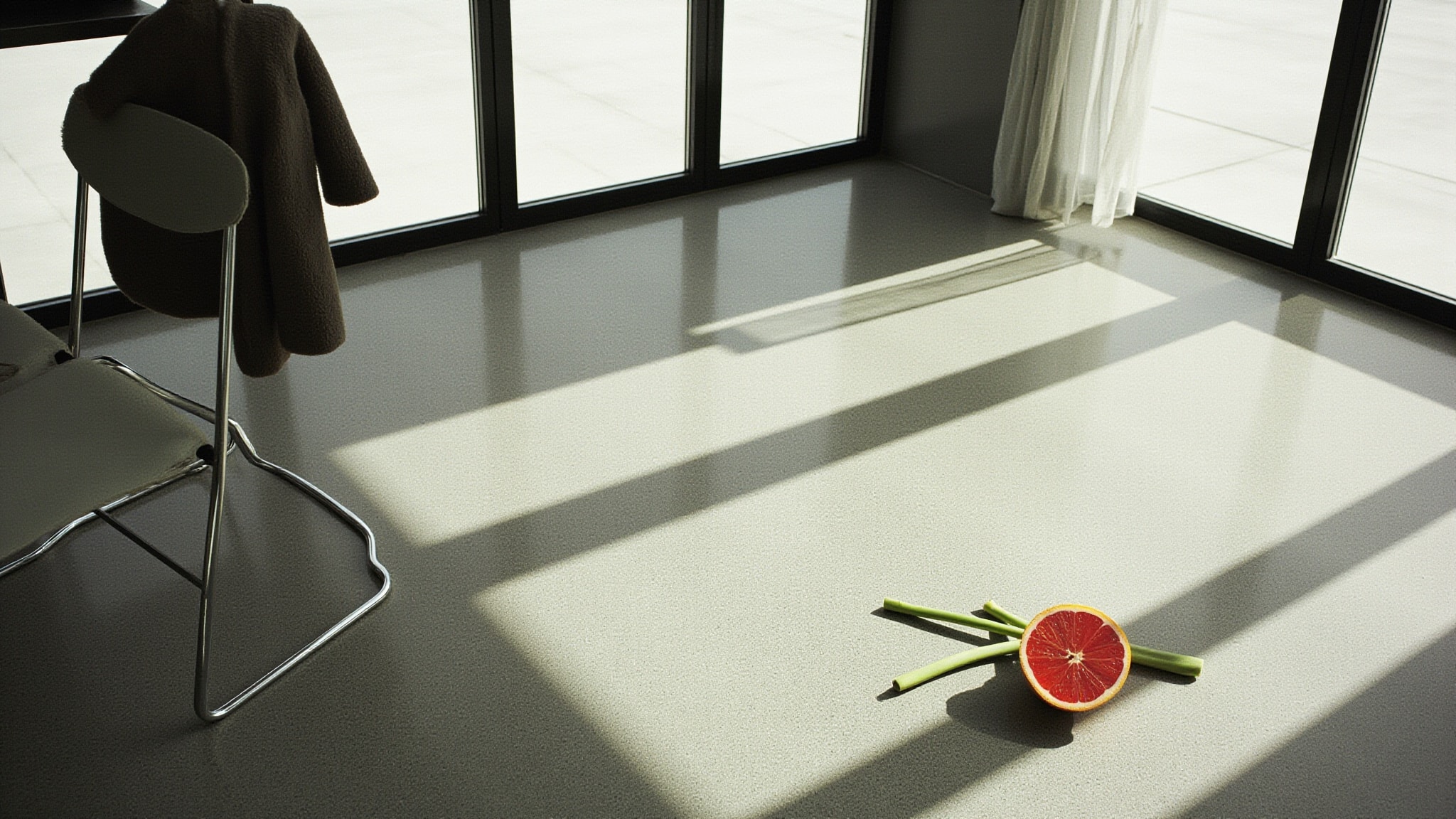
It started with a question: what does morning light smell like? Not golden hour, not sunset, the harder light. The kind that doesn't flatter. Bergamot and bamboo became the twin anchors, one that cuts, one that settles. The result is a fragrance that opens like a window thrown open in a small room, then stays.
The bamboo is the tell. Most fragrances in this category lean on aquatics or white florals for their fresh character. Core Memory reaches for bamboo instead, an herbal, slightly medicinal green that smells like the stalk, not the abstraction. Juniper amplifies this, adding a gin-bright sharpness that keeps the florals from going sweet. The bluebell and rosemary deepen the green while the rose and jasmine provide just enough softness to keep it from going austere.
The evolution
The drydown is where the composition earns its name. Bergamot and mandarin retreat first, leaving the apple and grapefruit to soften for an hour or two. Then the florals begin to fade, one by one. But the bamboo doesn't. It sits in the base like a memory of green, not fresh-cut, not potted-plant green, but the deep, settled green of something that has been growing for a while. Cedar follows, adding warmth and a dry woody finish that lasts into the evening. On fabric, the bamboo and cedar persist for days, the reason wearers describe this as the scent that stays.
Cultural impact
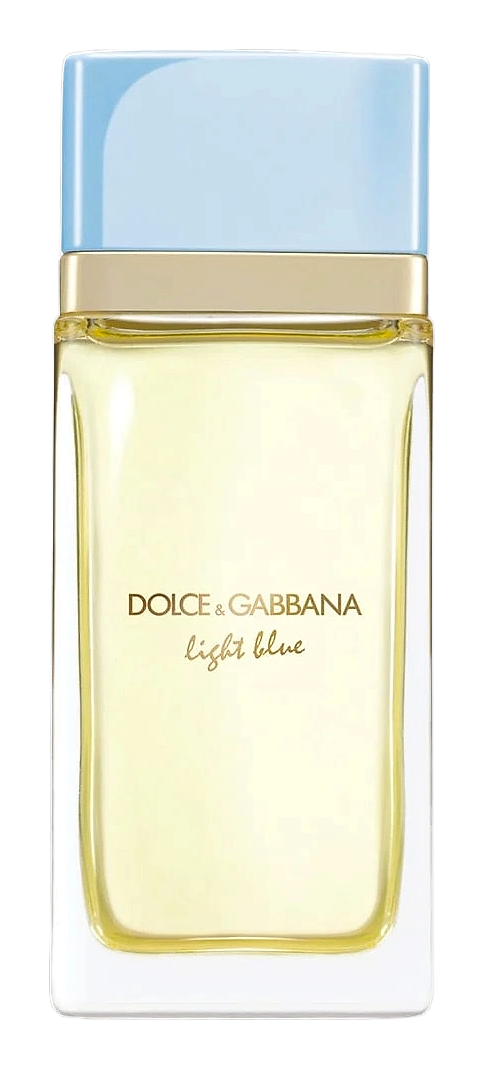
Core Memory resonates with wearers who want a light, fresh fragrance without the performance pressure. It sits comfortably alongside bright citruses like Light Blue and Bal d'Afrique, the kind of scent that works when you don't want to announce yourself. The clean beauty positioning and bamboo-led composition give it a point of difference in a crowded fresh-floral space.