
The Story
Why it exists.
The beginning
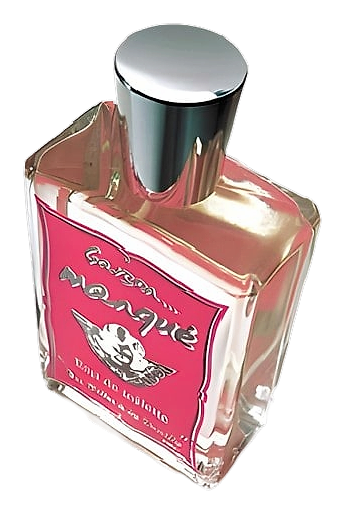
Garçon Manqué belongs to Des Filles à la Vanille, and the name itself translates loosely as "the boy who was missing" or "the one who got away," a phrase carrying a particular ache in French, the kind reserved for someone not quite one thing or another. The composition reads as a quiet study in androgynous tenderness. Rose and peach on the surface, cedarwood and jasmine grounding the whole thing in something more textured than the opening suggests, with vanilla threading through the middle as a soft connective tissue rather than the loudest voice in the room. It is a scent built around a feeling of almost, of approach without arrival. There is a restraint to the way the notes are arranged, a willingness to let each ingredient hold its own space without crowding the others.
What gives this composition its particular character is the way the jasmine sits low, woven through the cedarwood and musk, adding skin-warmth rather than running the show with indolic sweetness. The peach-vanilla pairing leans soft and rounded, but the rose on top keeps things lifted, and the cedarwood underneath refuses sweetness the last word. Every element seems aware of the others, holding back just enough to let the whole thing breathe.
The evolution
The first ten minutes belong almost entirely to rose, fresh and dewy, the kind that reads pink rather than red. Then the peach arrives, not jammy or candied but cool and slightly fuzzy, like skin warmed by summer. Vanilla enters from underneath the peach rather than beside it, building a bed of soft warmth that the top notes keep at arm's length. Somewhere around the one-hour mark the cedarwood surfaces, dry and clean, and the jasmine begins its slow work in the base, lending the musk a faintly narcotic undertone. By hour three the peach has gone entirely, the rose has faded to a memory, and what remains is a close-hung blend of vanilla, cedar, and jasmine on musk, warm, a little powdery, and unexpectedly clean.
Cultural impact
Garçon Manqué holds a particular place within the rose-peach-vanilla family of compositions, distinguished by the way it balances softness with structure. Its dry, clean cedarwood base sets it apart from sweeter interpretations of similar note combinations, giving the fragrance an androgynous character that resists easy categorization. The composition appeals to those who prefer their fragrances understated, who value subtlety over projection and mood over statement. Within the Des Filles à la Vanille line itself, Garçon Manqué occupies a distinctive position, one that trades overt sweetness for a more contemplative warmth.