The Story
Why it exists.
The beginning
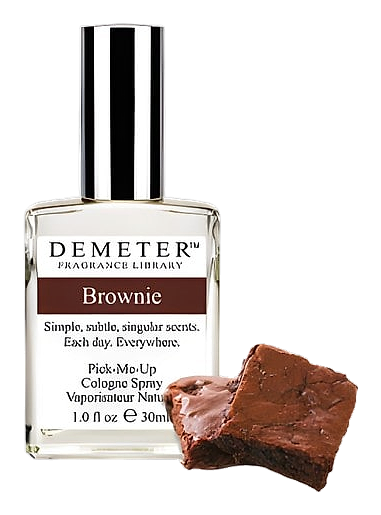
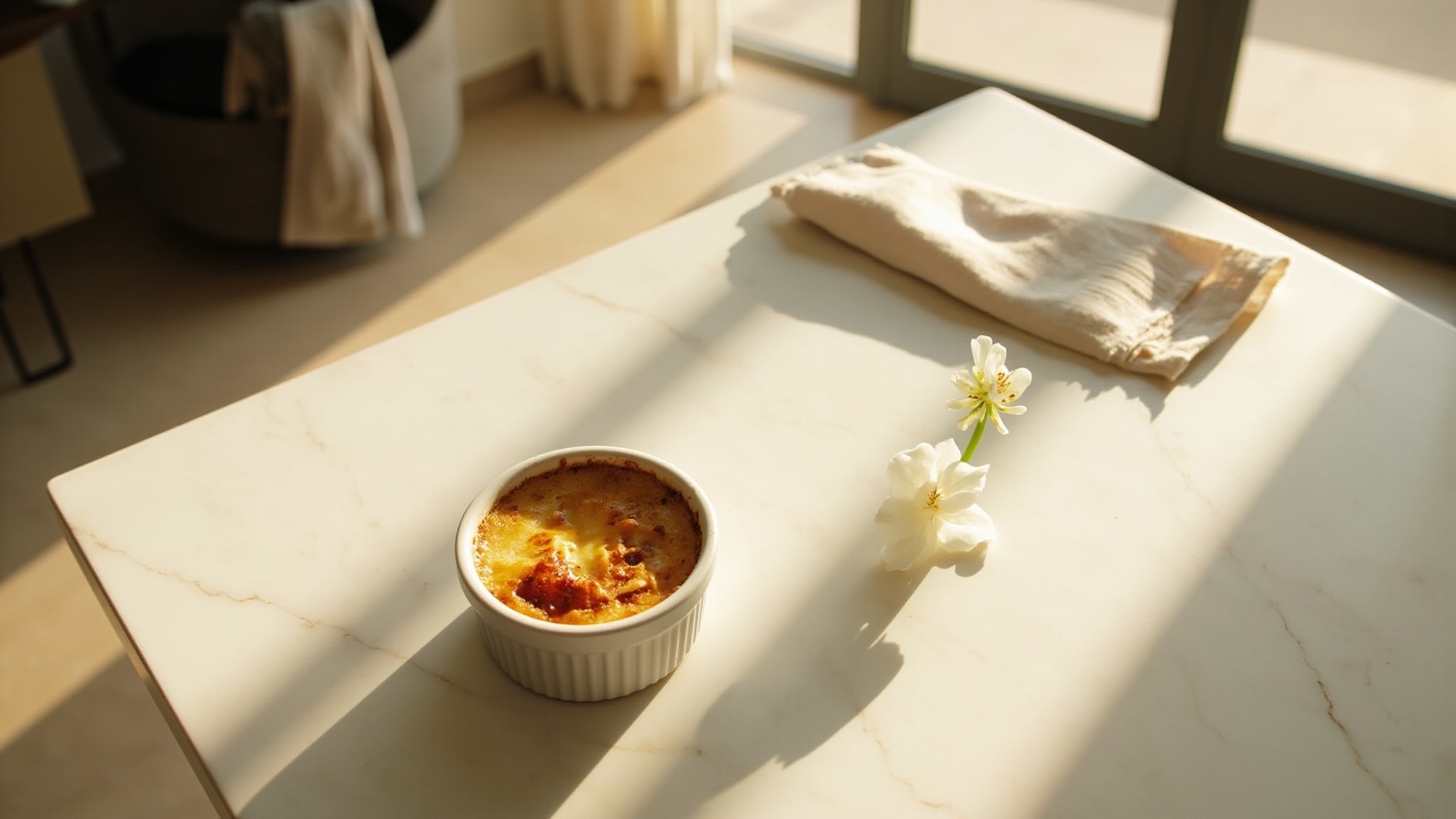
Crème Brûlée comes from Demeter Fragrance Library, a house built around bottling the smells of ordinary life. The brand built its catalog around a simple premise: a single scent, presented honestly, can be as compelling as a complex composition. The kitchen is one of their favorite territories. Demeter has long translated edible memories into wearable form, treating a torched custard the same way it treats a thunderstorm or a laundromat, as a moment worth capturing in a bottle. Crème Brûlée fits squarely into that philosophy. It takes one specific dessert, the crack of caramelized sugar over cold vanilla custard, and isolates it. No floral distractions, no woody undertow. Just the thing itself, sweetened and softened for skin.
What makes this fragrance distinctive is its refusal to dress up. Where most gourmand compositions layer caramel with spices, woods, or florals to add depth, Crème Brûlée stays committed to the dairy case. Vanilla, caramel, and spun sugar do much of the work, creating a sweetness that reads as dessert rather than perfume. The result is a scent that smells less like a fragrance and more like a memory of finishing someone else's dessert. The opening leans heavily into the caramelized sugar note, that hot, just-torched crackle, before the vanilla rounds out the edges.
The evolution
The first ten minutes are the loudest. A sharp hit of caramelized sugar, almost burnt at the edges, like a torch held a second too long over the ramekin. Underneath it, vanilla is already warming up, softening the sweetness before it tips into syrup territory. By the thirty-minute mark, the spun sugar settles. The burnt edge fades. What remains is a round, milky vanilla with a persistent caramel thread, the kind of sweetness that feels less like a dessert course and more like the smell of a kitchen an hour after everyone has left. As the hours pass, the fragrance stays close to the skin, a quiet companion rather than a loud announcement. The drydown is gentle: cream and sugar melted into something that reads more like warm fabric than food. On clothing the next morning, it surfaces as a faint powdered sweetness, the ghost of a dessert you can't quite name.
Cultural impact
Crème Brûlée sits within Demeter's long-running food-and-memory catalog, a library that has treated the smell of a laundromat, a thunderstorm, and a slice of cake with the same curiosity. The fragrance appeals to anyone who has ever wished a dessert could last past the table, or who finds comfort in scents that read instantly and without pretense. It wears easily, reads immediately, and doesn't ask for an occasion. There's a democratic quality to that approach: no decoding required, no fragrance vocabulary needed, just a clear, sweet impression that lands on the nose and stays there.