
The Story
Why it exists.
The beginning
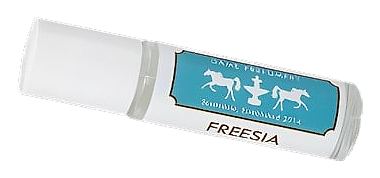
Jeffrey Dame built the Soliflore line around a simple idea: one flower, done right. No supporting cast, no clever base notes to make it interesting. Just the real thing, rendered with enough skill that you don't need decoration. Each bottle in the series isolates a single botanical and asks it to carry the entire composition on its own terms. Freesia was an unusual choice for a soliflore. Dame treated it like a star anyway, with the goal of photorealism: the peppery snap of the petals, the cool green of the stems, the way freesia smells less like a flower and more like a garden after rain. There's a green-soil quality in the opening, almost vegetal, like crushed leaves still wet from watering.
Freesia has a built-in tension that most white florals lack. It carries a peppery, almost green bite that pushes back against its own sweetness, which means a good freesia soliflore has to honor that edge without letting it tip into something sharp or soapy. The whole composition hangs on that balance. Get the green-pepper note right and the flower feels alive. Smooth it out and you get just another pretty white floral that could be anything.
The evolution
The first 20 minutes are the greenest part. Pepper, cool stem-water, that raw-alive quality of a freshly cut stalk. It doesn't smell like perfume yet. It smells like the garden before anyone arranged it. Then the flower opens. The sweetness arrives, but it never fully takes over. The pepper stays threaded through the heart, keeping things lifted and bright. Around the 2-hour mark the composition settles into something warmer and creamier, a soft floral musk that sits close to skin. It loses some of its snap here, but gains a quiet intimacy. By hour 4-5 it's a skin scent, warm and faintly powdery in the way freesia does when it's fading. Doesn't project past an arm's length. Doesn't need to. What's left is the ghost of that garden, the smell of stems after the flowers are gone.
Cultural impact
Soliflore Freesia is a study in what happens when a flower usually treated as scenery gets promoted to the lead role. Most soliflores focus on showier botanicals: rose, jasmine, tuberose. Freesia rarely gets that treatment, which makes this particular composition a quiet anomaly in the category. It's the fragrance for someone who wants to know what freesia actually smells like when nothing else is competing for attention. On skin, the opening leans green and sharp, almost like biting into a fresh stem. The peppery quality comes through early, giving the composition a kind of nervous energy that keeps it from feeling too sweet or too soft.