The Heritage
The Story of Dame Perfumery
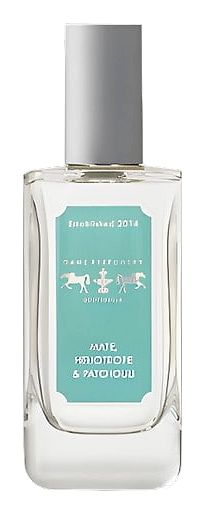
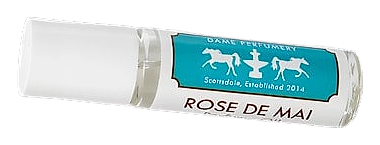
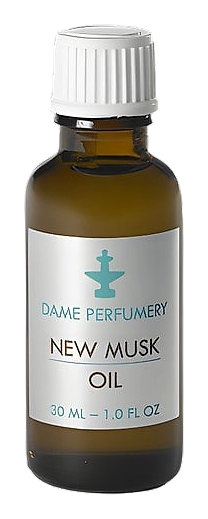
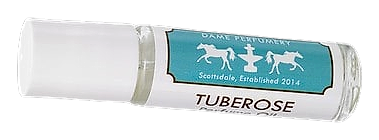
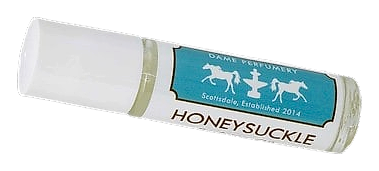
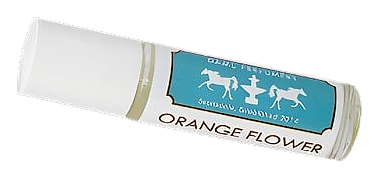
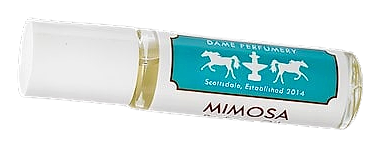
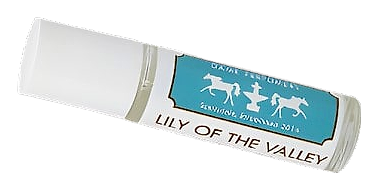
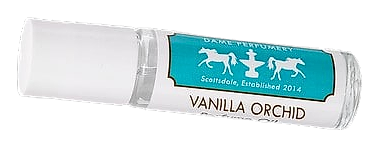
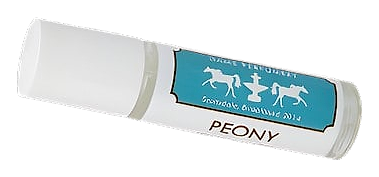
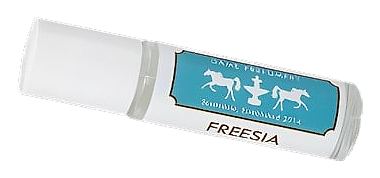
Dame Perfumery creates small‑batch fragrances that blend classic techniques with contemporary sensibility. Founded in the United States, the house offers scents for both women and men, each presented in clean glass vessels. The brand emphasizes everyday wearability, inviting collectors to explore a curated library of notes ranging from fresh citrus to warm woods. Its portfolio includes Soliflore Rose De Mai, New Musk, Minty Man and a range of perfume oils, all formulated to linger without overwhelming the wearer.
Heritage
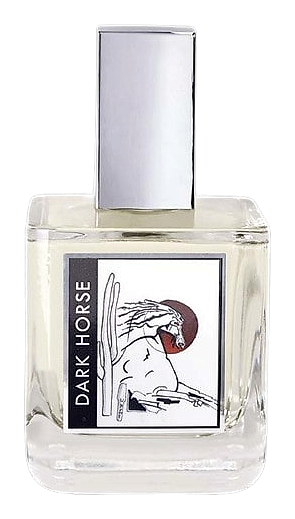
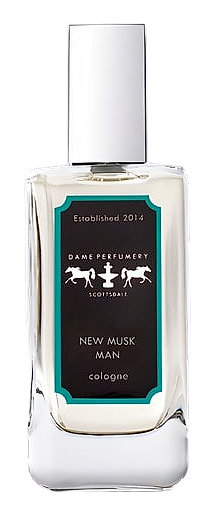
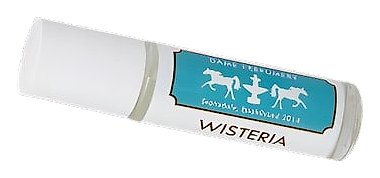
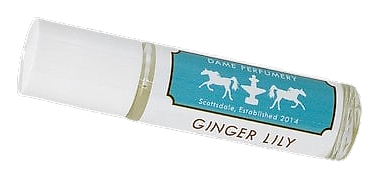
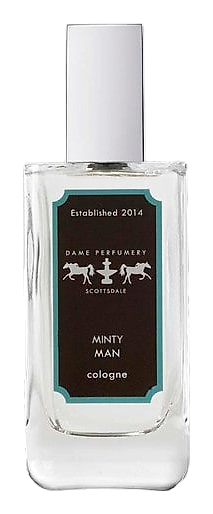
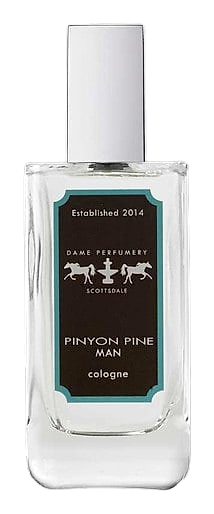
Jeffrey Dame launched Dame Perfumery in 2014 after a career that spanned fashion houses in Paris and New York. He moved to the United States and settled in Scottsdale, Arizona, where he began experimenting with scent in a modest studio. The first public release arrived in 2015 with Soliflore Rose De Mai, a floral composition that received attention from niche‑fragrance blogs. Building on that momentum, the house introduced Soliflore Wisteria in 2016 and Soliflore Ginger Lily in 2019, expanding its Soliflore line to capture seasonal botanicals. In 2018 the brand entered the men’s segment with Minty Man, a fresh aromatic that contrasted with its more floral offerings. The following years saw the addition of Pinyon Pine Man (2022) and the New Musk series, which includes both an eau de parfum and a perfume oil launched in 2015. Throughout its first decade, Dame Perfumery has remained independent, sourcing ingredients primarily from the United States and Europe while maintaining production in a small‑scale facility. The house has cultivated a community of scent enthusiasts through a newsletter and occasional pop‑up events, allowing direct feedback to shape future releases. By 2023 the brand celebrated its tenth anniversary with a limited edition reinterpretation of Dark Horse, a fragrance originally released in 2015, underscoring its commitment to revisiting and refining earlier work.
Craftsmanship
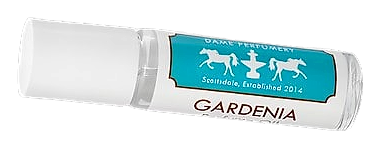
Production takes place in a dedicated workshop in Arizona, where a small team handles formulation, blending, and bottling. The process begins with a scent brief that outlines the desired emotional tone and primary notes. Jeffrey Dame then selects raw materials, mixing natural extracts such as bergamot, jasmine or pine with synthetics that provide stability and depth. Ingredients are sourced from established European farms and American suppliers who meet the house’s quality standards. Each batch undergoes a stability test that measures scent evolution over a 12‑month period, ensuring consistency across bottles. The perfume oil line, introduced in 2015, uses a carrier base of fractionated jojoba, allowing the fragrance to sit closer to the skin and extend longevity. Bottles are hand‑filled using calibrated pipettes to maintain precise volume, and caps are sealed with a tamper‑evident liner. After filling, each unit passes a visual inspection for clarity, label alignment and seal integrity. The final product is boxed in recyclable paper with a minimalist label that lists the fragrance name, concentration and a brief note description. This hands‑on approach reflects the brand’s commitment to artisanal quality while adhering to industry safety regulations.
Design Language
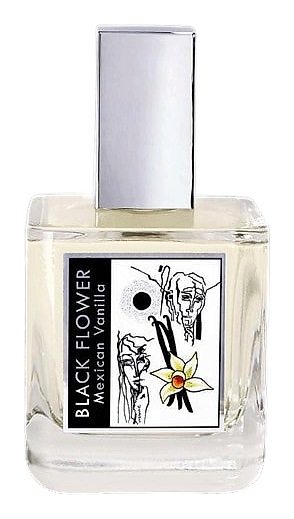
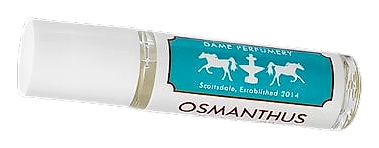
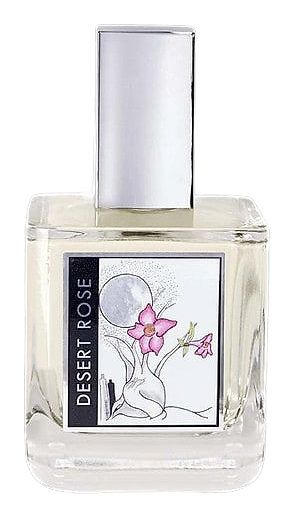
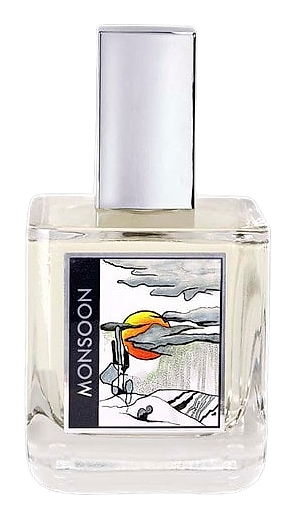
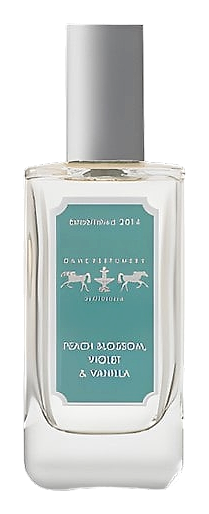
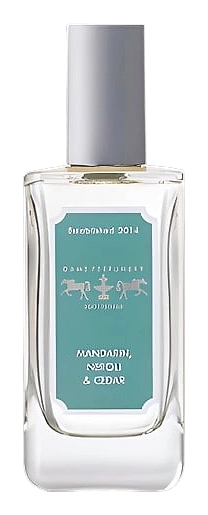
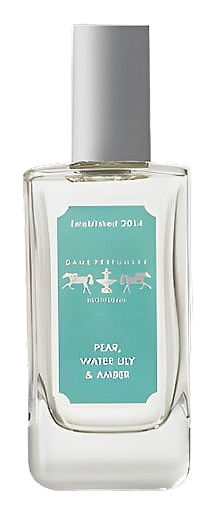
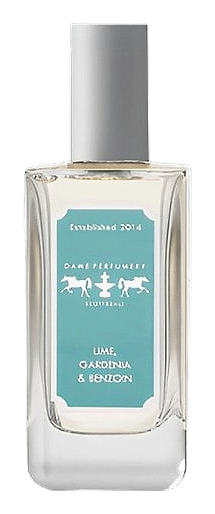
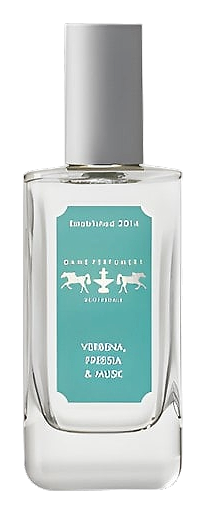
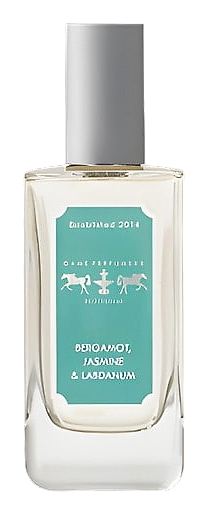
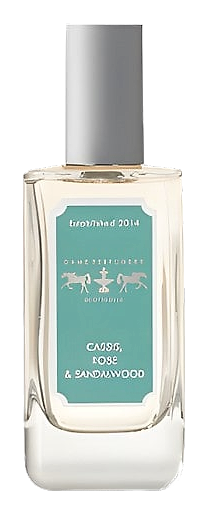
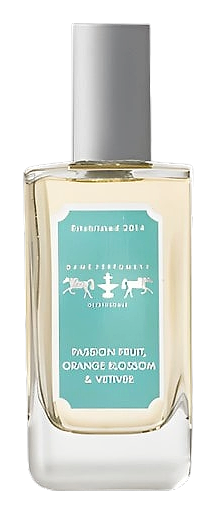
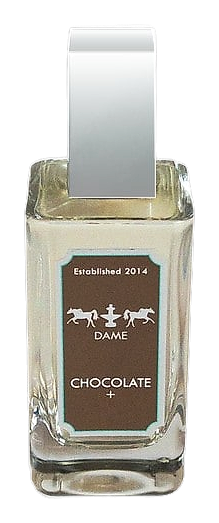
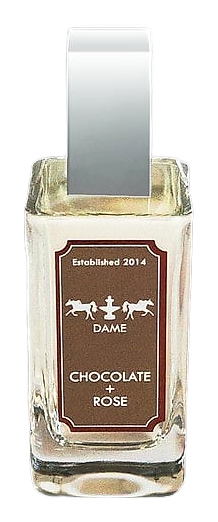
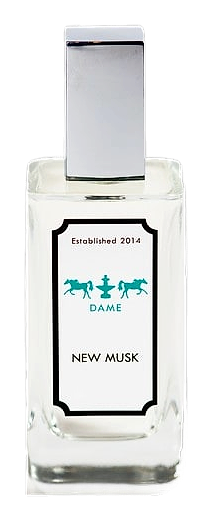
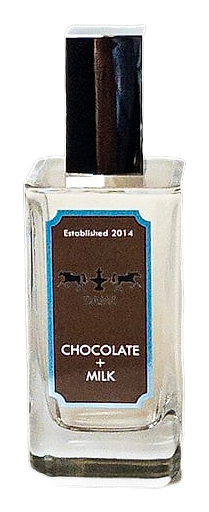
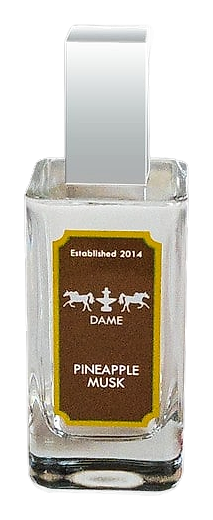
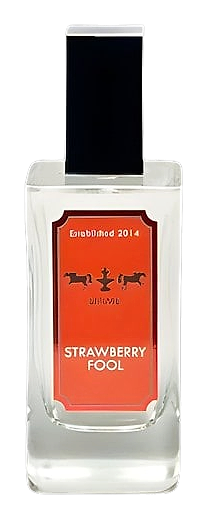
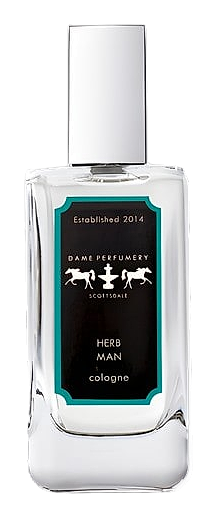
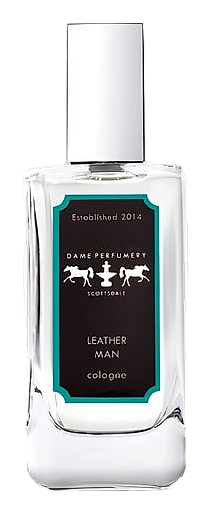
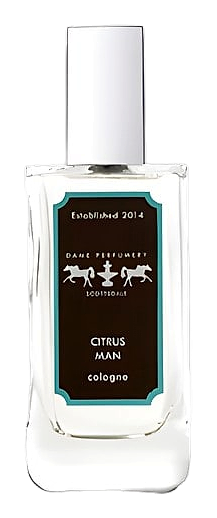
The visual language of Dame Perfumery favors restraint. Bottles are clear glass with a slim profile, topped by a brushed metal or matte black cap that echoes the scent’s character—silver for fresh compositions, dark for deeper woods. Labels employ a sans‑serif typeface in black or dark gray, set against a white background, providing a clean reading experience. The brand’s logo features the word "Dame" in capital letters, accompanied by a subtle underline that suggests a signature line. Packaging boxes use thick, uncoated paper with a soft-touch finish, reinforcing the tactile quality of the product. Seasonal releases sometimes incorporate a colored accent strip on the label to hint at the dominant note, such as a pale green for Minty Man or a muted rose hue for Soliflore Rose De Mai. Marketing imagery often shows the fragrance placed on natural textures—wood, marble or linen—highlighting the scent’s connection to everyday environments. This aesthetic aligns with the house’s philosophy of understated elegance, allowing the perfume itself to command attention without visual clutter.
Philosophy
Dame Perfumery approaches scent as a personal ritual rather than a statement. Jeffrey Dame describes his vision as a blend of his fashion background and a desire to make perfume approachable for daily life. The house prioritizes clarity of composition, avoiding overly complex accords that mask the core ingredients. Each fragrance is designed to be layered, encouraging wearers to experiment with combinations that reflect mood and season. Sustainability informs ingredient choices; the brand prefers responsibly harvested botanicals and works with suppliers who provide traceability reports. Transparency extends to packaging, where the label lists key notes and concentration type, allowing consumers to make informed decisions. The brand also values education, sharing brief scent stories on its website and in newsletters, helping collectors understand the narrative behind each launch. This philosophy positions Dame Perfumery as a bridge between the niche market’s artistry and the broader public’s desire for reliable, well‑crafted perfume.
Key Milestones
2014
Jeffrey Dame establishes Dame Perfumery in Scottsdale, Arizona
2015
Launch of Soliflore Rose De Mai and New Musk Perfume Oil
2016
Release of Soliflore Wisteria, expanding the Soliflore collection
2018
Introduction of Minty Man, marking the brand's entry into men's fragrance
2019
Soliflore Ginger Lily debuts, showcasing a fresh floral‑spice blend
2021
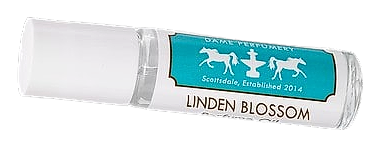
Soliflore Linden Blossom arrives, emphasizing a light, airy profile
At a Glance
Brand profile snapshot
Origin
United States
Founded
2014
Heritage
12
Years active
Collection
1
Fragrances released
Avg Rating
4.5
Community sentiment
Release Rhythm


