The Story
Why it exists.
The beginning
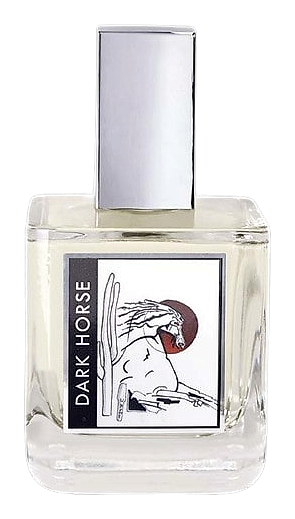
Soliflore Tuberose came out in 2015, according to Fragrantica's listing for the composition. It belongs to the Soliflore line from Dame Perfumery, a house operating out of a workshop in Scottsdale, Arizona. The idea behind the line is a simple one, rooted in the soliflore tradition: take a single botanical and present it as a complete composition rather than as one ingredient inside a larger blend. Tuberose fits that brief naturally. It's a flower that tends to dominate whatever it's placed inside, loud and indolic and impossible to ignore. Strip away everything else, and the question becomes whether the flower itself can carry an entire fragrance on its own terms. Dame's description lands on that same note.
Building a soliflore around tuberose means the material has to earn its place. There are no supporting notes to round out rough edges or carry the composition when the flower wavers. The extract itself needs enough character to read as a complete scent: green stem notes that keep the sweetness from collapsing, that slightly indolic edge that real tuberose carries in the garden, a waxy creaminess that holds the bloom together on skin.
The evolution
The fragrance opens with a dewy, almost green whisper, as if catching the flower before sunrise. That cool, vegetal quality sits at the front for the first few moments, a stem-fresh entry that grounds the composition before the bloom takes over. Within minutes, the indolic heart of tuberose rises, creamy, waxy, and unmistakable. The flower opens up fully, filling the space with its dense, almost tropical sweetness, the kind of scent that feels like it belongs in a garden at midday when the heat pulls every last note out of the petals. As the hours pass, the green edge softens, and the tuberose settles into something warmer and quieter. The bloom doesn't disappear so much as it relaxes, leaving an impression of petals resting on warm linen, still present, still readable, but no longer shouting.
Cultural impact
Within the indie fragrance space, Soliflore Tuberose occupies a specific niche: the single-flower composition treated as a finished work rather than as an accord inside a larger formula. The Dame take leans into a kind of American restraint, an approach that strips away theatrics and lets the raw botanical speak for itself. There's no conceptual scaffolding, no artistic statement layered on top, just tuberose and a clean glass bottle.