
The Story
Why it exists.
The beginning
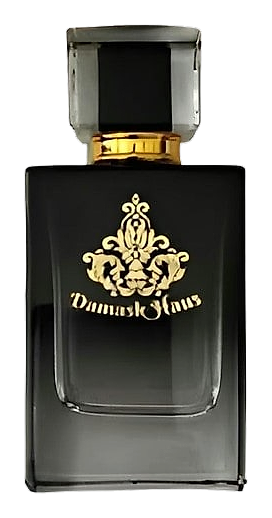
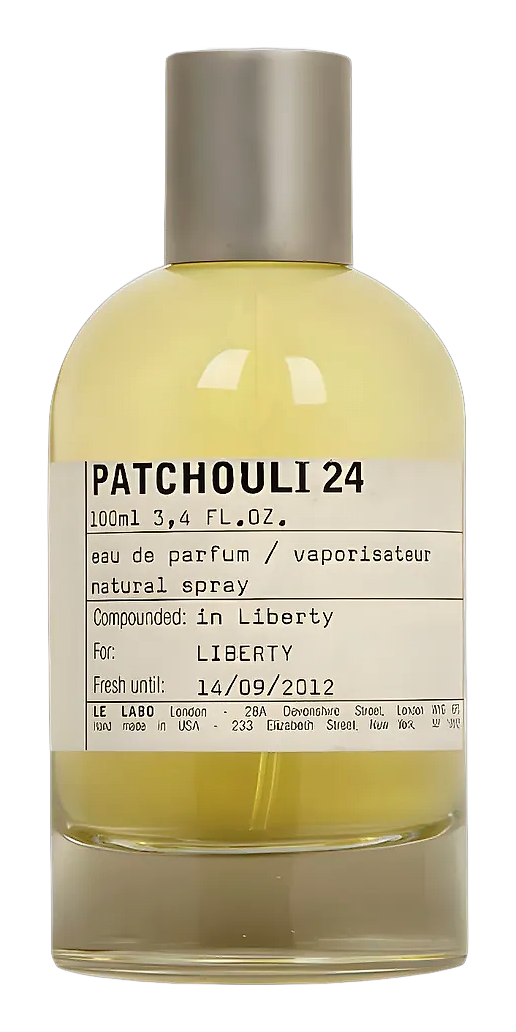
Selkie translates a specific sensory idea into composition: petrichor, the smell of rain hitting dry ground, meeting sea-touched air, anchored by an earthbound moss and wood base that recalls shoreline and stone after weather has passed. The opening reads cool, mineral, and wet without tipping into the sterile ozonic territory that haunts most aquatic fragrances. Petrichor and marine notes share the heart, neither dominating, while patchouli, oakmoss, ambergris, fir, and cashmeran build the structural weight underneath. What emerges is something genuinely aquatic but rooted, less like a shower gel accord and more like a place where cold water meets mossy rock.
The heart of Selkie is petrichor and sea water, but the real structural weight sits in the base, where patchouli, oakmoss, ambergris, fir, and cashmeran do the heavy lifting. That base keeps the fragrance from disappearing into ozonic pleasantness and gives it the mossy, slightly feral undertone that makes it read as a place rather than a weather report. The animalic and mossy accords in the drydown carry more weight here than the aquatic elements, which feel almost incidental by comparison.
The evolution
The opening minutes are all atmosphere. Ozonic notes land sharp and bright, carrying that static-charge quality that precedes a thunderstorm. Then the shift arrives: petrichor and the sea notes move in together, and the composition reads cooler, wetter, more mineral almost immediately. That phase holds for an extended stretch, the earth-and-water tension staying remarkably consistent while the patchouli and oakmoss begin warming underneath. Over time the aquatics gradually recede, making way for ambergris, cashmeran, and fir to do something woody, slightly animalic, and unexpectedly dry. The fir lends a crisp evergreen edge to the late-stage composition, ambergris adds its warm, musky salinity that echoes the vanished sea notes, and cashmeran smooths everything into a soft, almost suede-like haze.
Cultural impact
Selkie reads as an olfactory translation of a specific environment: rain-soaked stone, cold sea air, and the moss that grows where those two elements meet. The animalic warmth from ambergris and the earthy depth of patchouli and oakmoss keep the composition from drifting into the clean, abstract territory where many marine and aquatic scents live. For anyone drawn to petrichor accords, to oakmoss, or to fragrances that try to capture weather and terrain rather than abstract freshness, Selkie offers a layered take on the category.