
The Story
Why it exists.
The beginning
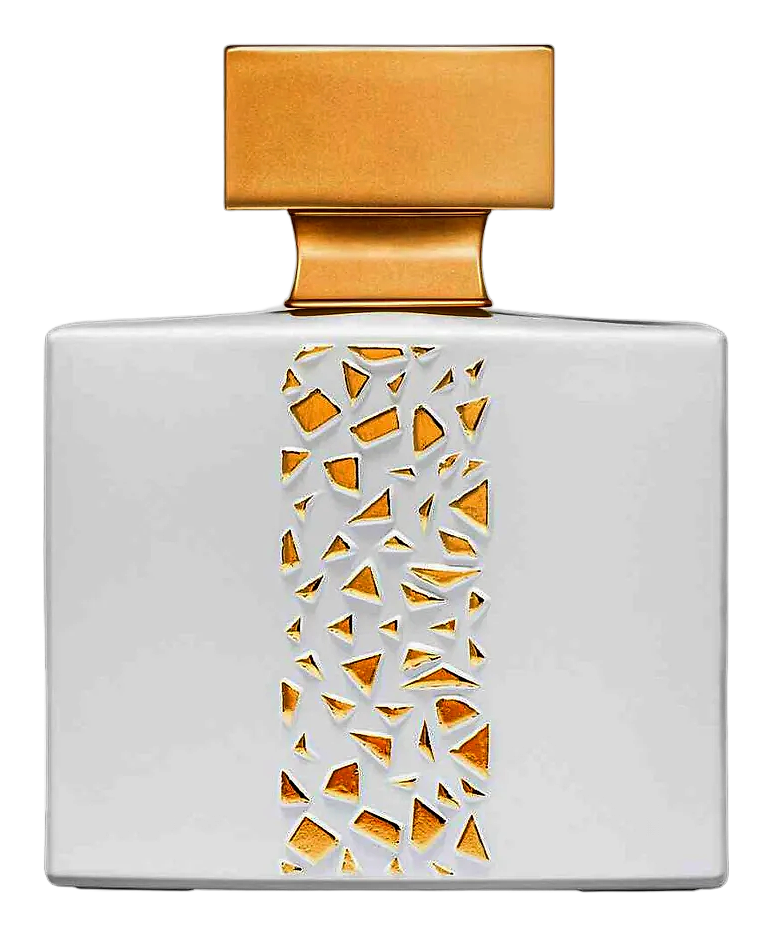
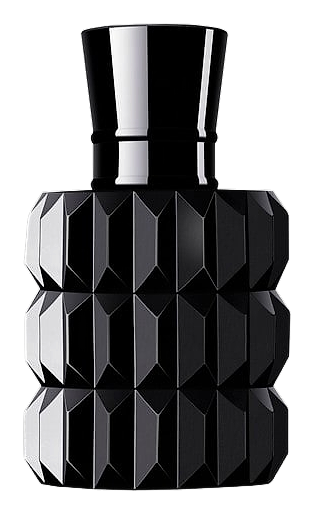
Ambre et Musc launched in 2014 as part of D'ORSAY's Al-Kimiya line. The brief was specific: build a base from the ground up, skip the bright opening entirely, and let resin and musk do all the work. Perfumer Amélie Bourgeois composed it from benzoin, gurjun balsam, labdanum, sandalwood, vanilla, and white musk, with no top notes, no citrus, no floral introduction. The fragrance was designed to function as both a standalone scent and a layerer, meant to amplify other compositions while holding its own skin. The result is less a perfume and more a concentrated, wearable second skin: a powdery, resinous warmth that reveals itself slowly as the hours pass.
What's structurally interesting here is the absence of a pyramid's top tier. Ambre et Musc starts where most end. That choice puts benzoin and gurjun balsam at the front line, two materials that anchor the composition in deep, resinous territory from the first breath. Liatris spicata, a less common botanical with a sweet, rooty edge, adds a powdery softness that keeps the composition from tipping into pure incense territory.
The evolution
There is no opening. That is the first thing you notice, and the first thing that changes how you experience everything after. The fragrance begins in the middle of its own life, as if you've walked into a room where it's already been sitting for a while. The early phase is benzoin-dominant, slightly sweet, with a dry, almost smoky warmth from the gurjun balsam underneath. It smells like heated wood, like the inside of a wooden box that once held something precious. As the composition settles, the labdanum and amberwood deepen the structure into something that feels darker and more golden, a slow transition from bright resin to something more fossilized. The sandalwood emerges quietly, giving the whole thing a creamier, more grounded texture, the kind of smoothness you only notice when you stop trying to parse individual notes.
Cultural impact
Ambre et Musc occupies an unusual niche in contemporary fragrance. It is neither a statement scent nor a subtle skin scent, but something in between, a hybrid construction that works as a standalone but reveals additional depth when layered. It appeals to wearers who treat fragrance as material to work with or as a personal signature rather than a public performance. The composition's reliance on base notes from the very first breath, skipping the usual pyramid structure, sets it apart from mainstream releases and aligns it with a growing audience interested in unconventional amber constructions.