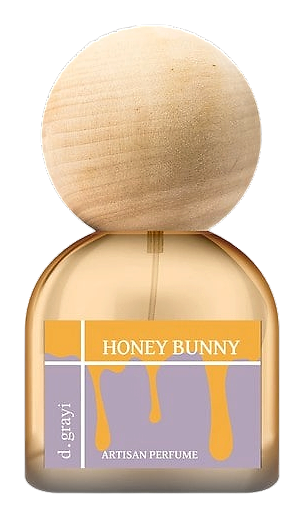
The Story
Why it exists.
The beginning
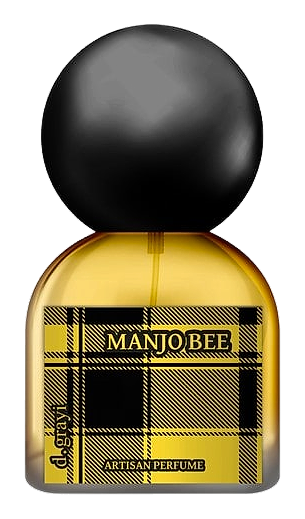
Manjo Bee is named for mật ong, honey in Vietnamese, and the fragrance follows that logic through to its most honest conclusion. It's not a honey perfume. It's what comes after the honey: propolis, the resinous bee glue that seals the hive; beeswax absolute, thick and slightly medicinal; civet, because James Nguyen's house never flinches from what stays close to skin. The yuzu and tea open the composition like a window flung wide in winter, and the osmanthus and tonka arrive to sweeten the deal before the whole thing settles into something waxy, warm, and animalic. This is the fragrance for someone who wants to smell like the whole hive, not just the part people photograph.
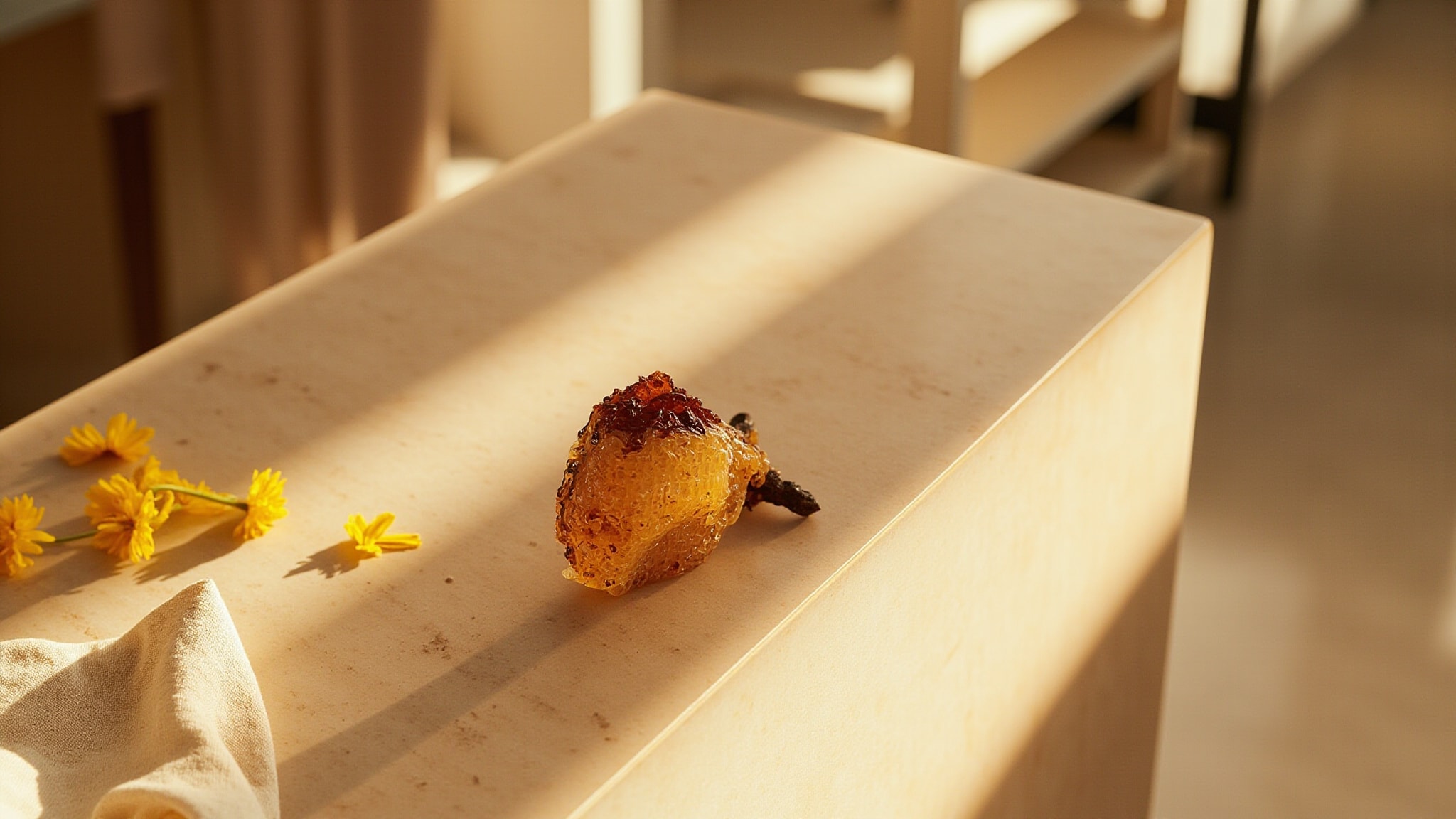
The structure here is unusual in the way that indie compositions often are, not because the perfumer lacked restraint, but because they chose not to use it. The top trio of yuzu, tea, and marigold creates an opening that reads as bitter-green before it ever reads as sweet. Beeswax absolute, sourced at concentration, is the structural heart, and it's not the cleaned, photorealistic beeswax of mass-market candles. This version carries the waxy density of actual honeycomb, the faint dust of pollen, and a warmth that reads almost animalic before the base notes arrive. Tonka bean softens the landing, but propolis and civet are doing the real work in the drydown: resinous, resinous-amber, and very much not polite.
The evolution
The opening is yuzu first, sharp, citrus-bright, the kind of cold that wakes you up before you've agreed to it. Marigold follows within minutes, adding a floral-herbal edge that tempers the citrus without killing it. Tea sits underneath, quiet at first, then building as the top notes begin to recede. By the 30-minute mark, the beeswax has taken over. It's thick. It coats. Osmanthus joins around the hour mark, bringing its apricot-floral weight into the waxy structure, and the hinoki wood keeps the whole thing from going fully sweet. The drydown is where Manjo Bee earns its name. Propolis emerges, that dark, resinous, slightly medicinal bee-material, and with it, the civet. Not overwhelming. Not performative. Just present, warm and animalic, holding the honeyed sweetness at bay. On skin, expect 4-6 hours of evolution. On fabric, the beeswax-hinoki drydown lingers into the next day.
Cultural impact
Manjo Bee arrives at a moment when indie perfumery is carving out space between Western luxury houses and traditional Asian fragrance practices. The d.grayi house, founded by James Nguyen in 2022, draws explicitly from Vietnamese and Korean scent heritage, a lineage rarely centered in Western niche perfumery. By incorporating Vietnamese yuzu and pot marigold alongside more Western animalic notes like civet and propolis, Manjo Bee occupies a cross-cultural position that resonates with diaspora communities and globally-minded collectors alike.