The Story
Why it exists.
The beginning
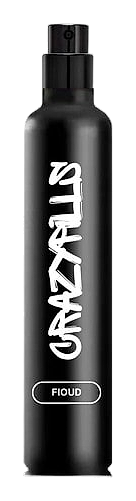
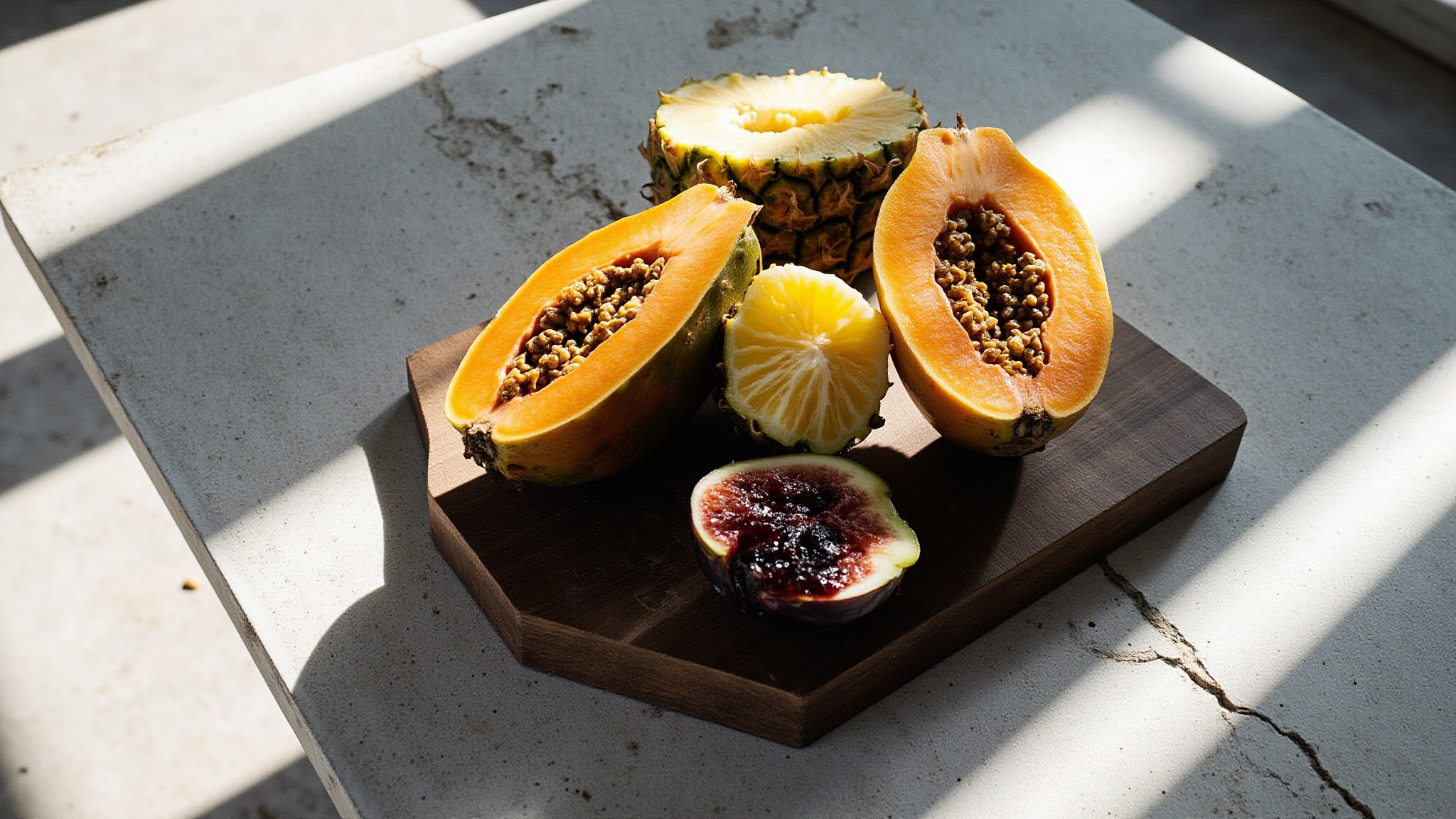
Fioud arrived in 2024, one of four fragrances launched by Crazypills in its inaugural year. The brand's first move was a blunt one: drop multiple scents simultaneously, skip the cautious single-release buildup, and let the bottles speak for themselves. Fioud is the one that leans hardest into fruit, specifically papaya, pineapple, and fig up top, but it's the base that gives it gravity. Perfumer Manuela Ruiz built a scent that swings between bright fruit and heavy wood, a contradiction that feels deliberate rather than accidental. Crazypills positioned itself as a rejection of perfumery's usual self-seriousness, and Fioud operates as proof of concept. It doesn't ask permission to pair pineapple with frankincense. It assumes you came for the collision.
The interesting move here is the structural decision to bookend tropical sweetness with serious base materials. Papaya, pineapple, and fig are almost cartoonishly cheerful on paper, but the base layer pulls the whole thing back into grown-up territory with oud, patchouli, cypriol, amberwood, and frankincense. The heart stays simple. Green leaves and rose. No middle-ground complexity, no floral gymnastics. That restraint in the middle lets the contrast at the edges do all the work. It's a composition built on polarity rather than harmony, a choice that gives the scent its distinct shape.
The evolution
The first twenty minutes are all fruit, no subtlety. Papaya and pineapple arrive loud, almost candied, with fig adding a darker sweetness underneath. The sweetness doesn't fade so much as get interrupted. Green leaves cut through with something raw and dewy, then rose lands soft but present, a brief floral pause before the base takes over. Around the two-hour mark, the tropical notes recede and oud and patchouli step forward. The frankincense adds a resinous haze that sits above the wood, smoky without burning. By hour four the fruit is mostly memory, and what's left is a warm, slightly sweet wood-and-amber drydown. The sillage stays moderate through the final stretch, a low hum rather than a broadcast. What makes the wear interesting is how the transitions actually feel. The fruit doesn't vanish. It thins out, like a signal losing strength but never fully cutting.
Cultural impact
Fioud operates in an unusual space because it commits fully to both ends of its profile. The opening is unapologetically tropical: papaya, pineapple, and fig, sweet and almost candied on first spray. The base is equally committed in the other direction: oud, patchouli, cypriol, amberwood, and frankincense, all dense, all present. Most fragrances that flirt with oud keep their fruit subtle or vice versa. Fioud refuses that compromise. It puts both at full volume and lets the wearer experience the collision rather than smoothing it out. That structural choice has implications for how the scent reads in context.