
The Story
Why it exists.
The beginning
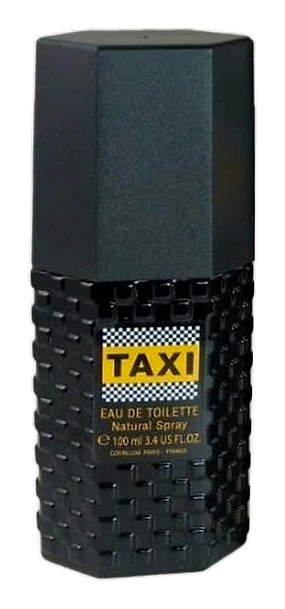
Taxi arrived in 1984 from Cofinluxe. The perfumer was Mark Buxton, working with a stripped-down palette of six materials: star anise, bergamot, nutmeg, lavender, sandalwood, and ambergris. There's no sprawling pyramid here, no layered architecture trying to impress. What you have instead is a composition that puts its weight behind a single aromatic idea and lets everything else serve it. Star anise carries the most presence, that almost-sweet, almost-medicinal snap that gives the scent its character. Bergamot and nutmeg sit alongside it, brightening the opening and adding a subtle warmth. Lavender cools the spice and lends a herbal-clean edge that grounds the composition in familiar masculine territory.
What's genuinely unusual about Taxi is how few notes carry the whole composition. Star anise is the dominant thread, and its presence runs through the wear in a way that keeps the scent anchored to a single aromatic idea rather than drifting across different territories. Bergamot and nutmeg play supporting roles, adding lift in the opening and a thread of warmth that carries forward. The base of ambergris and sandalwood keeps things grounded and slightly dry, with that faint salt-and-skin quality preventing the anise from tipping into candy territory.
The evolution
The first ten minutes are all anise. Star anise opens with that almost-sweet, almost-medicinal snap, cut slightly by bergamot's brightness and warmed by nutmeg. There's no pretense of softness here, it announces itself. Around the 30-minute mark, the lavender shows up quietly, doing what lavender does: cooling the spice, adding a herbal-clean edge, making the composition feel more like a classic fougère than an anise bomb. By the two-hour mark, the sandalwood and ambergris have settled in. The anise pulls back, and what remains is warm, slightly woody, with a faint salt-and-skin quality from the ambergris. Sillage sits moderate, close to the body rather than projecting across a room. On skin at the six-hour mark, you're left with a soft woody-ambergris hum. Not loud. Not trying to be.
Cultural impact
Taxi sits in a category that fragrance communities return to often: the accessible release that earns its reputation on composition rather than packaging or prestige. Wearers compare it to other spicy-fougère releases, and the comparison is respectful. Taxi reads leaner, anise-led where many similar scents lead with lavender, and the difference is noticeable on skin. That value-to-quality ratio gave the fragrance staying power. Enthusiasts point to it as an example of what a focused, well-built men's scent can accomplish with a small set of materials.