
The Story
Why it exists.
The beginning
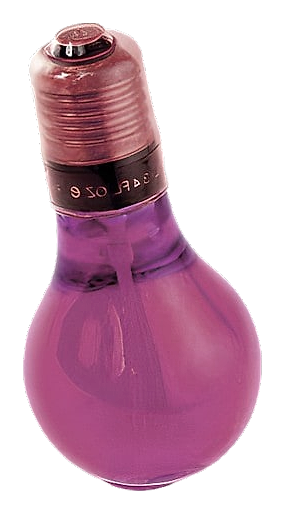
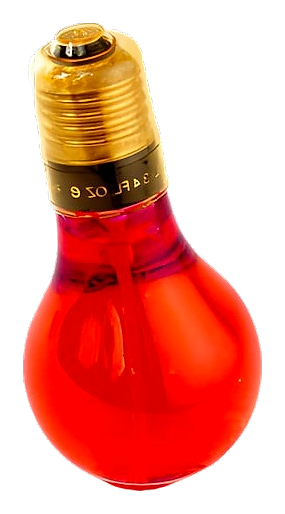
Watt Red arrived in 1993 as part of Cofinluxe's Watt collection, a French house that had spent nearly two decades building fragrance lines around accessible, color-coded identities. Watt Red wore its name literally, warm, red, unmistakable. The brief wasn't subtlety. It was a fruity-floral heart with enough herbal chamomile to make it interesting and enough animalic warmth to make it stick.
What makes Watt Red unusual is the chamomile sitting at the top of the pyramid. Herbal and almost medicinal in opening, it doesn't behave like the typical citrus or aldehyde entrance of its era. Instead, it creates a pause, a breath of something green before the peach and apricot arrive and soften everything into warmth. Jasmine holds the center with a creaminess that supports, never overwhelms. The structure rewards patience: wait for the transition, or miss the point entirely.
The evolution
The first minutes belong to chamomile and lemon, bright, slightly bitter, like tea steeping on a windowsill. Within fifteen minutes, the peach arrives, pulling the composition toward sweetness. Jasmine opens like a white curtain next, joined by apricot's translucent fruit note. The transition is seamless but dramatic, you've gone from herbal to lush in the time it takes to exhale. By the second hour, amber and musk take over. The drydown is where this fragrance earns its animal-sweet classification, warm, close, powdery in the way that recalls skin, not soap. On fabric, it lingers for hours. On skin, plan for four to six.
Cultural impact
Watt Red speaks to a specific moment in French fragrance history, the early 1990s, when mid-market houses were experimenting with combinations that haute parfumerie might have considered too bold or too accessible. The chamomile-peach-animalic structure was unusual then and remains uncommon now, which is partly why discontinued bottles hold a particular appeal for those who've smelled it once and never forgotten.