The Story
Why it exists.
The beginning
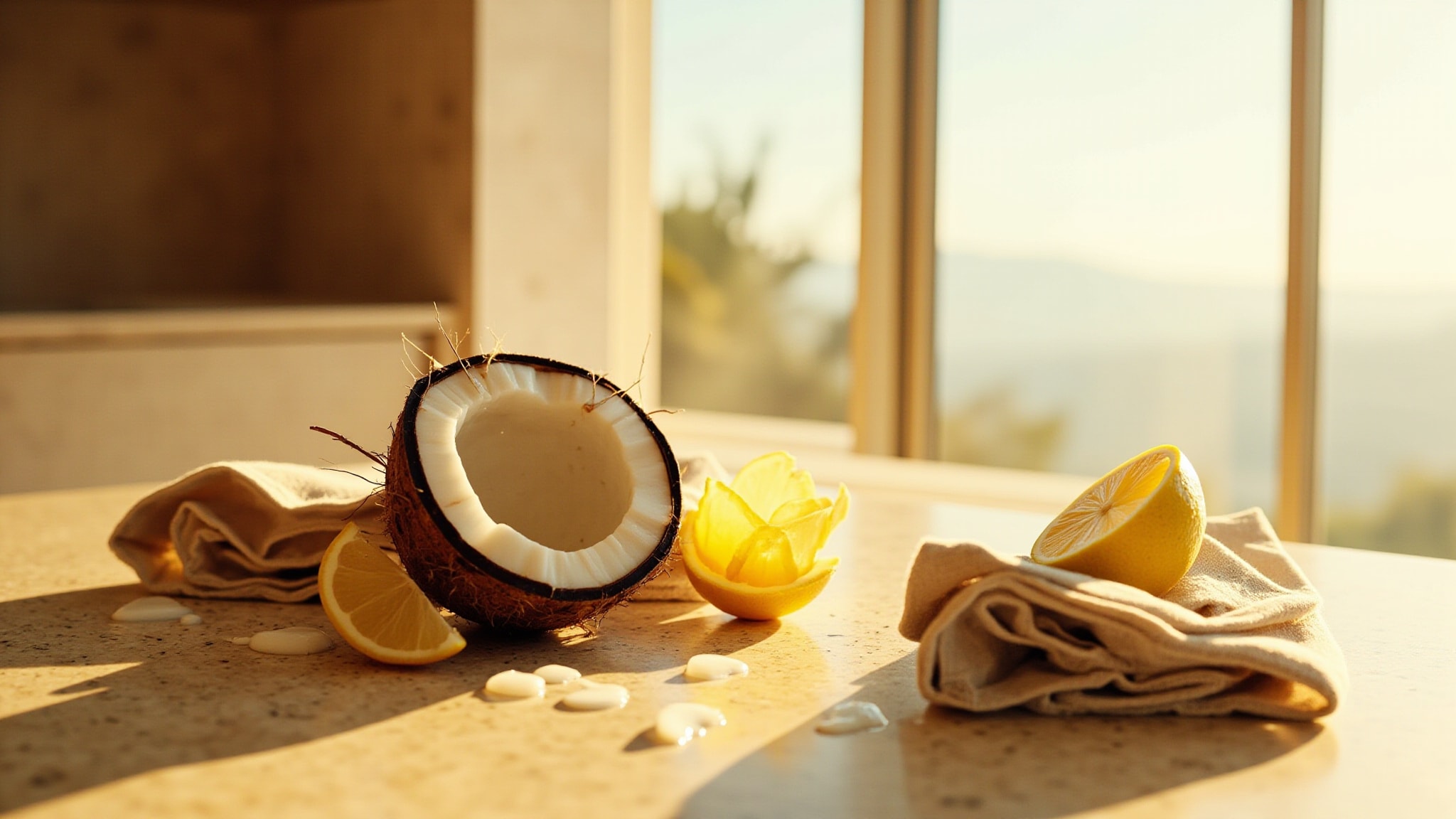
Copa Cabana is named for the famous stretch of sand in Rio de Janeiro, the composition borrowing the vivid, sensorial shorthand of Copacabana: heat, crowd, music, sweetness thick in the air. The scent captures that crowded-beach energy with a generous pour of coconut oil at the base, a swirl of milk-and-caramel sweetness in the heart, and a bright citrus opening that cuts through the creaminess like sunlight reflecting off wet sand. It's a fragrance that wears its geography openly, less about quiet ritual and more about the sensory rush of stepping onto a crowded beach at midday.
The composition layers milk and caramel against lily of the valley's cool white-flower brightness, and that tension is deliberate: creamy tropical sweetness pressed against a clean floral counterweight keeps the scent from collapsing into sunscreen territory. The lily of the valley doesn't shout, but it threads through the heart with a green-white clarity that reads almost aquatic, reminding you this is a perfume built around contrast as much as richness.
The evolution
The first thirty minutes are the loudest Copa Cabana gets: bergamot and lemon slicing through coconut oil like a cold drink meeting a hot afternoon. The citrus brightens and lifts, then quietly hands off to a milk-and-caramel heart that feels more confection than flower. Lily of the valley flickers underneath, a green-white thread keeping the sweetness from going syrupy. The milk accord here is the real backbone, offering a warmth that reads as soft rather than heavy, and a creaminess that stays buoyant instead of collapsing into something too rich. As the hours pass, the citrus notes dissolve completely, leaving behind coconut cream and a soft sandalwood warmth that settles close to skin. The caramel gradually thins into something more suggestive than sweet, almost skin-like, blending with the amber base to create a faint golden warmth.
Cultural impact
Copa Cabana pairs the house's signature coconut-and-tiare base with a more overtly gourmand composition, tilting the creamy tropical DNA toward Brazilian beach culture rather than the Tahitian-rooted originals. The fragrance sits alongside earlier Coco Monoï releases as part of the brand's place-inspired lineup, expanding the range from quiet ritual references toward something more celebratory and sun-drenched.