
The Story
Why it exists.
The beginning
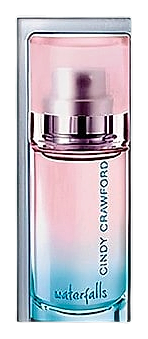
Cindy Crawford's fragrance line translated her California aesthetic into bottles, sunlit, aspirational, never intimidating. Waterfalls arrived in 2005 as the brand's most recent launch, building on the success of earlier flankers like Joyful. Perfumer Mark Buxton worked with an aquatic-floral brief that echoed the era's tastes: bamboo, orchid accords, and the promise of something fresh and flowing. The name itself suggests movement, transparency, and effortless cool, not a statement fragrance, but one that feels like a cool breeze on a warm day.
What makes Waterfalls work is the tension between its aquatic identity and its floral heart. The lotus and wild peony keep it from feeling like pure water, they add body, a softness that prevents it from reading as merely fresh or synthetic. The white cedar in the base is the quiet anchor: less common than sandalwood, it gives the drydown a slightly dry, creamy woodiness that keeps the fragrance grounded instead of evaporating entirely. It's a composition designed to smell like the moment after a rain shower, not during it.
The evolution
The opening hits bright, apple, bergamot, a flick of black pepper that wakes everything up. Within minutes, the aquatic quality fades and lotus takes over, softer than expected, almost meditative. The wild peony and yellow freesia arrive together around the 20-minute mark, adding a powdery floral sweetness that shifts the fragrance from cool to warm. By the second hour, the base arrives: white cedar and sandalwood blend into a creamy wood, amber adds a whisper of warmth, and white musk keeps it close to skin. The whole thing lasts roughly 3-4 hours, not a marathoner, but a pleasant arc that fades politely rather than disappearing abruptly.
Cultural impact
Waterfalls arrived during the peak of celebrity fragrance culture, competing alongside offerings from other famous faces of the mid-2000s. The fragrance offered accessible luxury, a piece of the Cindy Crawford world at a price that didn't require a model's salary. Its aquatic-floral character fit squarely within the era's preferences, but the peony heart gave it a softer, more feminine edge than some contemporaries.