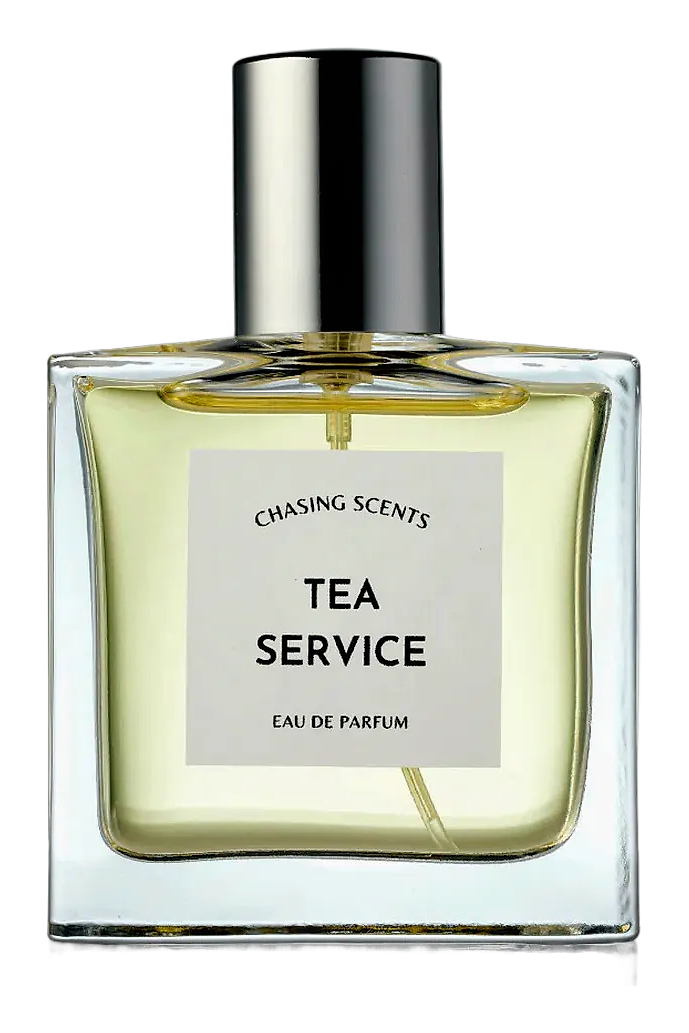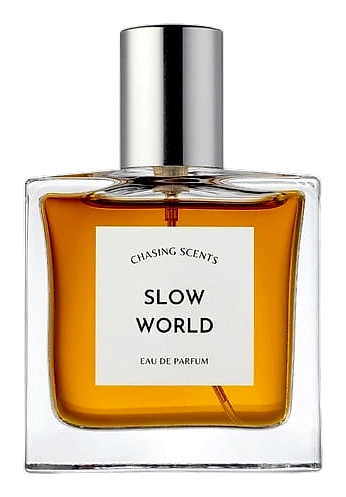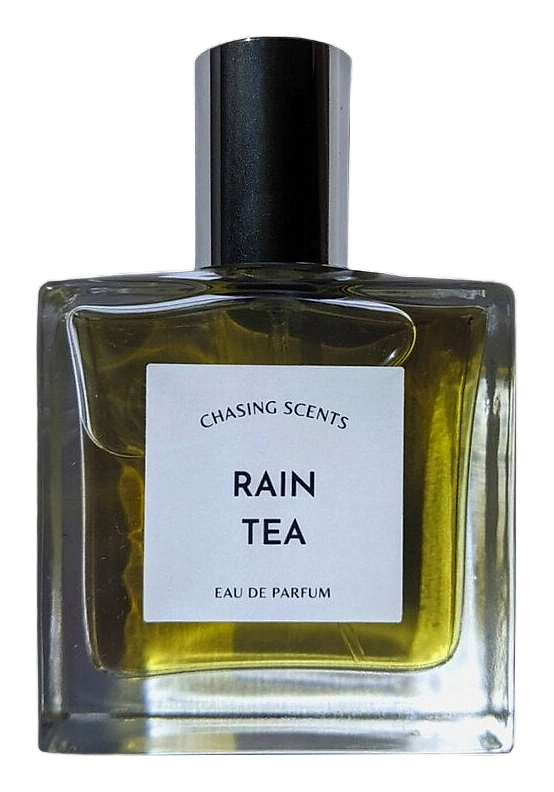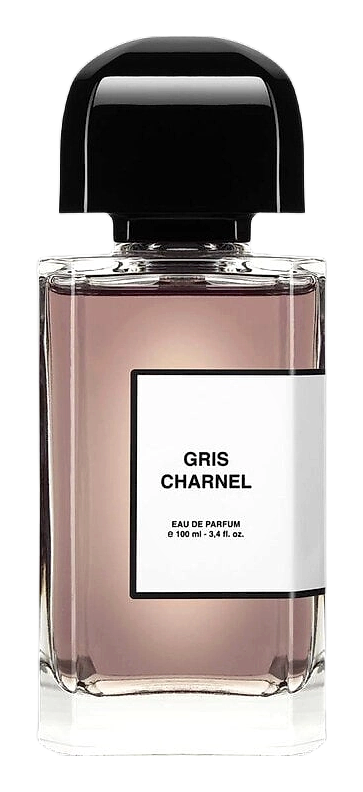

The Story
Why it exists.
The beginning
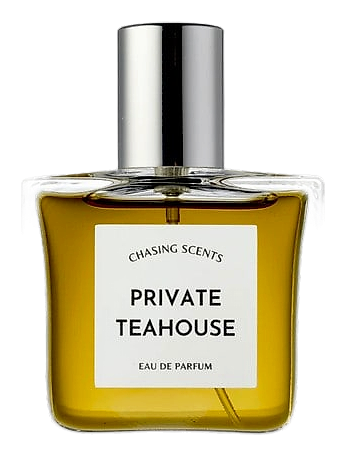
Private Teahouse began as an idea about thresholds. Sandy Wong built the fragrance around the moment of entering a teahouse, not the tea itself, but the act of crossing over. The sensation of leaving the daily world at the door. That liminal space between who you were outside and who you can become inside. The name says it plainly: this is a private place. Not a statement fragrance. Not something that announces itself when you enter a room. The perfumer wanted to capture the feeling of somewhere you can breathe, somewhere that asks nothing of you except presence. The teahouse as sanctuary. The composition centers on lapsang souchong, a black tea dried over pine wood fires, giving it a characteristic smokiness that sits at the heart of this fragrance. Peach and labdanum keep the smoke company, stone fruit sweetness and warm resin that prevent the fragrance from becoming austere.
What makes Private Teahouse work is the tension between smoke and sweetness, and how that tension resolves. Peach tree sap isn't the same as peach fruit. It's the sticky resin that seeps from a wounded tree, carrying an aromatic intensity that's slightly bitter, slightly sweet, and deeply botanical. Here, it functions as a bridge: it keeps the smoke honest, prevents it from becoming mere atmosphere, and adds a quiet resinous quality that develops in the drydown. The smoke itself is never aggressive. Lapsang souchong gives it a tea-leaf darkness, the smell of something smoked over wood fires, but with an herbal undertone that keeps it grounded.
The evolution
The opening arrives quickly. Smoke curls first, not harsh, closer to incense in an empty room. Within minutes, the lapsang souchong clarifies, that distinctive tea-leaf darkness taking center stage. The peach arrives soft, almost sugared, keeping the smoke from ever becoming aggressive. By the second hour, cedar arrives and begins to hold things together. The peach doesn't disappear, it deepens, becoming more of a stone-fruit presence than a fresh one. The smoke persists but becomes more intimate, less atmospheric. The drydown is where it gets interesting. Labdanum comes forward, and with it comes a resinous warmth that changes the character of the whole fragrance. The smoke is still there, but now it feels personal, the kind of smell that clings to skin and fabric, that you notice the next morning on your sleeve. Eight to ten hours on most skin. The next day, there's a trace. Smoke and something sweeter underneath. Like a room you've left but can still smell.
Cultural impact
Private Teahouse has found its audience among people who want scent as a form of self-knowledge rather than performance. The fragrance asks you to come to it, it won't announce itself, and it won't fill a room. That quietness reads as weakness to some, but to others it's the entire point. For the right wearer, it becomes a kind of ritual. Something worth returning to, season after season.