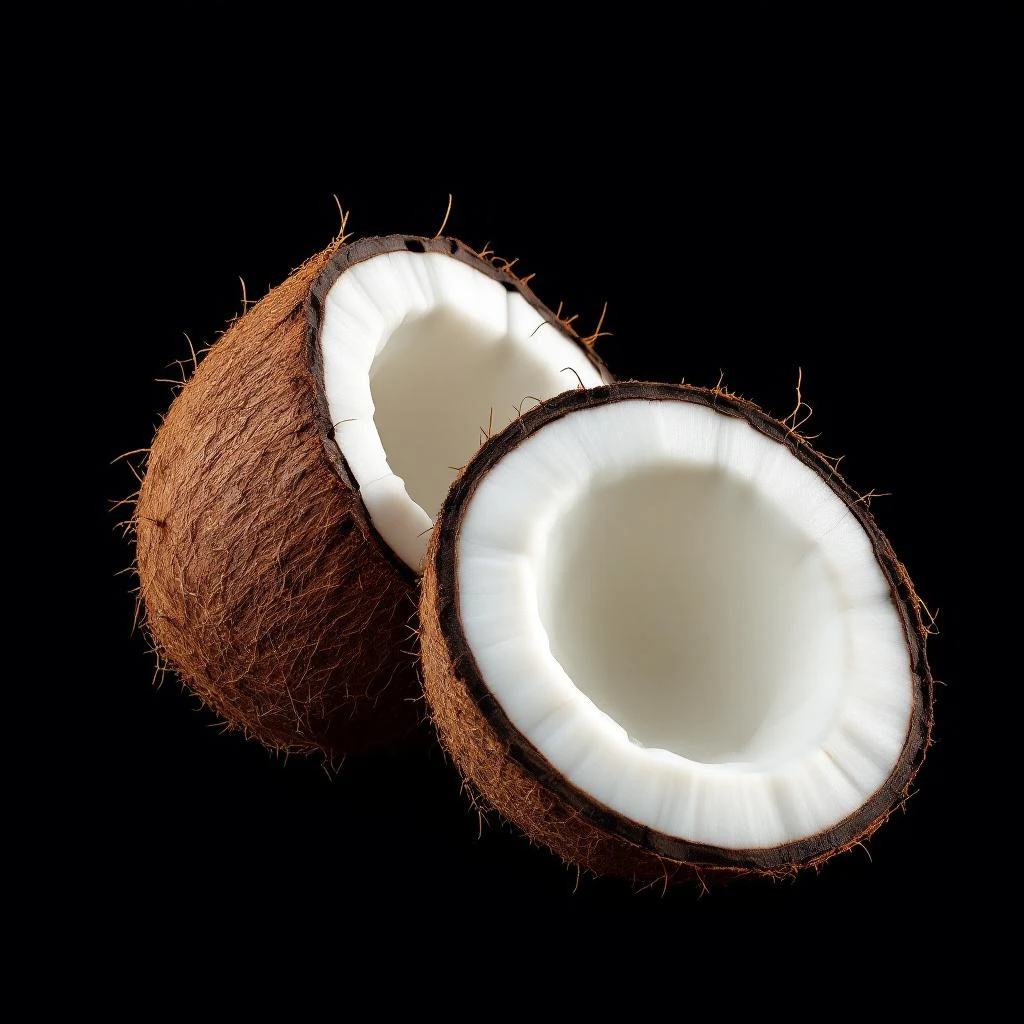
Peach Tree Sap
Peach Tree Sap represents one of perfumery's most intimate botanical extractions—a resinous, green-tinged material harvested directly from living peach trees. Unlike the fruit's sweet flesh, sap carries earthy, slightly bitter undertones with an unexpected depth that adds complexity to high-end fragrance compositions.

Character
How it smells
Resinous depth from the living tree
Peach trees were considered sacred in ancient Chinese culture, with sap used in traditional medicinal preparations long before perfumers discovered its aromatic potential.
Pairs beautifully with

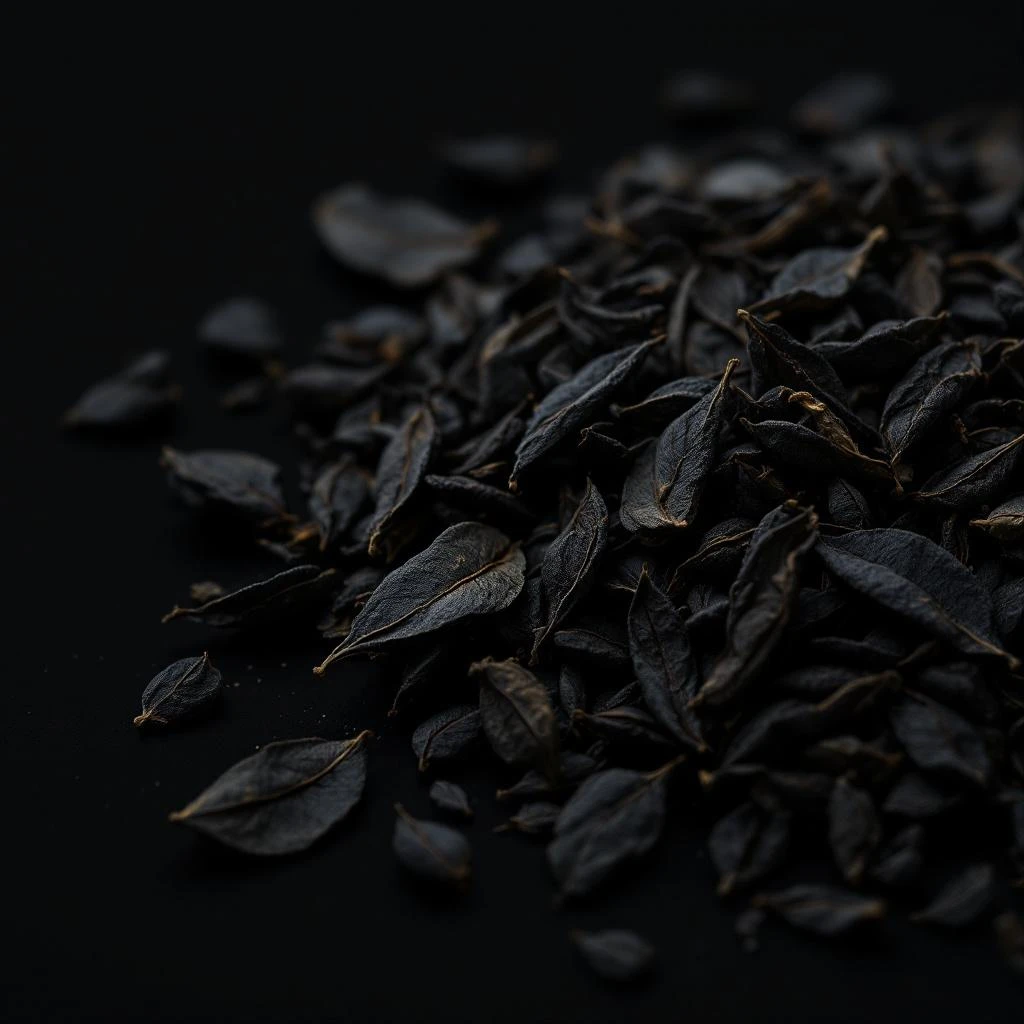
Origin
China
The peach tree traces its sacred lineage to the Zhejiang province of Eastern China, where it was first cultivated over 4,000 years ago. Ancient Chinese texts describe peach sap as a spiritual substance, used in purification rituals and healing preparations.
Buddhist monks carried peach tree cuttings along the Silk Road, introducing the species to Persia and eventually the Mediterranean. By the Tang Dynasty, Chinese perfumers had discovered that sap from mature trees possessed distinct aromatic properties different from the fruit itself.
European perfumers during the 18th century began experimenting with peach tree derivatives, though the technique remained rare due to the delicate nature of the harvest. Today, sustainable peach sap extraction continues primarily in Chinese provincial orchards, representing a direct link to ancient perfumery traditions.
Wears it best
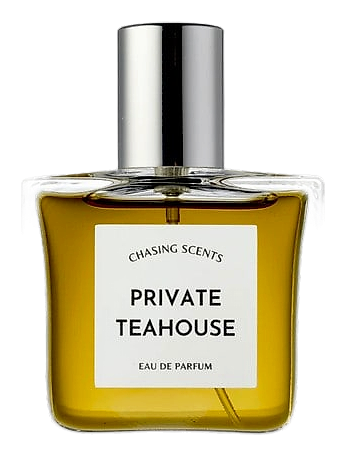
Fragrances featuring Peach Tree Sap
Brands
Brands known for Peach Tree Sap
Good to know
Questions, answered
The essentials on Peach Tree Sap in perfumery: how it smells, where it comes from, and how it behaves on skin.
What does Peach Tree Sap smell like?
Peach Tree Sap presents green, resinous notes with earthy undertones and a subtle bitterness that differs significantly from the fruit's sweet flesh. It adds botanical depth rather than fruitiness to compositions.
Is Peach Tree Sap commonly used in perfumery?
Peach Tree Sap ranks among the rarer perfumery ingredients, used primarily by artisanal and luxury fragrance houses seeking unique botanical signatures unavailable through synthetic alternatives.
How does Peach Tree Sap differ from peach accord?
Peach accord typically derives from gamma-undecalactone, a synthetic molecule mimicking ripe fruit. Sap provides natural resinous complexity with green, living qualities that synthetic peach cannot replicate.
What extraction method produces Peach Tree Sap?
Harvesters make shallow incisions in tree bark during peak sap flow in late spring. The resinous material weeps slowly and is collected over several days before cold settling and vacuum distillation.
Where does commercial Peach Tree Sap originate?
Sustainable extraction occurs primarily in Zhejiang province, China—the ancestral home of cultivated peach trees where cultivation traditions span over four millennia.
Can Peach Tree Sap cause allergic reactions?
As with most natural plant materials, sensitivity testing is recommended. Natural sap contains different protein compounds than fruit allergens, though individual reactions vary.
What fragrance families pair well with Peach Tree Sap?
Green chypres, botanical florals, and woody compositions benefit most from Peach Tree Sap, which adds resinous depth without sweetness to these structures.
How does sourcing impact Peach Tree Sap quality?
Tree age, harvest timing, and post-extraction handling dramatically affect quality. Sap from mature trees (8-15 years old) yields the most complex aromatic profile.