The Story
Why it exists.
The beginning
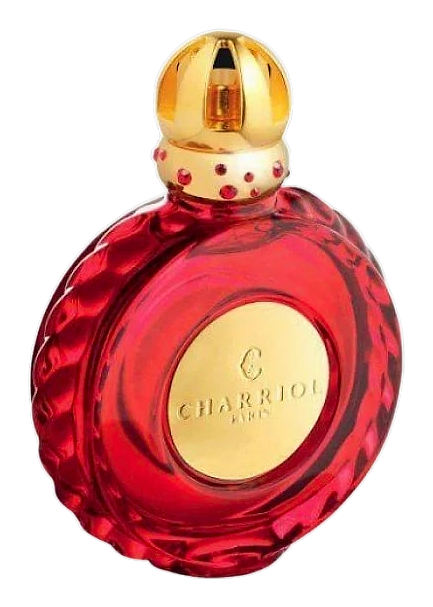
Imperial Ruby arrived in 2011 from Michel Almairac, a perfumer whose body of work across the early 2000s had earned him a reputation for building compositions with clarity and intention. Charriol, the house behind this release, had been steadily building a fragrance presence, and Imperial Ruby marked a confident step in that direction. The name itself sets the terms: ruby, with all the warmth, depth, and touch of darkness that gemstone implies. There's no subtlety in the choice, and the composition follows suit. Almairac built the fragrance around fruit that catches light, wood that holds weight, and a drydown that rewards patience. The opening reads bright and faceted, almost like light hitting a cut stone, then settles into something denser as the hours pass.
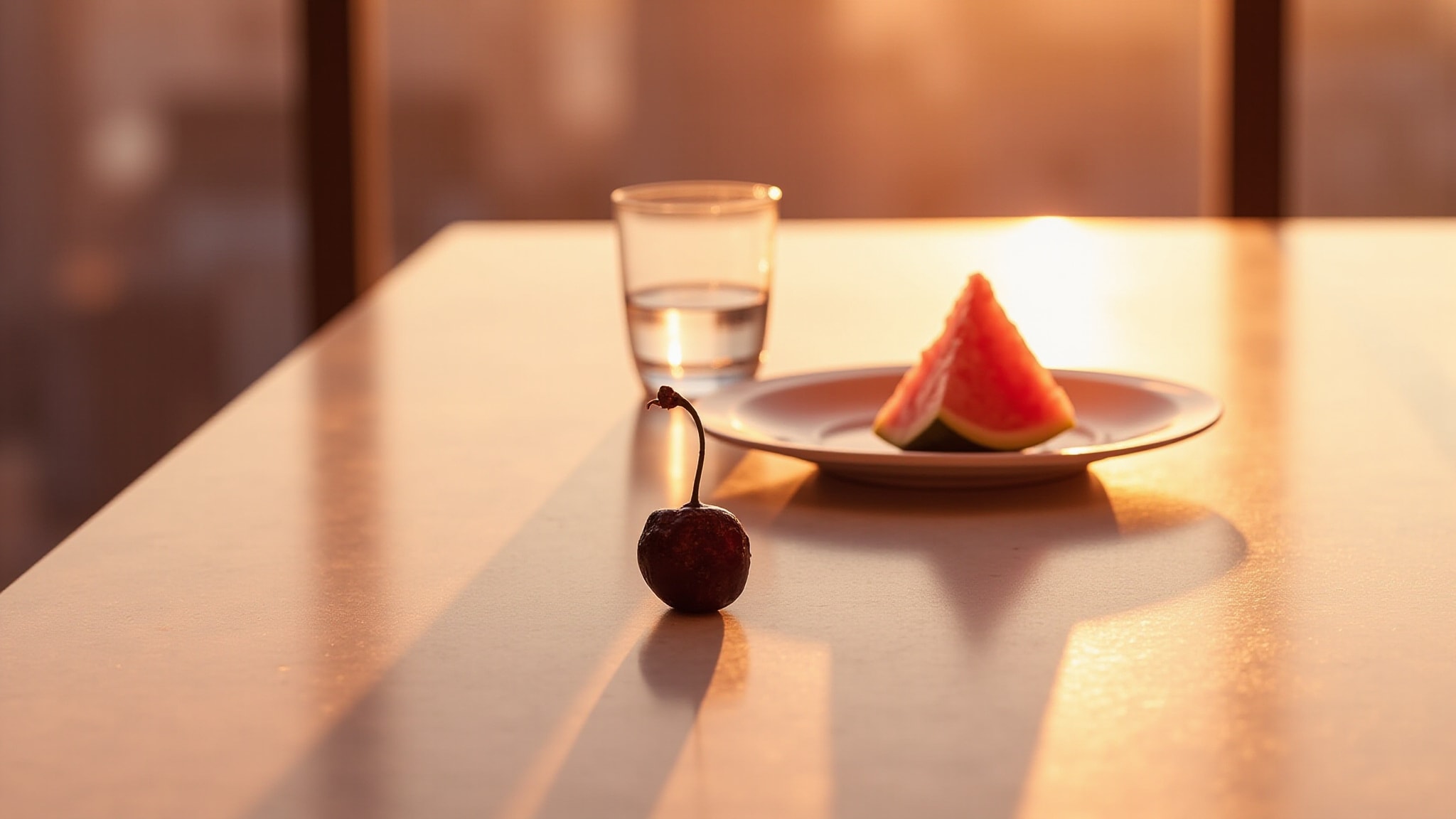
The structure here is more interesting than the fruity-floral label suggests. Watermelon and cherry together is a choice, not a default. Most perfumers reach for cherry alone because it's already high-impact. Adding watermelon softens that sweetness into something almost aqueous, more translucent than syrupy. Then the violet leaf does something structural. It cuts the fruit with a green, slightly bitter edge before the rose even arrives, which means by the time the floral heart opens, you've already agreed to a more grown-up version of sweetness. The sandalwood in the heart is what keeps everything grounded while the fruit does its dance up top.
The evolution
The first 20 minutes are pure fruit, no pretense. Cherry and watermelon arrive together, bright and slightly candy-like, with bergamot lending a citrus lift that keeps the opening from collapsing into syrup. There's a freshness here that reads almost aquatic, a quality several reviewers noted without quite naming. Around the 30-minute mark, the watermelon recedes. The cherry stays, but it thickens. Violet leaf enters from below, green and cool, reshaping the sweetness into something more botanical. Rose appears next, but it never dominates. It sits in the background like a color wash, giving the heart its warmth without demanding attention. By the second hour, sandalwood has taken the wheel. The fruit is a memory, the violet is gone, and what remains is creamy wood with a faintly powdery quality. The final phase, somewhere past the 4-hour mark, is where Imperial Ruby becomes what it was always trying to be: cedar and ambergris in close conversation, a clean musk running underneath.
Cultural impact
Imperial Ruby sits in a particular place among fruity-forward fragrances: the watermelon note in the opening gives it a distinctive lift that sets it apart from the usual berry-and-citrus templates, offering something cool and almost translucent in the first minutes on skin. As the composition develops, that initial freshness folds into a warmer heart, where floral and softer sweet accents emerge before the base settles into something woody and quietly resinous. The wear experience is layered, with each phase offering a different reading of the same core idea.