
The Story
Why it exists.
The beginning
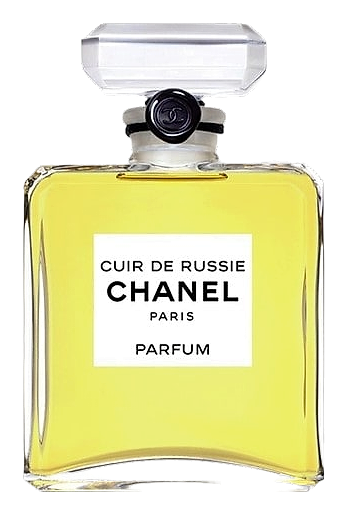
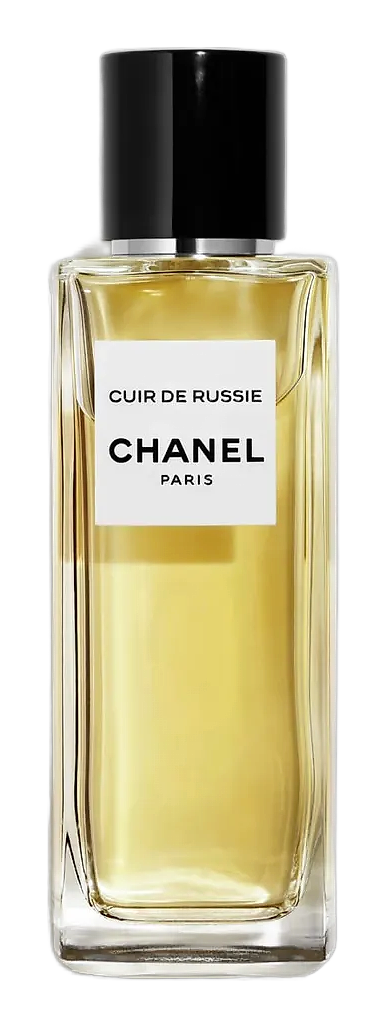
In 2016, Jacques Polge returned to one of Chanel's earliest fragrance concepts, Cuir de Russie, first composed in 1924 with Ernest Beaux, and rebuilt it for the Les Exclusifs de Chanel collection. The original was an encounter between Gabrielle Chanel and the aromatic world of Russian leather: boots tanned in birch bark, tobacco, and the dark warmth of resins. Polge's 2016 reimagining takes that same foundation and opens it differently, with a citrus-bright orange blossom that feels like morning light hitting a leather jacket for the first time. The official description calls it "the scent of an encounter." That word matters. This was never meant to be a solitary fragrance.
What distinguishes this EDP from its predecessors is the way the leather operates, not as a dominant force but as a container for everything else. The ylang-ylang and jasmine in the heart give it a creamy, almost buttery warmth that prevents the birch smoke from becoming harsh. The tobacco is Virginia, dry, slightly sweet, more aromatic than gourmand. And the birch wood delivers that characteristic note: smoky, camphorated, with a faint tar-like edge that reads as dark rather than dirty. Together these materials create something that smells both expensive and slightly dangerous, the kind of leather that has a history, not a price tag.
The evolution
The opening surprises. Bright citrus and orange blossom arrive first, cleaner than expected, almost soapy, before the white florals deepen and the tobacco emerges from beneath. The handoff happens around twenty minutes in: the citrus retreats, the ylang-ylang takes over, and suddenly you're in the middle of the fragrance, warm, creamy, floral with an edge. The jasmine and rose give it a powdery undertone that some wearers read as feminine, others as simply classical. The base is where Cuir de Russie earns its name. Leather and birch wood together create a smoky, slightly animalic drydown that can read as camphor or tar depending on your skin. It's the most polarizing phase of the fragrance, the part people either love or find too much. On most skin, the full arc runs eight to ten hours, with moderate sillage that stays close to the body rather than filling a room. By the final hour, it's a skin scent: warm, quiet, a little animal, and still unmistakably leather.
Cultural impact
Within the Les Exclusifs de Chanel collection, Cuir de Russie stands as one of the house's more polarizing expressions, a leather fragrance that refuses to be purely masculine or feminine, drawing from the same Russian leather heritage that Chanel first explored in 1924. The 2016 EDP occupies a particular niche: for wearers who want the depth and history of Chanel's archive without the aldehydic abstraction of N°5.