The Story
Why it exists.
The beginning
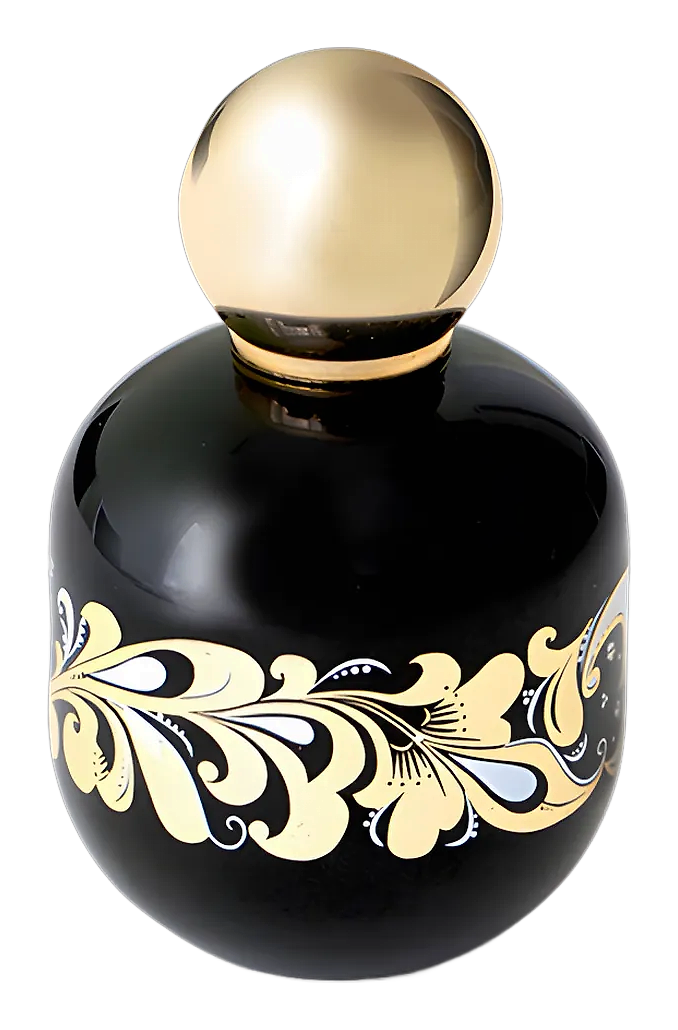
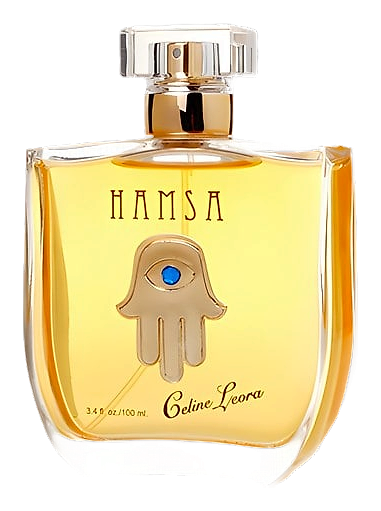
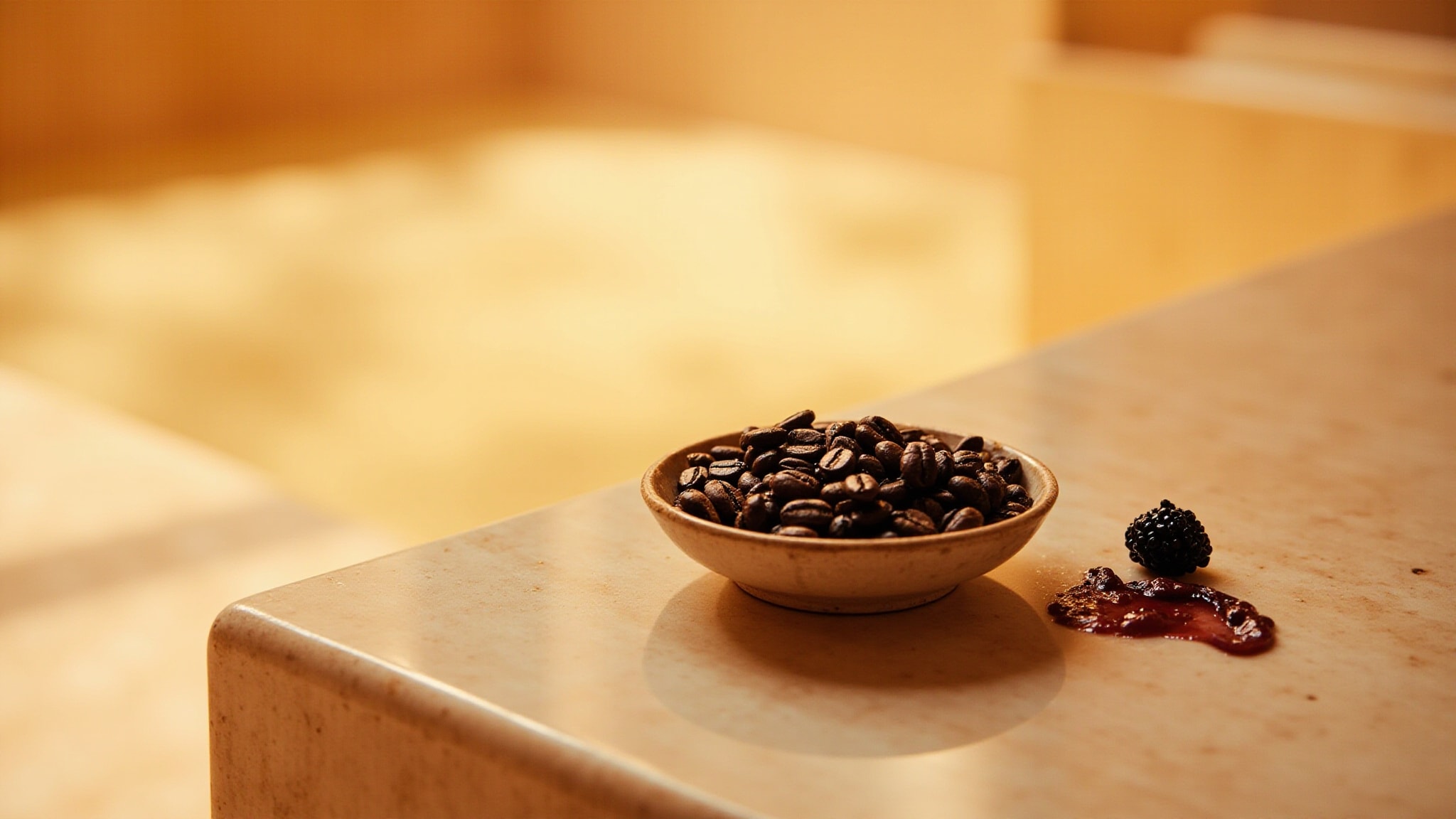
Hamsa arrived in 2011 from the house of Celine Leora. The name itself carries weight: the hamsa is an ancient symbol, a hand-shaped amulet, associated in various traditions with peace and prosperity. The composition gathers blackcurrant, coffee, lotus, frankincense, and incense into a single aromatic gesture. Celine Leora designed Hamsa as more than a pretty spray. The bottle carries the symbol. The oils carry the intention. The fragrance reads as something deliberate, something poured with purpose rather than sprayed absentmindedly from a vanity shelf. Open the bottle and the first impression is the blackcurrant, dark and wine-heavy, staining the air with a fruitiness that leans closer to cassis liqueur than to anything bright or playful.
What makes Hamsa unusual is how it braids two languages together. Blackcurrant brings a dark, almost wine-stained fruitiness. Coffee grounds the composition with bitterness and warmth. Lotus floats above, cool and vaguely aqueous. Frankincense and incense lock the whole thing into a smoky, resinous register that feels closer to a temple corridor than a perfume counter. The accord is dense without becoming heavy, and the incense cuts through the fruit rather than smothering it. Hamsa doesn't perform sweetness, and it doesn't reach for the usual fruity-floral playbook.
The evolution
The first ten minutes are a conversation between blackcurrant and coffee, and it's not a polite one. The fruit reads dark, almost liqueur-heavy, while the coffee grounds underneath push back with roasted bitterness. There's a sharpness here that borders on confrontational. Nothing about the opening whispers. By the thirty-minute mark, lotus and frankincense begin to surface. The incense doesn't announce itself. It seeps in through the sides, softening the fruit, adding resinous depth that catches the warmth of skin. The coffee mellows into something rounder, almost creamy, as though a spoonful of sugar landed in the cup without anyone noticing. The fruit slowly retreats, but never fully disappears. Hours in, the drydown settles into frankincense and incense with traces of the earlier currant still clinging to fabric and skin alike.
Cultural impact
Hamsa occupies a curious corner of the fragrance world, part aromatic fruity, part meditative incense. Wearers tend to describe it in spiritual rather than decorative terms, reaching for language about intention and atmosphere rather than compliments or compliments-receiving. The coffee-and-incense combination marks it as something unusual within the broader category, a fragrance that treats fruit as a vehicle for darker, smokier materials rather than as a sweetness to be amplified.