
The Story
Why it exists.
The beginning
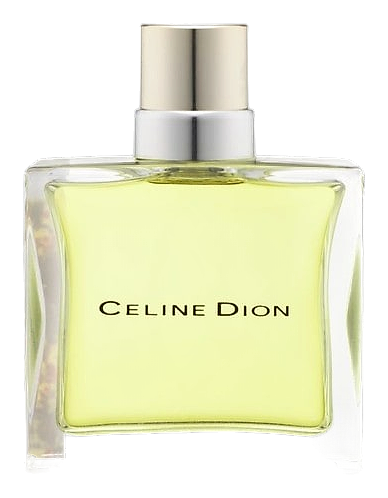
Spring in Provence arrived in 2009 as part of Celine Dion's Coty partnership, which began in 2003. By that point the brand had established a pattern: each fragrance named after a place that meant something. Paris for romance. Provence for the south of France, with its lavender fields and wildflower meadows and that particular quality of afternoon light. Ilias Ermenidis of Firmenich composed it. The brief was clear, translate a season in a specific region into something wearable, warm, and unmistakably floral. Not abstract florals. Real ones. The ones that grow in fields near Grasse, the historic perfume capital just inland from the Riviera.
What makes the structure interesting is the yellow-white floral contrast in the heart. Honeysuckle and mimosa bring a warm, almost golden quality, these are the flowers that look best in late afternoon sun, when the light turns amber. Violet keeps things powdery and familiar, the bridge between the sunny top and the skin-close base. Then the ambrette arrives. It's a seed-derived musk, less common than the synthetic standards, with a faint vegetable quality that keeps the drydown from feeling generic. The vetiver doesn't announce itself, it just grounds everything so the florals don't float away.
The evolution
The opening is quick and cheerful. Bergamot and passion fruit arrive together, the citrus sharp enough to cut through the tropical sweetness, with coriander adding a whisper of spice that keeps things from becoming a smoothie. This phase lasts about fifteen minutes before the florals take over, and the transition is smooth, not a sudden flip but a gradual hand-off. The honeysuckle becomes the loudest voice, supported by violet and mimosa in a chorus that reads as yellow and white flowers in full, uncomplicated bloom. The drydown introduces the ambrette and musk, which wrap around the remaining florals like a warm hand. Vetiver keeps things honest, an earthy counterpoint that stops the whole thing from floating off into the abstract. On skin, expect four to six hours of moderate presence. On fabric, longer. The next morning, traces of mimosa and clean musk linger on a scarf or pillowcase.
Cultural impact
Spring in Provence belongs to a period when celebrity fragrances favored accessibility over provocation, a time when the goal was to smell pleasant to the widest audience, not to make a statement. It fits comfortably alongside other spring florals from that era: bright, wearable, and unashamed of being exactly what it is. The fragrance has built a loyal following among enthusiasts who appreciate its delicate, office-appropriate character. It's the fragrance someone reaches for when they want to smell good without thinking too hard about it.