The Story
Why it exists.
The beginning
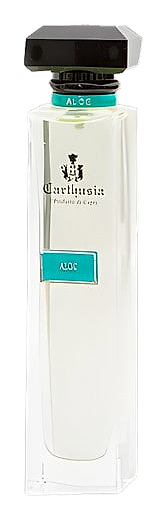
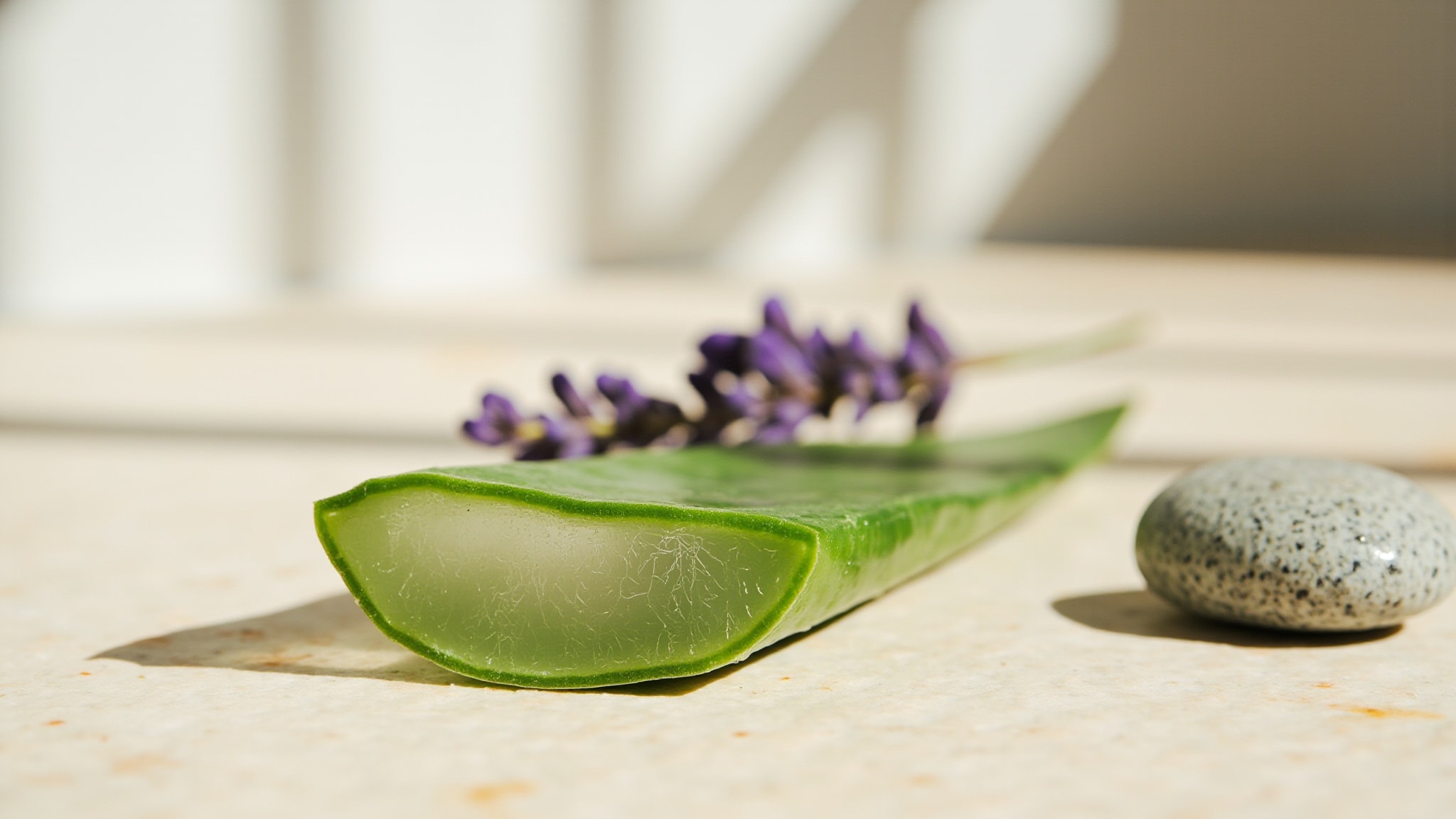
Acqua di Carthusia Aloe represents Carthusia's take on the fresh-green genre, bringing a Mediterranean sensibility to a category that often relies on mass-market aquatic conventions. The brief was simple: capture the island's aromatic herbs at their most alive. Not the citrus, not the orange blossom, but the green herbs that have been part of the local tradition for generations. The result is a fragrance that reads as green-fougère at its core, rooted in the herbal character that defines the regional approach to fragrance. Aloe vera leads as the named note, acting as the watery bridge between the herbal top and the powdery warmth that follows.
What makes this composition unusual is the way it uses the fougère structure in reverse. Traditionally, fougères open fresh and build toward woody, animalic depth. Here, the aloe and herbs carry the freshness, then the base of sandalwood and white amber does the quiet deepening. The powdery finish is earned, not tacked on. Artemisia in the heart adds a bitter-green edge that stops the jasmine from going sweet. Cardamom and elemi give the middle just enough warmth to bridge the dewy opening into the drydown without losing that herbal-green thread that runs through the entire wear.
The evolution
The first minutes are cool and dewy, aloe vera leading, supported by geranium's slightly rose-like green and lavender's familiar herbal calm. Jasmine arrives within the first few minutes, adding brief floral softness before the heart opens. That's when artemisia's bitter, almost medicinal green asserts itself alongside cardamom's clean spice and elemi's subtle citrus-resin warmth. The transition from green-fresh to warm-woody begins around the forty-minute mark as sandalwood and cedar start to show through. White amber and white musk round the base into something powdery-soft, but the wood keeps it grounded. As the hours pass the fragrance settles into a quiet register, still recognizably herbal, with the powder giving it a soft trail. This is a fragrance that doesn't announce itself loudly. It lingers where you were.
Cultural impact
Acqua di Carthusia Aloe occupies a quiet corner of the niche fragrance world, neither a statement scent nor a wallflower. It tends to appeal to people who have grown past generic fresh fragrances and want something with actual botanical character. The herbal-green angle gives it more personality than most fragrances in its category, offering a depth that goes beyond surface-level freshness. Carthusia's house style emphasizes intimate production and Capri-specific references, giving this a sense of place that mass-market fresh fragrances cannot replicate. The result is a fragrance that feels connected to something specific rather than generic.