The Story
Why it exists.
The beginning
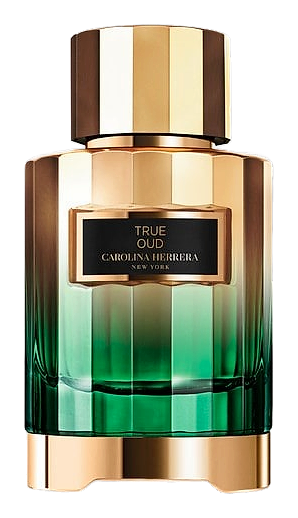
Perfumer Jordi Fernández had one constraint: make oud that doesn't perform. The Herrera Confidential line had already established a pattern of elevated, wear-anywhere compositions, True Oud needed to be different. Not louder. Truer. The brief was simple in words, complicated in execution: take one of perfumery's most revered and often polarizing materials and strip it of everything excessive. What remained would either convince or bore. There would be no middle ground.
The choice of Thai oud as the structural anchor wasn't accidental. It's one of the most sought-after varieties, dense, smoky, with a natural sweetness that can read as animalic or balsamic depending on the skin. Paired here with saffron's metallic warmth and a heart of Egyptian jasmine and myrrh, the oud loses its usual bluntness. It becomes something you notice when you're close to someone, not across the table. The base uses Akigalawood, a Givaudan proprietary wood, alongside Australian sandalwood, which together create a creamy, slightly resinous foundation that doesn't compete with the oud above it.
The evolution
First five minutes: saffron cuts sharp and metallic. The freesia adds a fleeting, almost powdery floral that keeps the opening from feeling too heavy. Fifteen minutes in, the osmanthus arrives, fruity, apricot-leathery, and the composition starts to feel deliberate. Over the next two hours, jasmine and myrrh take over. Neither is gentle here. The jasmine leans warm, almost balsamic. The myrrh anchors it with resin. By hour four, the oud is fully present, not aggressive, but insistent. It sits on skin rather than projecting from it. The drydown is where this fragrance earns its name: sandalwood, patchouli, and Akigalawood in a quiet, intimate conversation that holds for another four hours. Close to skin. Close to the person wearing it.
Cultural impact
Oud has been treasured for millennia across the Middle East, South Asia, and Southeast Asia, where agarwood trees infected with Phialophora parasitica produce the resin that becomes this precious material. In Arabian culture, burning oud chips during gatherings creates an atmosphere of honor and hospitality, transforming any space into an intimate setting for conversation and reflection. This deep-rooted tradition means that introducing oud into a modern Western fragrance signals something significant, a deliberate reference to heritage that resonates with both regional identity and global luxury aspiration.