The Story
Why it exists.
The beginning
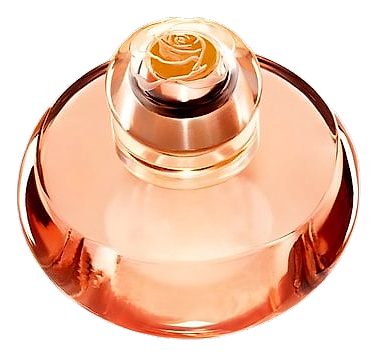
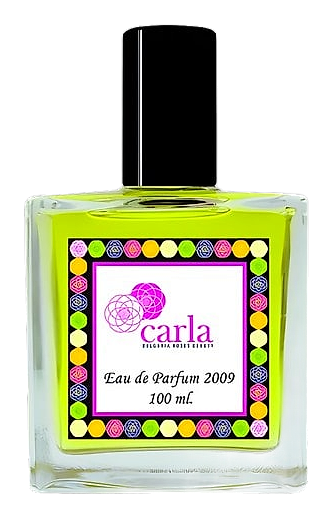
Carla arrived in 2009 after five years of building a Bulgarian rose-based cosmetics line. Founder Carla Royo-Villanova Urrestarazu had built the brand around rose oil from the valleys near Sofia, and the perfume came about because customers kept asking for one. Perfumer Ana Corsini composed it as a tribute, pulling inspiration from the founder's great-grandmother Coucha and her garden. Cakes baked by a cousin. The specific scent of childhood. The brand's name says it plainly: Carla, for the woman; Bulgaria Roses, for the raw material at the center of everything.
The interesting choice here is restraint. Rather than building a maximalist composition around rose, the scent lets the floral hold the center while everything else bends around it. Bergamot opens the door with a clean lift, violet and iris bring the powdered, slightly soapy quality that gives the fragrance its grandmother's-wardrobe associations, and tonka bean anchors the base with a soft sweetness that never overwhelms the florals. Oakmoss closes things out with a quiet earthiness that recalls old gardens and damp stone, a grounding counterweight to all that powder.
The evolution
The first thirty minutes are surprisingly green. Bergamot cuts through clean and sharp, almost citrus-forward for a rose-led composition. Then the florals arrive in a rush: violet opens dusty and sweet, rose unfurls underneath, iris powders everything like face-paint settling into skin. After two hours the composition shifts. The florals recede, and oakmoss takes over with a quiet earthiness that recalls damp stone and old gardens. Tonka bean surfaces in the final hours, warm and faintly caramelized, lending a soft sweetness to the drydown that rounds out the moss without smothering it. On fabric the next morning, you get the ghost of violet and moss, still readable, still distinctly rose.
Cultural impact
This is the kind of rose composition that wears its influences openly. The powdery violet, the classical iris, the moss-driven drydown, each element points toward an older tradition of floral perfumery rather than the sweeter, more confectionery roses crowding the modern market. It feels closer to vintage French florals than to contemporary gourmand hybrids, with all that powder and moss pulling it back toward a more romantic, slightly formal register. The kind of fragrance that appeals to someone who already knows they like rose and wants something that doesn't apologize for being romantic.