The Story
Why it exists.
The beginning
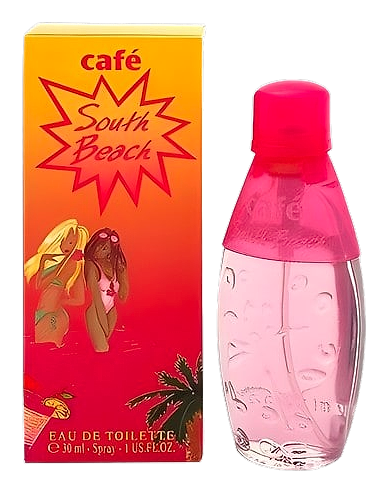
Michel Almairac created Cafe South Beach in 2007 as a departure from the brand's defining identity. Where Cafe Parfums had built decades of work around coffee's roasted, intimate depth, South Beach went somewhere entirely sunlit, a tropical resort composition that shared nothing with the house's core character except a French sensibility for restraint beneath the obvious sweetness. The name itself tells you what it is: Miami, beach culture, the particular brightness of coastal mornings. Almairac delivered that feeling with passion fruit and pineapple at the opening, citrus throughout, and a floral heart that softens the tropical sweetness into something wearable rather than overwhelming. It was a lateral move by a perfumer who understood that a house can stretch without breaking its own identity.
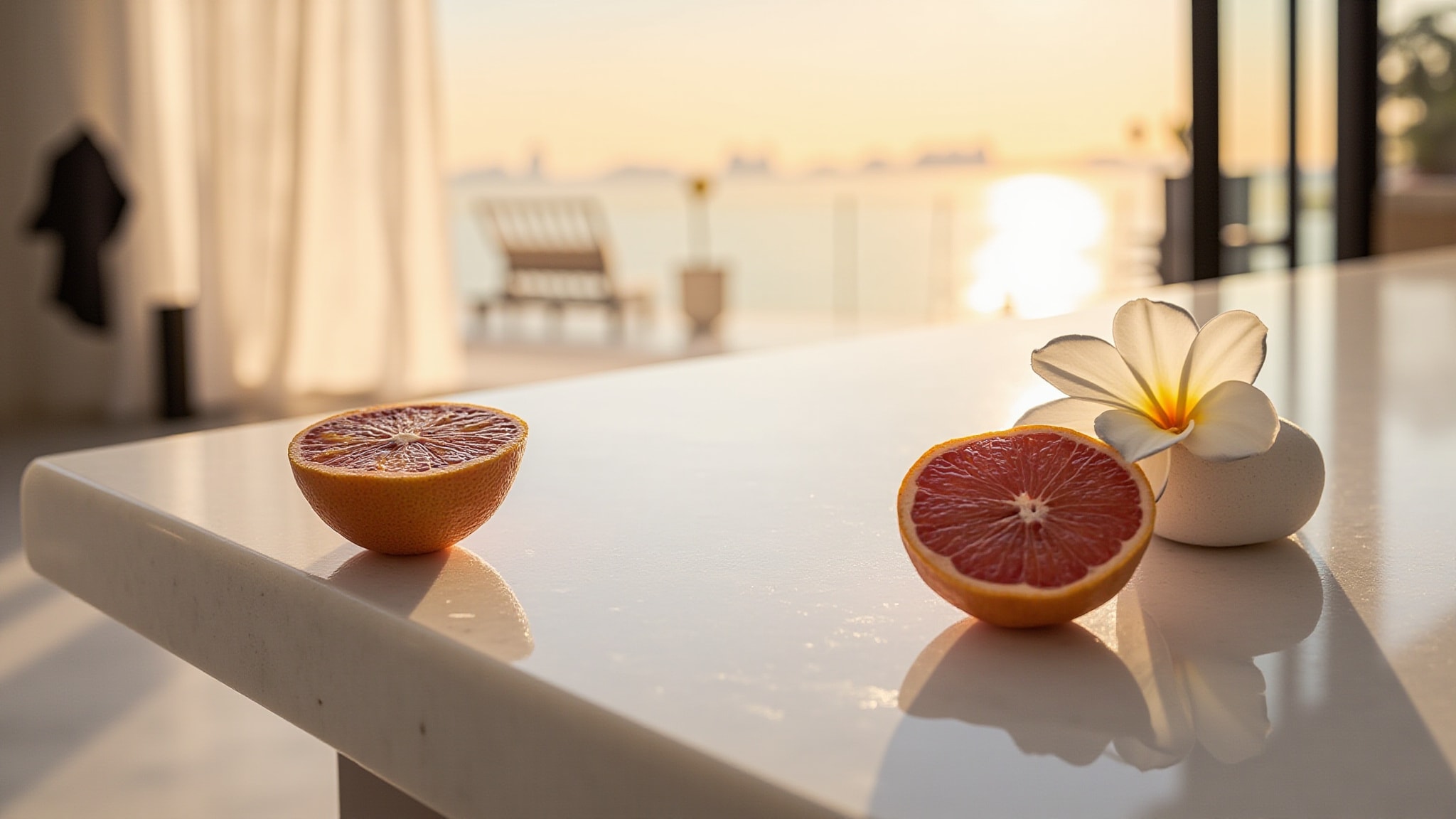
What makes South Beach interesting as a composition is the way it sustains tropical energy without the usual shortcuts. No coconut, no suntan oil accords, no obvious beach-cliché signifiers. The sweetness comes from the fruit itself, passion fruit's tartness cutting through pineapple's richness, orange and grapefruit providing the citrus lift that keeps everything from reading as synthetic or flat. The heart layer, with magnolia and peony, introduces a powdery quality that grounds the tropical notes and prevents them from taking over entirely.
The evolution
The first twenty minutes are aggressive. Citrus and tropical fruit at full volume, the kind of opening that makes some people reconsider immediately. That acidity, the grapefruit especially, cuts through everything, making the composition feel almost sharp before it settles. If you can tolerate the first hour, the florals arrive quietly. Magnolia first, creamy and slightly waxy, followed by peony's softer presence. Raspberry keeps a tart line through the sweetness. By hour three, the tropical fruit has mostly retreated, and what remains is the powdery warmth of the heart notes and the vanilla-sandalwood foundation. Six to eight hours later, there's still a trace, musk and sandalwood close to the skin, myrrh appearing occasionally as a faint resinous note that reads like salt on skin as the evening cools. The arc moves from explosive to intimate, and that contrast is probably why people either love it or find it too much at the start.
Cultural impact
Tropical fruity fragrances have long been associated with escapism and vacation fantasies in perfumery. Scents like Cafe South Beach tap into the collective memory of sun-drenched coastlines and tropical cocktails. The bright citrus and exotic fruit notes evoke carefree summer days, transport the wearer to faraway destinations, and became particularly popular during the resort and vacation-themed fragrance boom of the late 1990s and early 2000s. This style of fragrance captures the optimism of warm-weather living and tropical destinations, making it a staple for seasonal collections and resort lines worldwide.