The Story
Why it exists.
The beginning
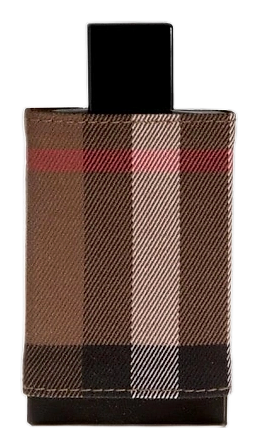
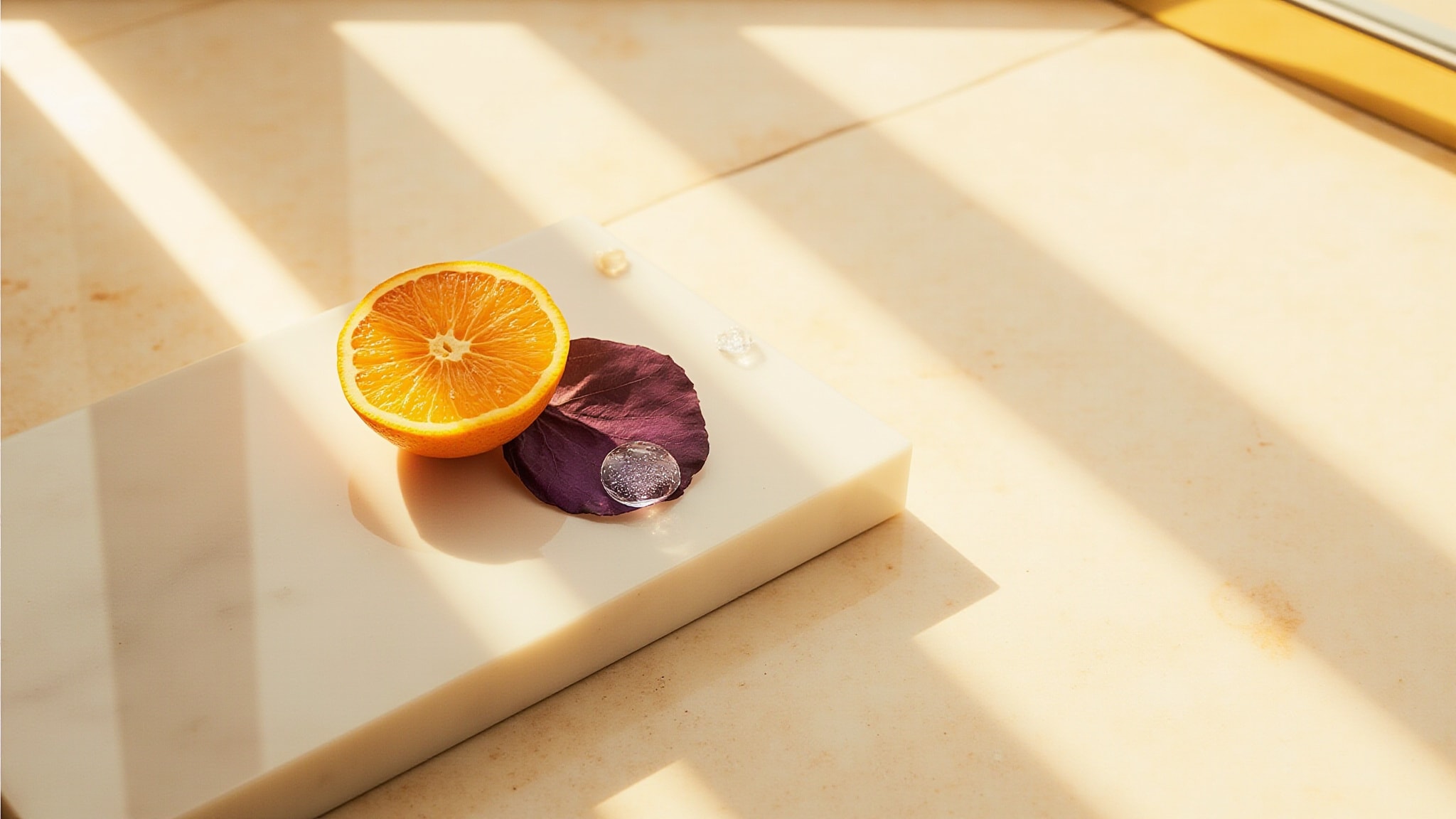
In 2000, Burberry released Touch for Men with a clear intention: crispness without aggression. Perfumer Jean-Pierre Béthouart built it around green violet leaf and mandarin orange, bright, almost dewy, then threaded the heart with nutmeg and white pepper for warmth that doesn't announce itself. The base of tonka bean, white musk, and vetiver keeps the whole thing close to the skin, intimate rather than projecting. It was a response to the oversized men's fragrances of the nineties, a quieter proposition for a new century.
What makes Touch unusual is its refusal to compete for attention. The ozonic-green-fresh axis it occupies could have gone generic, but the white pepper and nutmeg in the heart give it a spice that reads as warmth rather than heat. Violet leaf is the star, that dewy, slightly mineral green note, and the tonka bean in the base softens everything into skin proximity rather than room-filling presence. It's a composition that rewards proximity, not distance.
The evolution
The opening hits clean: mandarin orange brightens, violet leaf adds that mineral-dewy quality, and for the first twenty minutes the fragrance reads as ozonic and green. Then the heart takes over, nutmeg and white pepper arrive quietly, warming the initial freshness without replacing it. The cedarwood anchors everything mid-drydown, and by the final hour you're left with tonka bean and vetiver, a skin-close warmth that doesn't argue. On fabric, it lasts longer. On skin, count on six to eight hours before it settles into memory.
Cultural impact
Touch for Men won Fragrance of the Year, Men's Luxury at the Fragrance Foundation awards in 2001, the year after its launch. It's the fragrance a certain kind of man reaches for when he wants to smell considered without trying: clean, warm, and close to the skin. Not loud. Not invisible. Just right.