The Story
Why it exists.
The beginning
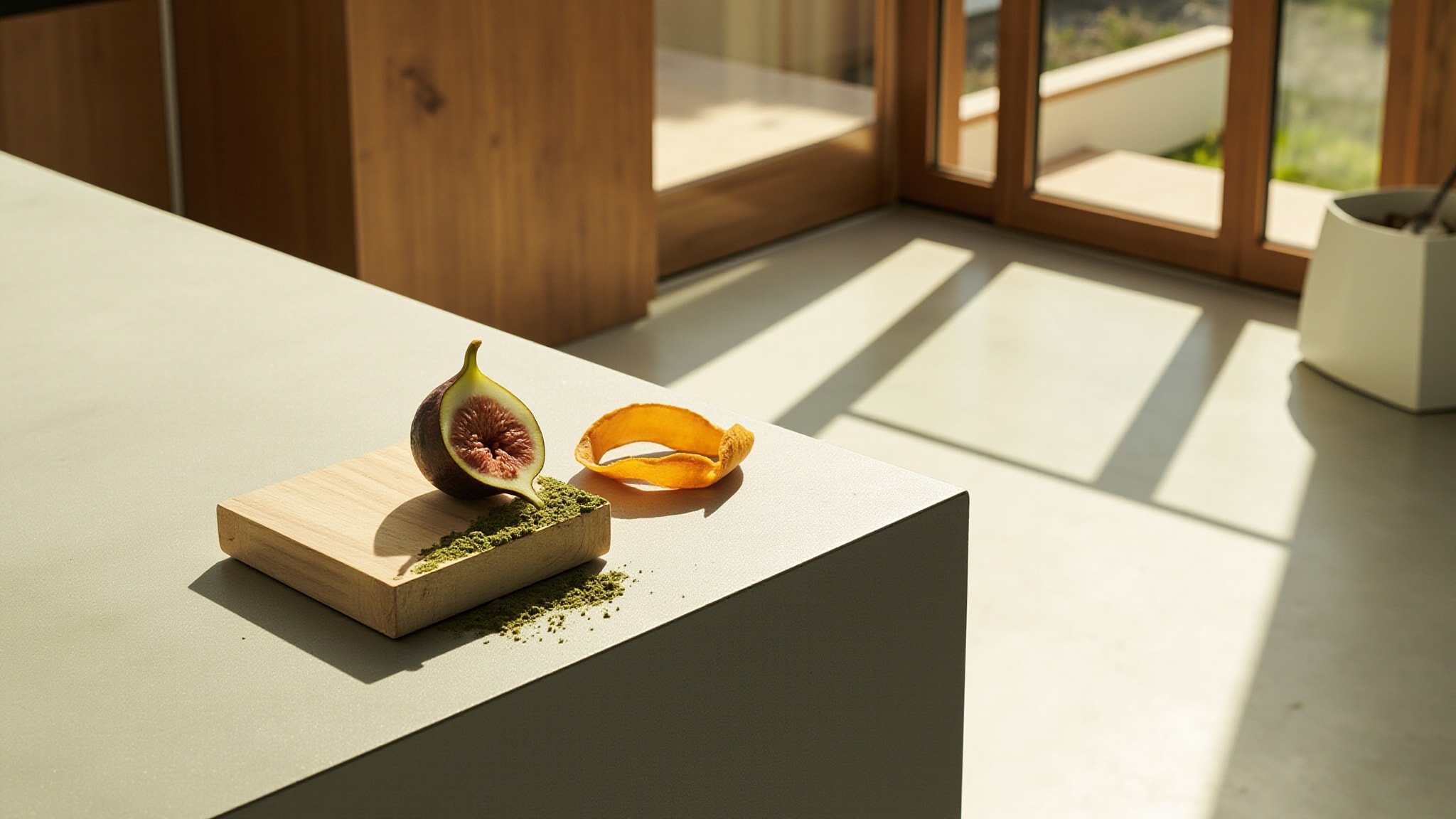
26 by Bujairami is a 2026 release with a unisex woody aromatic profile. Adam Bujairami is the nose behind this fragrance, and the composition reads as deliberate from the start. Its five-note lineup, featuring fig, cedar, matcha tea, bitter orange, and vetiver, feels intentional in its brevity. Each ingredient earns its place. The fig runs through the entire structure like a quiet spine, giving the scent a milky, faintly sweet undertone that softens everything it touches. Bitter orange opens the construction with clean, sharp citrus that feels cut rather than squeezed. Matcha adds a vegetal, almost powdered dryness that sits between herbal and earthy, pulling the citrus toward something grounded and considered.
The matcha note is where 26 stakes its claim. It's an unusual choice in mainstream fragrance, and here it functions as a bridge between bitter orange's citrus sharpness and the deeper green-tobacco character vetiver brings. The matcha doesn't announce itself with obvious tea leaf character; instead, it adds a dry, vegetal undertone that tempers the citrus and gives the green elements a more grounded quality. Fig does subtle work throughout, softening the green bite with its milky sweetness and feeding the cedar a gentle warmth that makes the wood feel lived-in rather than freshly cut.
The evolution
Bitter orange hits first, sharp and clean, almost sour at its edges. It opens the composition with citrus that doesn't sparkle so much as slice, angular and precise. The matcha arrives immediately underneath, dry and vegetal, pulling the citrus toward something herbal and grounded. As the opening settles, fig starts surfacing, soft and faintly sweet, with a quality like fruit left in a warm room. The matcha recedes into texture rather than scent, becoming more of a tactile sensation than an obvious note. Cedar begins to take shape, dry and structural, showing up as the backbone that holds the composition together. Vetiver grounds the base, adding an earthy, almost-smoked dimension that keeps the sweetness in check. As the fragrance wears, the citrus fades into memory, replaced by fig and cedar as the dominant voices.
Cultural impact
26 arrives at a moment when woody aromatic compositions are exploring greener, more vegetal territory. Its appeal lands with wearers who want clarity and precision rather than sweetness or smoke. The fragrance contributes to an ongoing conversation about how to use unconventional ingredients like matcha in mainstream-friendly constructions. By letting fig moderate the green and citrus elements, the composition achieves a balance that feels accessible without being generic. The scent speaks to anyone interested in how tea notes can function beyond obvious Japanese-inspired or avant-garde contexts.