The Story
Why it exists.
The beginning
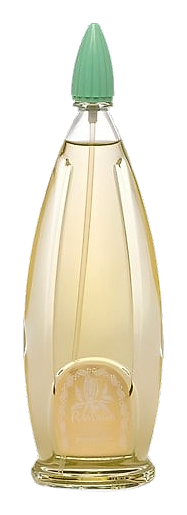
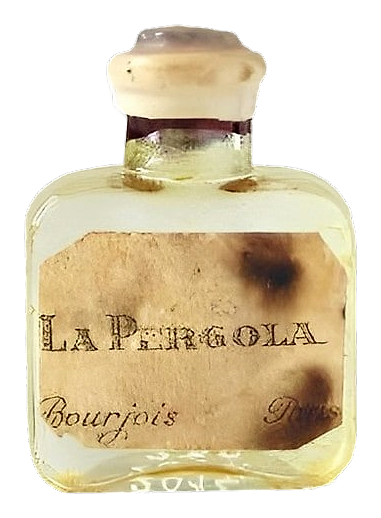
La Pergola arrived in 1920. The name itself does most of the talking. A pergola is a garden structure, the kind that frames a walkway or shelters a terrace, and La Pergola borrows that image directly, evoking a shaded corner of climbing vines and open air. There's no grand manifesto attached to its release, no credited perfumer in the historical record, no launch-week scandal that anyone bothered to write down. What survives is the barest skeleton: a floral accord, a year, a house. La Pergola belongs to the early 1920s, a period when perfume was undergoing a shift in how it was composed, sold, and worn. The fragrance sits at that threshold, quiet and unshowy, content to let the name carry the mood.
What's worth knowing about La Pergola is what the sources don't tell us, which is almost everything. No specific notes have survived the century except the broad category: floral. That's typical of fragrances this old. The accord label and the year are usually all that remain. Modern readers expect a pyramid, a breakdown of top, heart, and base notes arranged in clean tiers. A century ago, no such convention existed. Fragrance was sold on mood and name, on the promise of a garden or an evening or a season, not on a chemistry-style ingredient list.
The evolution
On skin, La Pergola wears the way a floral fragrance from 1920 was built to wear. The opening is gentle and close, a soft diffusion that sits rather than announces. There is a leafy coolness at the very first moment, a brightness that reads as crushed stem and petal moisture rather than any named citrus or aldehyde. Within the first twenty minutes, the composition settles into a fuller floral heart, rounded out by what feels like a bouquet of related white petals rather than a single dominant bloom. The overall impression is one of softness. This is a scent designed to be discovered, not announced. As the hours pass, the florals warm and mellow, taking on a creamy, slightly powdery texture that suggests iris root or violet leaf without committing to either. The drydown is quiet and persistent, a faint trail that clings to fabric long after skin has gone quiet.
Cultural impact
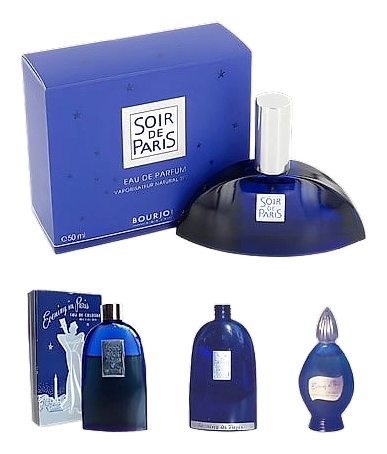
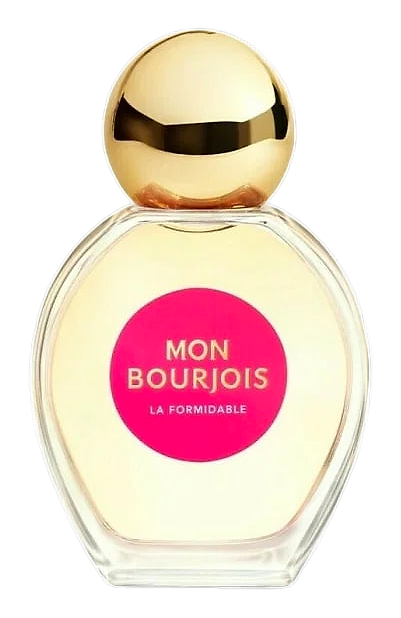
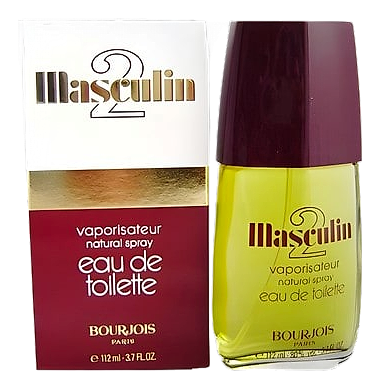
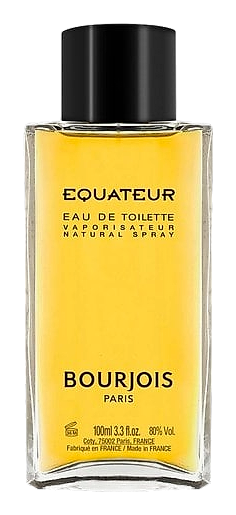
La Pergola predates Bourjois's more famous launch Soir de Paris (1928). It sits early in the brand's documented fragrance output, a quiet first chapter among the few that survive in the archive. For anyone interested in early twentieth-century French perfumery, that's the draw: a piece of early Bourjois that most people have never encountered, even within the fragrance community. Production appears to have been discontinued, which adds to its archival appeal. Wearing something this old, this forgotten, this absent from every modern counter, carries its own particular pleasure.