The Story
Why it exists.
The beginning
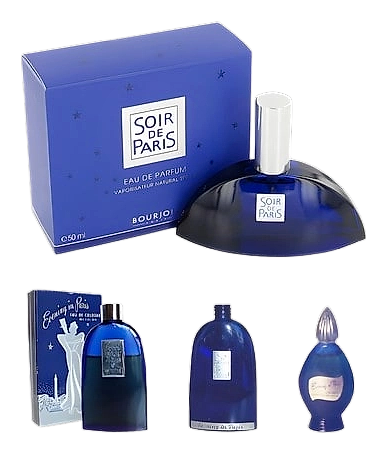
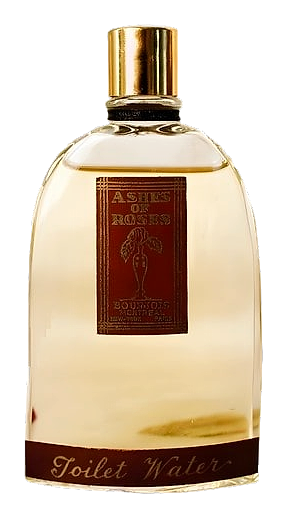
Bourjois built its identity in 1863 as a Parisian theater cosmetics house, long before it became known for affordable French pharmacy beauty counters. By the early 20th century, the brand was experimenting with single-note soliflores, partly to bring fine perfumery to a wider audience and partly to compete with the heavier orientals flooding European apothecary shelves. Ashes of Roses entered the Bourjois catalog during a period when tea rose, with its almost-green, slightly metallic facet, was being rediscovered by perfumers tired of the syrupy Bulgarian rose style. Whatever the brand's broader ambitions, Ashes of Roses itself is a simple, rose-led composition that treats the tea rose, listed as a base note alongside Bulgarian Rose, as its quiet center of gravity.
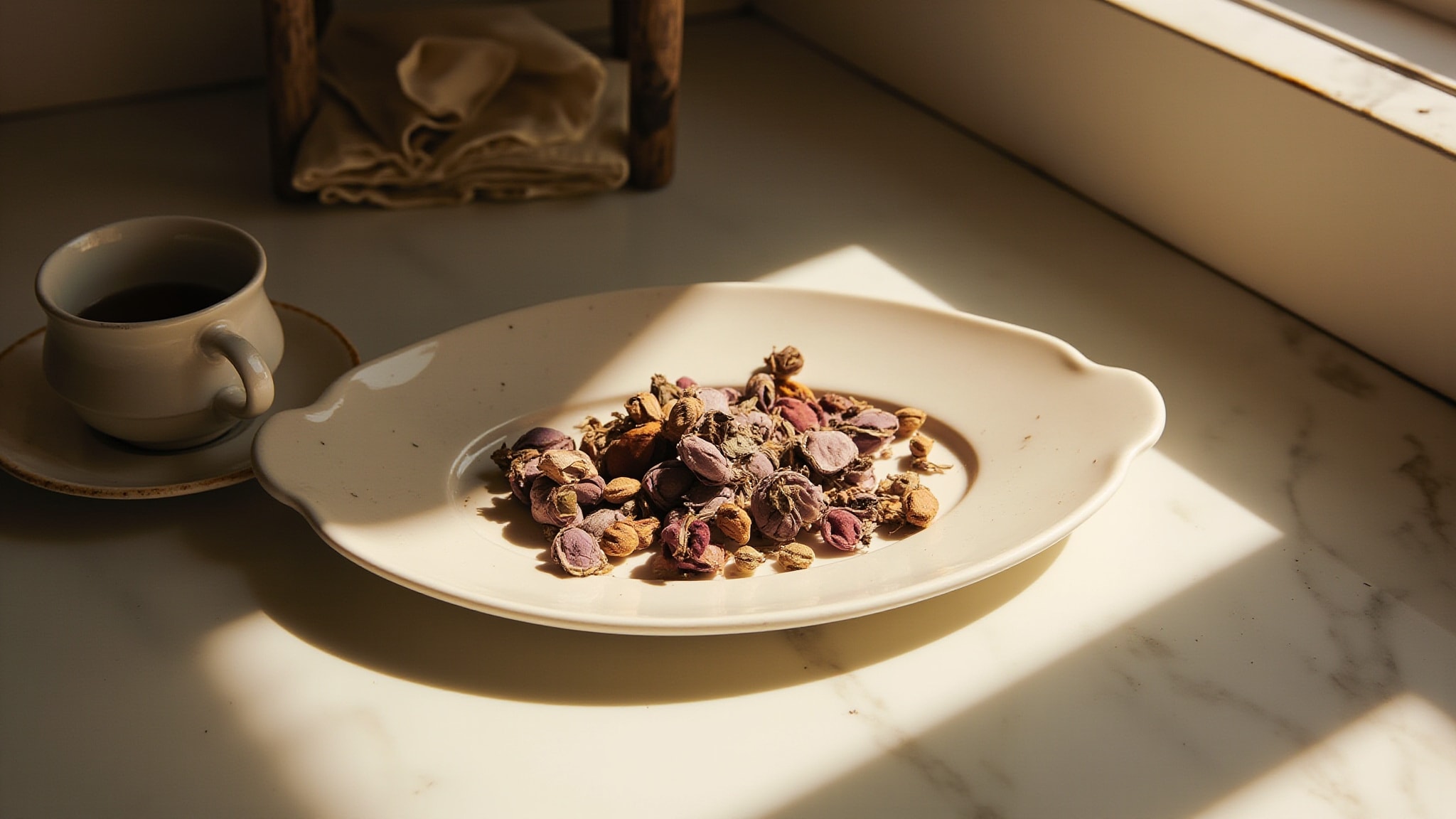
The name Ashes of Roses references a 19th-century practice of drying rose petals over low heat, then crushing them into a soft grey-pink powder used for sachets and potpourri. Bourjois leaned into that dusty, slightly smoky undertone, layering a restrained aldehyde veil over the rose so the opening reads more like cold tea than fresh-cut stems. The original launch targeted women who wanted a daytime floral with a literary, almost Romantic air, and the formula was kept deliberately simple to showcase the tea rose without competing accents muddying the picture.
The evolution
Over its decades on the market, Ashes of Roses has cycled through several reformulations as IFRA restrictions tightened the use of certain rose ketones and natural absolutes. Early 1990s bottles reportedly carried a denser, more indolic rose heart, while post-2005 versions trend cleaner and more transparent, with a shorter drydown around 4 hours. The juice color has shifted from a deep rose-gold to a paler tea-stain amber, mirroring the brand's move toward lighter, office-friendly profiles. Despite these tweaks, the core concept has remained intact: a 100% rose-centered, mostly linear composition that prizes subtlety over performance. Recent batches have nudged the opening toward a fresher, more lemony aldehyde sparkle, which some longtime fans appreciate and others miss from earlier releases.
Cultural impact
Ashes of Roses arrived at a moment when European perfumery was split between blockbuster orientals and a quieter French tradition of soliflores. Bourjois positioned this tea-rose composition as an everyday alternative to heavier evening florals, and it found a loyal audience among office workers, librarians, and anyone who wanted a polite signature scent under $40. The fragrance has been quietly cited in vintage French beauty manuals from the 1980s as a teaching example of how to build a successful soliflore. In online fragrance communities it has earned a reputation as a gateway rose for younger wearers who find Chanel No.